The worst-selling firearms that still maintain loyal followings
Gun owners talk a lot about best-sellers, but some of the most interesting stories sit at the other end of the sales chart. A handful of pistols, shotguns, and oddball imports sell slowly, lose value, or get labeled “worthless,” yet they still inspire loyal fan bases who defend them in forums, videos, and range reports. This piece looks at those misfit firearms, and at the people who keep buying and shooting them long after the market has moved on.
Across YouTube channels, Reddit threads, and Q&A boards, the same pattern shows up again and again: guns that many buyers avoid become passion projects for a smaller crowd. These owners trade tips on fixes, celebrate quirks, and sometimes lean into the stigma that keeps prices low. Their stories reveal as much about gun culture as the guns themselves.
The strange appeal of “worthless” guns

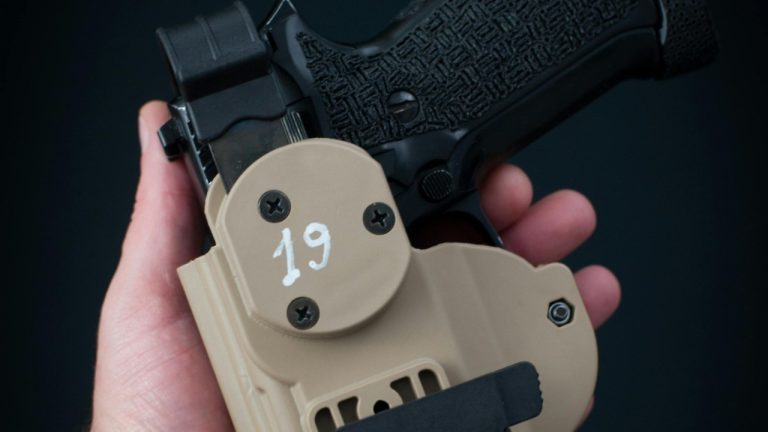
When commentators talk about guns that “no one buys,” they are usually pointing at models that have crashed in value or never caught on in stores. Some videos walk through examples of handguns and carbines that have such a bad reputation that sellers warn viewers about a resale hit of “50 to 60% appreciation,” a phrase used to describe how far some models fall from their original price. In one breakdown, the host singles out “Many Scorpions” and other niche imports as cautionary tales, arguing that stigma can matter more than the actual shooting experience.
The same video, linked through a preview at this clip and again on the full version at this rundown, treats resale value as a warning label. Yet in comment sections, owners of those same “worthless” guns push back, sharing photos of tight groups and trouble-free range days. The gap between the charts and the comments is where loyal followings grow, because some shooters care more about how a gun feels and runs than about what it will fetch at a pawn shop.
Why some buyers chase unpopular models
On community sites, a different logic often shows up. In one Reddit thread, users trying to build a collection near a set budget openly recommend “bad” brands or oddball surplus guns because the discounts are so steep. They accept that some models are hard to resell or carry baggage, but see that as an opportunity to own more guns for the same money. The stigma becomes a bargaining chip, not a deal breaker.
Question-and-answer sites show a similar pattern. On one Quora page, contributors list gun brands they think should be avoided, often citing poor quality control or weak customer support. Even there, other users jump in to defend specific pistols or rifles from those same brands, arguing that a careful buyer can find reliable examples. For these loyalists, the challenge of making a flawed gun run well is part of the appeal.
Budget pistols with big problems and loyal fans
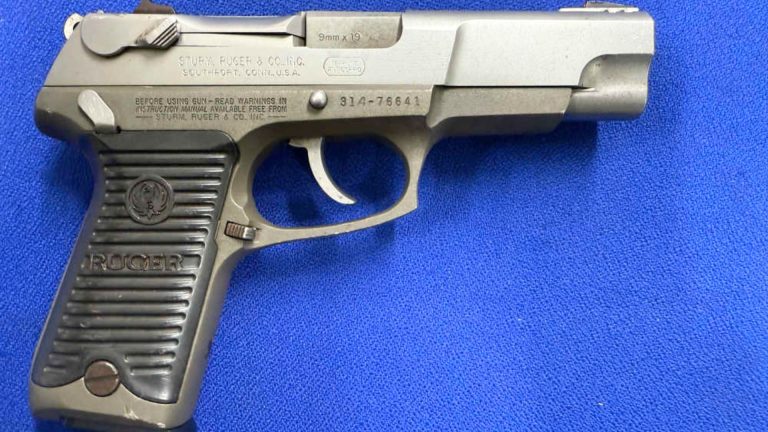
Low priced carry pistols are a common target in “worst gun” roundups. One video that appears in preview form at this link and in full at this review singles out the CPX series, arguing that “inconsistent followers create stove pipes and failures to feed that haunt a lot of CPX” pistols. Range tests in that video show stoppages that would scare off many buyers, especially those looking for a first defensive handgun.
CPX owners, however, show up in comments and on forums to say their pistols run well after a break in period or a trip back to the factory. Some describe polishing feed ramps, swapping magazines, or changing ammunition brands to avoid the failures to feed and stove pipes shown in the video. For these shooters, the low entry price offsets the extra work, and the CPX becomes a personal project rather than a simple off the shelf tool.
Double barrel shotguns that barely move in stores
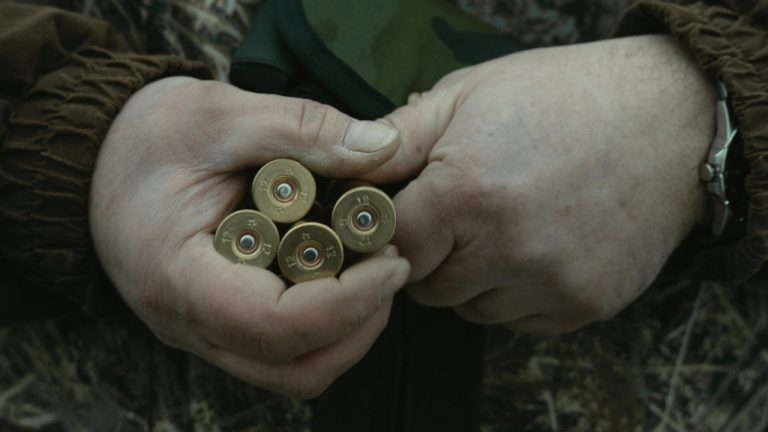
Shotgun sales data often show that classic double barrel designs make up a small slice of the market. One video, previewed at this image link and again at this breakdown, notes that double barrel shotguns “still make up a tiny segment of shotgun sales overall.” Modern pump and semi automatic models dominate hunting fields and clay ranges, leaving many side by side and over under guns sitting on racks for months.
Despite that, a small but vocal group of shooters loves these slow selling doubles. They praise the simple manual of arms, the balance, and the way a two shot limit forces careful marksmanship. Some even hunt down short, exposed hammer “coach” style guns that look like they rolled off a stagecoach, even though they are far from practical compared with a modern pump. For these buyers, history and feel matter more than sales charts.
Coach guns and the pull of Old West nostalgia
Short double barrel “coach” shotguns are a textbook example of a niche firearm with a loyal following. A feature at What Are Coach explains that these were traditionally double barreled shotguns with short barrels, carried to guard stagecoaches from bandits in the Wild West. Today, modern coach guns echo that profile, with short barrels and simple break open actions that trade capacity and features for compact size and quick handling.
They are not big sellers in a market crowded with tactical shotguns and gas operated semi autos, but they inspire a specific kind of loyalty. Cowboy action shooters use them to match period rules, home defenders like the simple manual of arms, and collectors enjoy the direct line back to 19th century hardware. Even if coach guns sit on shelves longer than polymer pumps, the buyers who seek them out tend to be very sure of what they want.
When online lists declare guns “worthless”
Several popular videos and list style breakdowns go further than calling some guns slow sellers, they call them “worthless.” The clip previewed at this preview and expanded at this longer video argues that the market stigma around certain pistols and pistol caliber carbines is “too severe,” and warns viewers that some models can suffer a “50 to 60% appreciation” hit compared with their original sticker price. The host uses “Many Scorpions” and similar niche imports as examples of guns that may shoot fine but still sink on the used market.
Once those labels stick, they spread quickly through comment sections and forum posts. Owners who like their guns push back, but the “worthless” tag often lingers in search results and resale listings. In practice, that can create a two tier world where casual buyers stay away, while a smaller group of enthusiasts quietly scoops up underpriced examples and treats them as hidden gems.
CZ 75 and how reputation shapes loyalty
The contrast between unpopular guns and cult favorites stands out when I look at brands like CZ. A profile of CZ handguns at this CZ overview notes that the CZ 75 pistol is “favored by many” because of its ergonomic grip and strong accuracy. The same page describes “Another” compact model that is popular with concealed carriers for its versatility and size, showing how a positive reputation can keep certain designs in steady demand for decades.
That kind of long term trust is the opposite of what happens to the guns that end up on “worst” lists. Owners of slow selling pistols and shotguns often want their guns to be seen the way CZ 75 fans see theirs, as proven designs with loyal communities. When that does not happen, the loyalty still forms, but it stays smaller and more defensive, built in comment threads and range day videos rather than in sales numbers.
How YouTube and forums keep weak sellers alive
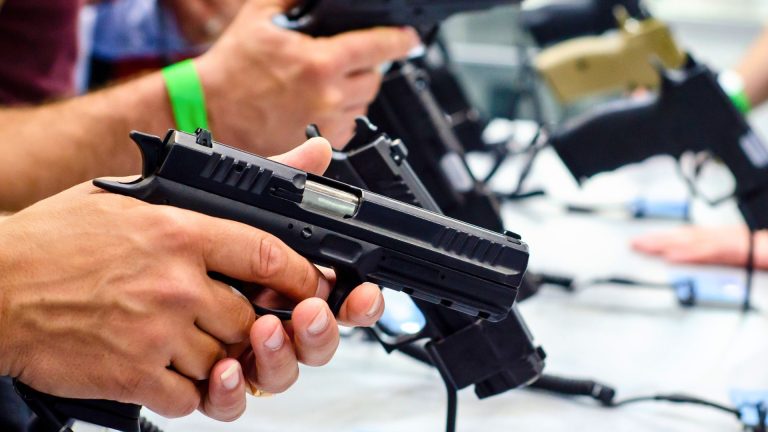
Video platforms have become a key meeting place for fans of unpopular guns. One series, previewed at this image, walks through “17 worst guns that no one buys” and still draws comments from owners who share their own fixes and positive experiences. Another breakdown, linked in preview form at this teaser, adds more models to the “no one buys” pile, yet still sparks debate from people who like those exact guns.
Other creators focus on specific niches, such as the short double barrel “coach” style shotguns highlighted in a video preview at this link. Even when these guns are described as poor sellers, the videos give owners a place to swap tips on ammunition, parts, and modifications. That shared knowledge can make living with a flawed or unsupported firearm much easier, which in turn keeps those guns in circulation.
Why loyalty outlasts sales charts
Across these sources, a pattern emerges. Guns end up on “worst” or “worthless” lists for many reasons, from real reliability problems to simple market shifts that leave older designs behind. Yet loyal followings form when a smaller group of shooters finds something they value, whether it is a low price, a nostalgic design, or the satisfaction of making a troubled gun run well. Those owners then use forums, Q&A sites, and videos to push back against the idea that their firearms have no value.
In that sense, the worst selling firearms with loyal fans say as much about people as about products. A CPX owner who tunes magazines, a coach gun fan who loves Old West history, or a buyer who snaps up “Many Scorpions” despite warnings about “50 to 60% appreciation” losses all share the same instinct. They are willing to trade mainstream approval for personal satisfaction, and they keep their chosen guns alive long after the sales numbers have moved on.

Leo’s been tracking game and tuning gear since he could stand upright. He’s sharp, driven, and knows how to keep things running when conditions turn.