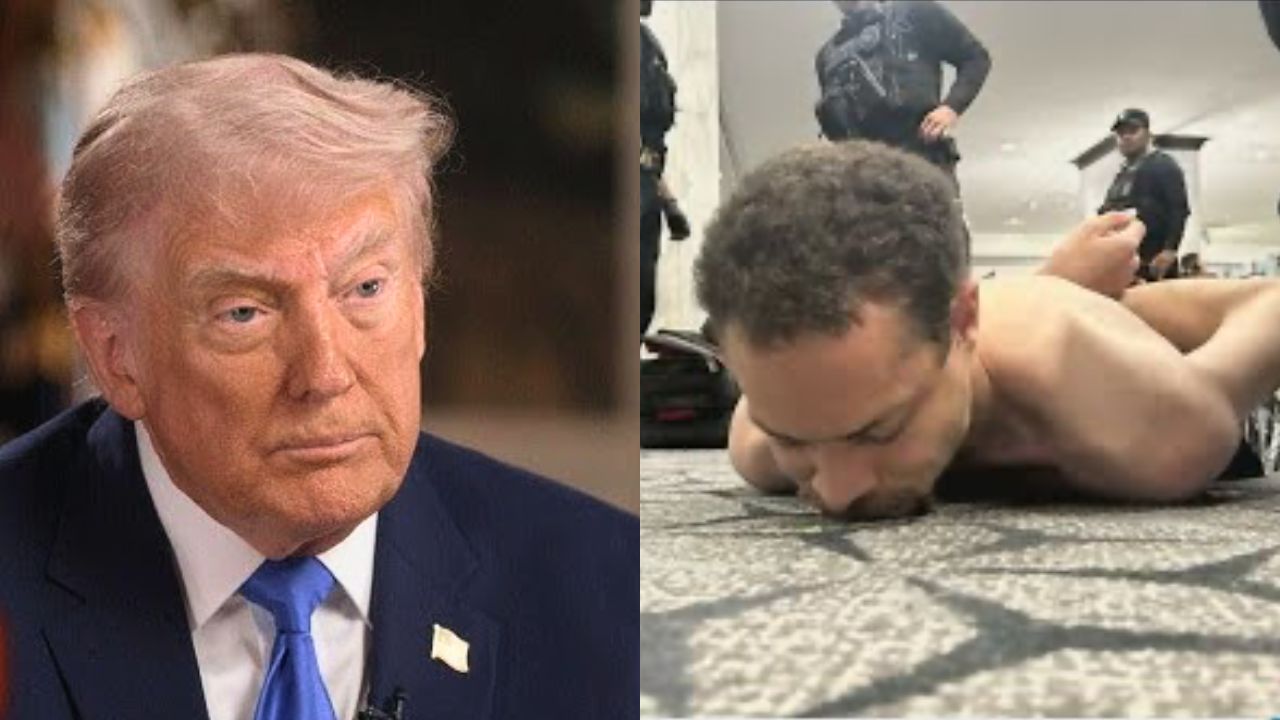
Secret Service Agent Who Shielded Reagan Praises Security Response in Protecting Trump From Assassination Attempt
A former Secret Service agent who was involved in protecting President Ronald Reagan during the 1981 assassination attempt has praised the response of agents who recently protected Donald Trump during an attempted attack. The comparison has drawn attention because it links two of the most well-known presidential security incidents in modern U.S. history.
The agent, Tim McCarthy, who was shot while helping shield Reagan, said the recent response reflected the kind of training Secret Service personnel are expected to follow under extreme pressure. His comments focused on how quickly agents moved to protect the president and control the situation once the threat emerged.
Reagan-era experience shaping perspective

McCarthy’s perspective carries weight because of his direct experience in one of the most famous assassination attempts in U.S. history. During the 1981 attack on Ronald Reagan, agents acted quickly to physically shield the president, an event often referenced in Secret Service training and evaluations.
Drawing on that background, he noted that in fast-moving attacks, agents rarely have the advantage of reacting first. Instead, their role is to immediately absorb risk and move the protectee out of danger. That comparison shaped his view of the more recent response involving Trump.
Assessment of the Secret Service response
McCarthy and other former agents have generally pointed out that in high-pressure situations, even small delays or split-second decisions can determine outcomes. In his view, the response he observed in the Trump incident aligned with established protective procedures.
He emphasized that no security system is perfect, especially in public settings where threats can develop quickly and unpredictably. The focus, he suggested, should be on how quickly agents identify danger, close distance to the protectee, and remove them from exposure.
Broader scrutiny of security failures and improvements
Recent attempts on political figures have increased scrutiny of Secret Service planning and coordination. Law enforcement officials and former agents have pointed out that security operations often involve multiple agencies, locations, and layers of communication that must function together under pressure.
In earlier investigations into attempted attacks, internal reviews have highlighted gaps in coordination, communication, and site preparation. These reviews typically lead to procedural updates, including adjustments to advance planning and physical security setups for public events.
Continued debate over public event security
High-profile incidents have also revived debate over how much protection is realistically possible in open or semi-public venues. Former agents often stress that while security can be strengthened, it can never fully eliminate risk in a free society where public appearances are expected.
That tension has become more visible in recent years as political events continue to draw large crowds and increased attention. The balance between accessibility and security remains one of the most difficult challenges for protective services.
What the discussion reflects overall
Comments from former agents like McCarthy tend to highlight both confidence in training and recognition of limitations. His praise of the response reflects a view that agents performed as expected under pressure, even in a highly volatile situation.
At the same time, the broader conversation around these incidents shows ongoing concern about political violence and the strain it places on security systems. Each new event tends to reopen questions about preparedness, response time, and how protection can be improved going forward.

Leo’s been tracking game and tuning gear since he could stand upright. He’s sharp, driven, and knows how to keep things running when conditions turn.