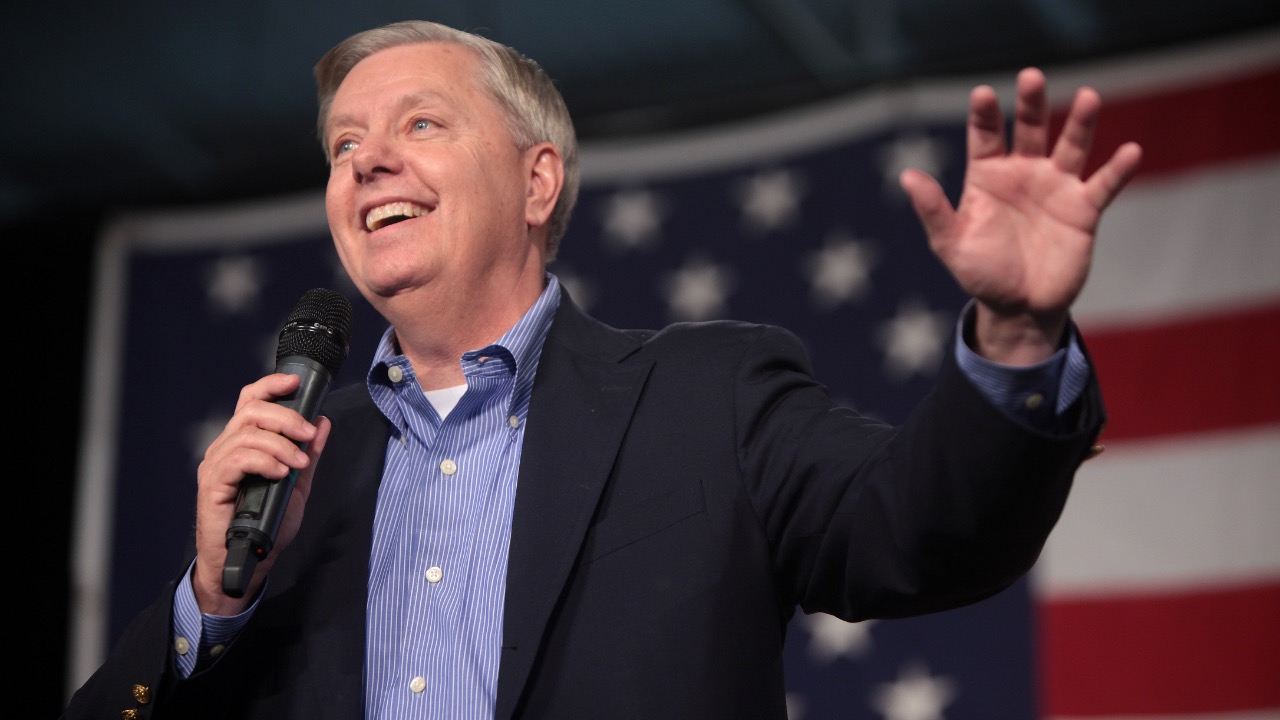
Senator Lindsey Graham calls for Americans to prepare for a Middle East conflict
Senator Lindsey Graham has spent the past several days urging Americans to brace for a far wider confrontation in the Middle East, framing conflict with Iran as both inevitable and necessary. His language about sending U.S. troops, rallying Arab partners and even profiting from regime change has sparked a fierce argument inside his own party and raised basic questions about what “preparing” for war should mean for the country.
At the center of the storm is a veteran lawmaker who has long aligned himself with aggressive U.S. military action abroad, now pressing for a coalition effort against Iran while telling voters that South Carolina and the rest of America must be ready to send their sons and daughters into a new Middle East war.
Who Lindsey Graham is and why his words carry weight
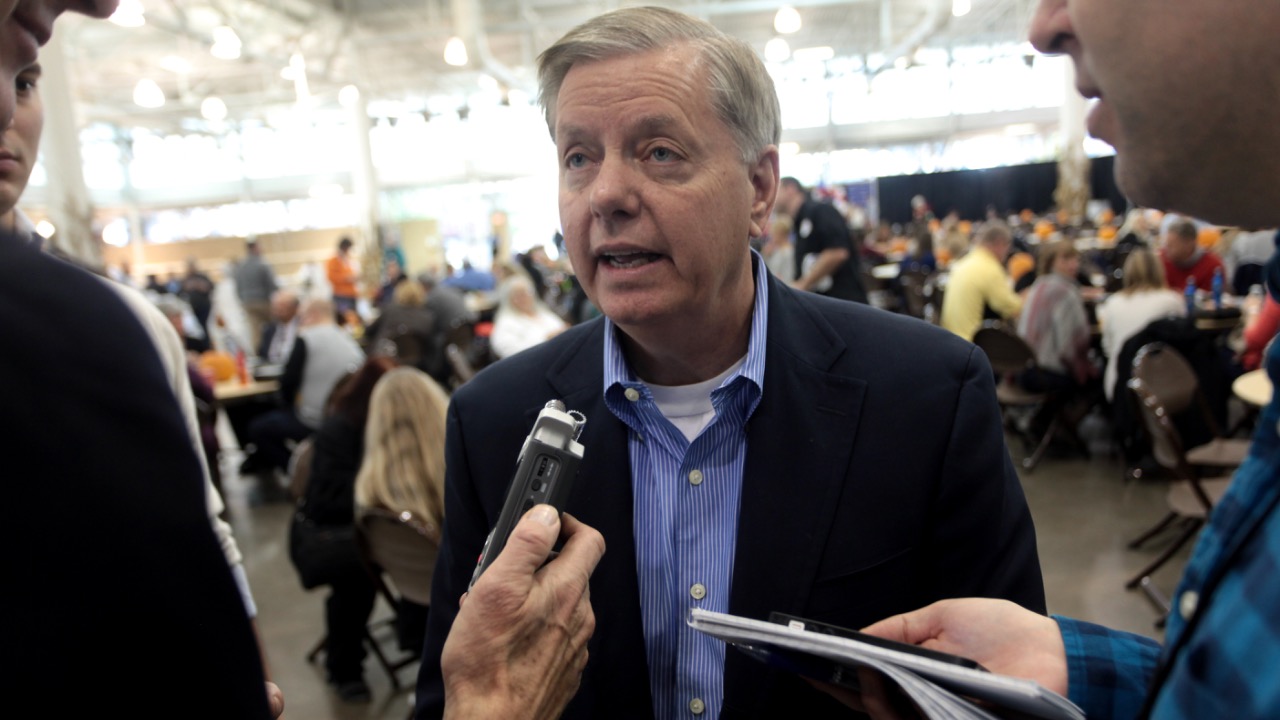
For more than two decades, Lindsey Graham has been one of the most recognizable foreign policy hawks in Washington, a role that gives his recent warnings about a Middle East conflict particular resonance. As a long serving senator and prominent Republican voice on national security, he has built a reputation as a staunch advocate of U.S. military power and a frequent presence on cable news.
Because of that public profile, when Lindsey Graham calls for Americans to prepare for conflict, the message is heard not only by his South Carolina constituents but also by party activists, foreign governments and the White House. He is widely identified as The South Carolina Republican in coverage of his recent comments, a reminder that his interventions are read as signals of where a key faction of the party stands on war and peace.
Graham’s long record of supporting U.S. interventions abroad, from Afghanistan to Iraq, shapes how allies and critics interpret his latest statements on Iran and the wider Middle East. To supporters, he is a clear eyed voice warning about threats from Tehran and its partners. To opponents, he is a symbol of a foreign policy establishment too quick to reach for military solutions.
The media blitz that ignited a war debate
Graham’s call for Americans to steel themselves for a Middle East conflict has not come in a single speech, but in a rapid series of television appearances and social media posts that have dominated political conversation. Reports describe The South Carolina Republican embarking on a major media blitz, using interviews and clips to argue that Iran must face far more aggressive action.
In one widely cited appearance, he pressed for direct and forceful measures against Iran, casting the confrontation as a test of U.S. resolve. Coverage of that interview notes that his push for a tougher line has drawn immediate backlash from anti interventionists inside the MAGA wing of the party, who see his approach as a path to another large scale war. Those critics have seized on his willingness to talk openly about sending American troops, accusing him of being out of step with voters who are weary of overseas deployments.
His media push has also framed the conflict as a choice between decisive action now and greater danger later. Graham has argued that Iran’s behavior leaves little room for half measures, and that the United States must be prepared to escalate alongside partners if Tehran continues to challenge U.S. forces and allies. That framing sets up a stark debate: whether preparing for war is a responsible act of deterrence or a self fulfilling prophecy that makes large scale conflict more likely.
“We are going to make a tonne of money” and the regime change argument
Among Graham’s recent remarks, none has generated more shock than his suggestion that a war with Iran could be financially beneficial. In an interview highlighted by regional and international media, Senator Graham, described as a veteran GOP senator, appeared to link the prospect of a U.S. war on Iran with economic gains for the United States.
According to one account of his comments on Fox News, he said that “we are going to make a tonne of money” in the context of discussing the potential fall of the Iranian regime. That line, presented as part of a broader argument for confronting Iran, has been interpreted by critics as treating war as a profit opportunity rather than a last resort. The same coverage notes that the remark came as he advocated a U.S. war on Iran, reinforcing his image as one of the GOP’s most outspoken hawks on Tehran.
Separate social media clips amplified by international broadcasters show Senator Lindsey Graham tying regime change in Iran directly to a promised transformation of the region. In one video, he is quoted as saying that “When this regime goes down, we are going to have a new Middle East, we are going to make a ton of money.” That phrasing combines a strategic claim about reshaping the Middle East with a blunt reference to economic gain, and it has fueled accusations that he views conflict through a transactional lens.
Supporters of Graham’s position argue that he is describing the long term economic benefits that could flow from a more stable and Western aligned Middle East after the fall of the current Iranian leadership. They point to his consistent view that Iran’s regime is the main driver of regional instability and that its removal would unlock trade and investment. Opponents counter that speaking in terms of “making a tonne of money” trivializes the human costs of war and reinforces perceptions that regime change campaigns are driven by profit motives rather than security needs.
Calls to “unleash” U.S. power and finish the fight
Graham’s warnings about a looming conflict are paired with explicit calls for the United States to use overwhelming force in partnership with Israel. In one video clip, he urges the President to “unleash the American military with Israel on Hezbollah tonight” and to “Finish these bastards off.” In that same segment, he describes Hezbollah as a threat that must be dealt with decisively, linking the group to the broader confrontation with Iran.
The language is characteristic of Graham’s long standing approach to militant organizations tied to Tehran. He has repeatedly argued that groups like Hezbollah should be treated as extensions of Iranian power, and that striking them hard is essential to deterring Iran itself. By calling on the President to unleash American power alongside Israel, he is pushing for a more integrated U.S. Israeli campaign that treats the various fronts of the conflict as part of a single war effort.
Earlier coverage of his comments on U.S. Israeli strikes on Iran shows him reacting to what was described as a rapidly developing and historic moment, with senators and representatives weighing in throughout a tense weekend. In that context, Sen. Lindsey Graham framed the strikes as an opportunity to reset deterrence and to send a message that Iranian aggression would carry severe consequences.
For Graham, preparing Americans for conflict means accepting that U.S. forces may be drawn into direct clashes not only with Iran but also with its allied militias and partners across the region. His critics warn that such an approach risks spiraling escalation, particularly if Hezbollah and other groups respond to U.S. Israeli operations with attacks on American personnel or infrastructure.
Asking South Carolina to send its sons and daughters
Graham’s rhetoric has been most personal when directed at his home state. At an event in CHARLESTON, S.C., he addressed voters in language that echoed the sacrifices of previous wars. According to a local television report, he said he was asking South Carolina to send its “sons and daughters” to the Middle East to fight Iran, tying the state’s tradition of military service to the current conflict.
The station, identified as WCIV in the coverage, reported that he made the comments as As President Donald Trump offered mixed messages on when America might see an end to its war with Iran. The juxtaposition is striking: while the President’s public statements raised questions about the timeline and scope of U.S. involvement, Graham was speaking directly to families about the possibility that their children would be deployed to a new front.
In the same context, he presented the fight against Iran as a necessary extension of America’s existing commitments in the region. By urging South Carolina to prepare to send its sons and daughters, he effectively acknowledged that any serious escalation with Tehran would likely require ground forces, not just airstrikes or covert operations. That admission has sharpened the debate over his stance, since it moves the conversation from abstract strategy to the concrete prospect of U.S. casualties.
Local and national reactions have highlighted the emotional impact of his words. Some supporters in South Carolina see his appeal as a call to duty consistent with the state’s long history of military participation. Others, including fellow Republicans, have bristled at the idea of asking families to accept new deployments in a region where U.S. forces have already spent decades at war. The CHARLESTON, S.C. (WCIV) report captured that tension by placing his remarks alongside broader uncertainty about the war’s direction.
Appeals for an Arab coalition and pressure on Saudi Arabia
Graham’s vision of a larger Middle East conflict extends beyond U.S. and Israeli forces. He has repeatedly called for Arab governments to join the fight against Iran, arguing that regional states have as much at stake as Washington. In an Instagram clip shared widely online, Senator Lindsey Graham is quoted as saying that he thinks the Arabs will join the war against Iran and that there will be a coalition between Arab states and other partners.
That message reflects his belief that any sustainable strategy against Tehran must involve frontline states, not just Western powers. By predicting that Arabs will join the war, he is signaling to both domestic and foreign audiences that he expects a broad alignment of interests against Iran’s regime. Supporters of this approach argue that Arab participation would lend legitimacy to military action and share the burdens of any campaign.
At the same time, Graham has not hesitated to criticize Arab capitals he sees as reluctant. In one social media post cited by national outlets, The South Carolina Republican accused Riyadh of refusing to use force against Iran, even after Iran named the kingdom as a target. He argued that Saudi Arabia was failing to uphold its responsibilities under international charters and international law, and he urged the kingdom to be more involved in the Iran war.
Another report described how Lindsey Graham went further by threatening Saudi Arabia if it refused to join a U.S. Israel war on Iran. In that account, he warned Saudi Arabia against sitting on the sidelines and suggested that the Kingdom of Saudi Arabia could face consequences if it did not align with Washington and Israel in confronting Tehran. Together, these statements paint a picture of a senator who sees Arab participation not as optional support but as a test of partnership.
For Arab governments, Graham’s rhetoric presents a dilemma. Joining a coalition against Iran could expose them to retaliation and deepen domestic political strains, yet refusing could invite criticism from a powerful figure in Washington who is already willing to speak publicly about penalties. His comments also complicate U.S. diplomacy, since they introduce a hard edged public demand at a time when administrations often prefer quiet negotiation with regional allies.
Inside the GOP: praise, fury and MAGA war skepticism
Graham’s calls for Americans to brace for war have landed in a Republican Party that is deeply divided over foreign intervention. Coverage of his recent media blitz notes that his push for more aggressive action in Iran has drawn sharp backlash from anti interventionists on the MAGA right, who accuse him of trying to drag the country into another costly conflict.
Reports describe MAGA war skeptics raging over his comments, particularly his references to sending American sons and daughters and to making money from regime change. For this wing of the party, which has grown more vocal in recent years, Graham represents an older guard of Republican foreign policy that prioritized muscular intervention and nation building. They argue that the base now favors a more restrained approach, focused on securing U.S. borders and avoiding new overseas wars.
One newsletter account portrays Republican Sen. Lindsey Graham of South Carolina as one of President Trump’s strongest advocates for the war with Iran, highlighting how he has pushed for a harder line even when some colleagues urged caution. That same report notes that he has drawn fire from within the GOP, with critics warning that his stance risks committing the United States to a war without clear public support. In social media posts referenced in the coverage, one Republican lawmaker suggested that voters had not elected them to “go to war for you,” a direct rebuke to Graham’s hawkish posture.
Another story, written by Tom Durante, captured the intensity of the backlash by quoting Republicans who said Lindsey Graham had “lost his ever loving mind” over his remark about sending America’s sons and daughters to the Middle East. The piece, which appeared under a timestamp that included the figure 54 and the label Tue, March 10, 2026 at 10:54 AM PDT, also included a prompt to Add Yahoo as a preferred source to see more stories on Google. That meta detail underscored how quickly his comments had become a viral flashpoint, spreading beyond traditional political reporting into broader online debate.
Despite the criticism, Graham still enjoys support among some Republicans who share his view of Iran as an existential threat that must be confronted head on. They argue that his willingness to speak plainly about the costs of war, including the possibility of sending ground troops, is more honest than promising quick, low risk operations. The internal GOP argument over his comments is therefore not just about one senator’s rhetoric, but about the party’s future direction on war and peace.
What “preparing for conflict” means for ordinary Americans
When a high profile senator tells Americans to be ready for a Middle East conflict, the implications go far beyond Washington talking points. For families with members in the military, Graham’s references to sending sons and daughters to fight Iran translate into the possibility of new deployments, extended tours and the risks that come with combat operations.
Communities with large military populations, including many in South Carolina, understand that a major confrontation with Iran would likely involve not only air and naval assets but also support personnel, intelligence units and potentially ground forces. Graham’s own words in CHARLESTON, S.C., framed that reality in stark terms, explicitly connecting his constituents to the front lines of a potential war.
Preparing for conflict also has economic and political dimensions. A large scale campaign against Iran and its partners would require significant funding, which could affect domestic spending priorities and fuel debates over the federal budget. Graham’s remark about making a tonne of money from regime change has drawn attention to the question of who would bear the costs and who would benefit financially from reconstruction, energy deals or arms sales in a “new Middle East.”
For voters who have grown skeptical of long wars, particularly after the experiences in Iraq and Afghanistan, Graham’s rhetoric may reinforce concerns that Washington has not fully absorbed the lessons of the past two decades. His critics argue that talk of profit and regime change risks repeating patterns that led to prolonged occupations and unexpected instability. Supporters counter that Iran’s behavior leaves few alternatives and that failing to prepare now would invite greater danger later.
On a political level, his comments set up a clear choice for candidates in both parties. Those who align with Graham will need to explain to their constituents why they believe a harder line on Iran, potentially including ground troops, is necessary. Those who oppose him will be pressed to outline how they would contain Tehran without resorting to a broader war, and whether they are prepared to accept the risks of a more limited approach.
How Graham’s message fits into the broader Middle East conflict
Graham’s warnings do not exist in a vacuum. They come amid a series of flashpoints involving Iran, Israel and various non state actors, including Hezbollah. His call for the President to unleash the American military with Israel on Hezbollah reflects a view that the United States is already engaged in a proxy struggle with Tehran across multiple fronts.
In his comments on U.S. Israeli strikes on Iran, he framed those operations as part of a historic moment in which senators and representatives were reacting to rapidly unfolding events. By presenting the strikes as necessary to restore deterrence, he reinforced his argument that half measures would only embolden Iran and its partners. For Graham, preparing Americans for conflict means acknowledging that the Middle East is already in a state of war by proxy, and that the United States must decide whether to escalate or risk being pushed out of the region.
His advocacy for a coalition that includes Arabs, Israel and the United States reflects a strategic vision in which Iran is isolated diplomatically and militarily. In that vision, Arab states such as Saudi Arabia, along with other regional governments, would join a concerted effort to pressure or even topple the Iranian regime. His criticism of Riyadh for refusing to use force against Iran, and his threats against Saudi Arabia if it does not join a U.S. Israel war on Iran, show how central he believes Arab participation is to any effective campaign.

Leo’s been tracking game and tuning gear since he could stand upright. He’s sharp, driven, and knows how to keep things running when conditions turn.