Sidearms that leave you wondering why you bought them
Not every sidearm earns a spot in your range bag or nightstand. Some promise precision, reliability, or comfort, only to reveal flaws once you start shooting. Misaligned sights, heavy triggers, awkward grips, and finicky feeding can quickly turn excitement into regret. Knowing which sidearms have these tendencies can save time, money, and frustration.
Owning a handgun that underperforms isn’t dangerous if handled responsibly, but it can erode confidence and reduce your enjoyment of shooting. Experienced shooters learn to separate clever marketing from practical design. The guns on this list may have looked appealing in ads, but in the real world, they leave owners scratching their heads.
Taurus PT-92 (Early Models)
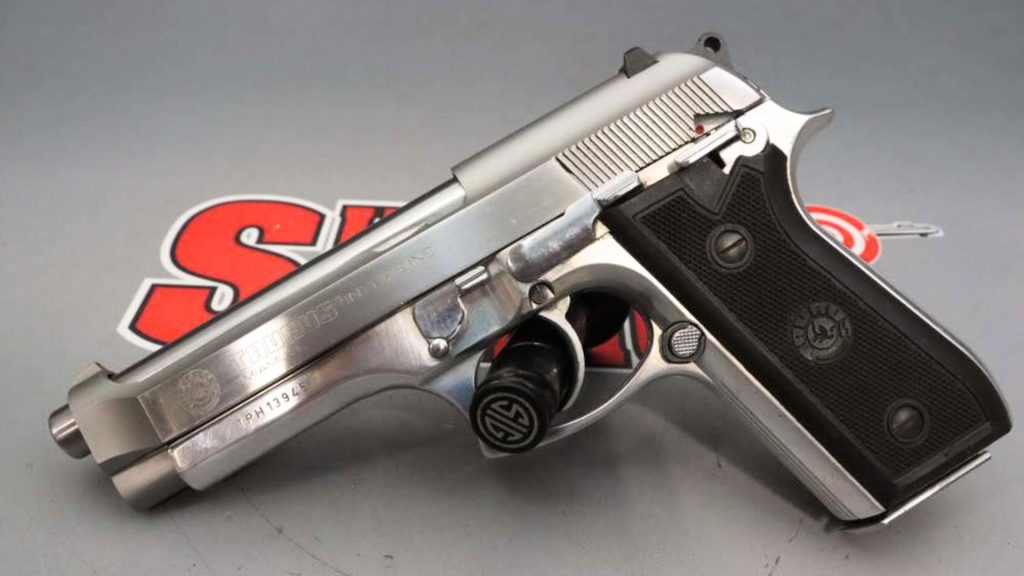
The early Taurus PT-92 shared a platform with the Beretta 92 but came with compromises. Fit and finish were inconsistent, and some early models had reliability issues.
Ejector and extractor problems caused occasional stovepipes and failures to feed. Even premium ammunition sometimes didn’t solve cycling issues. The trigger pull was heavier than expected, reducing accuracy for follow-up shots. Many buyers hoped for a budget-friendly alternative to Beretta, only to spend hours tinkering to make it run reliably. While newer models improved, these early PT-92s often leave owners wishing they had gone with a tried-and-true Beretta or similar pistol.
Hi-Point C9
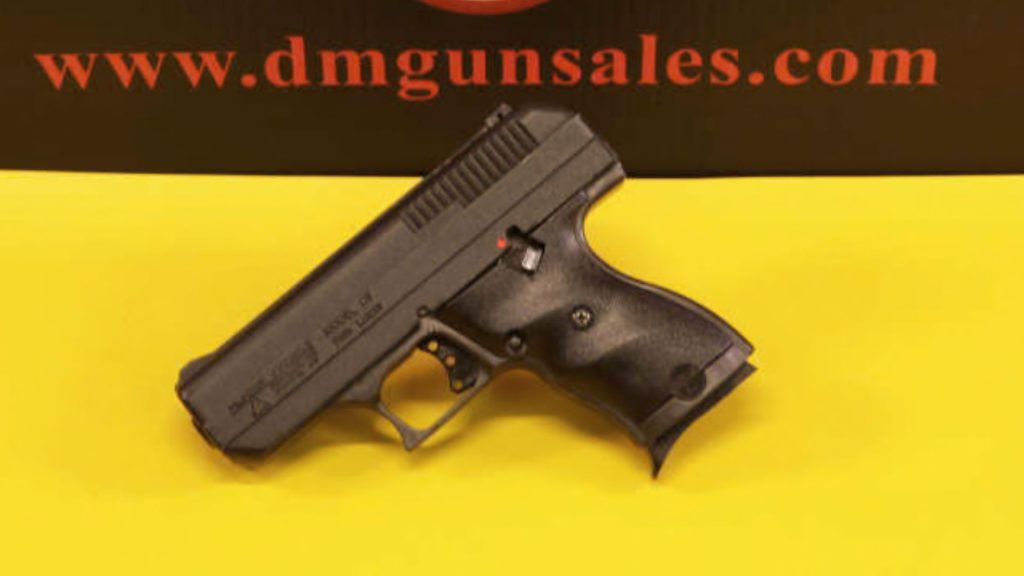
The Hi-Point C9 is inexpensive and widely available, but its bulk and weight make it a compromise for concealed carry or range shooting.
Accuracy suffers from the long, stiff trigger and heavy slide, and felt recoil is sharper than the caliber suggests. Feed issues and magazine problems occasionally appear with budget ammo. While it fires without catastrophic failure in most cases, the experience is underwhelming compared to other pistols in 9mm. Many owners appreciate the low cost but regret the ergonomics and performance. It’s a functional handgun, but not one you’re proud to carry or show off at the range.
Beretta PX4 Storm (Early Versions)

The PX4 Storm promised modularity, a rotating barrel, and comfortable ergonomics. Early units, however, suffered from trigger and slide inconsistencies.
Shooting groups varied, and the pistol occasionally failed to reset properly in rapid fire. Maintenance required careful cleaning and attention to tolerances. While the idea was appealing, many owners found reliability and consistency lacking in real-world shooting. Today’s PX4 models have improved, but those first releases left a lot of people asking why they purchased what appeared to be a top-tier handgun.
Ruger SR1911 (Early Stainless Models)

Ruger’s SR1911 offered a classic platform with modern materials, but early stainless versions had tight tolerances that didn’t always play well with factory ammo.
Feed issues, occasional stovepipes, and sensitivity to bullet types frustrated new owners. Even experienced 1911 shooters had to adjust grips and timing to get consistent function. The slide and trigger were crisp but required extra attention to prevent malfunctions. Many purchased it expecting a reliable 1911 experience out of the box, only to spend more time adjusting than shooting.
Smith & Wesson SD40 (First Generation)
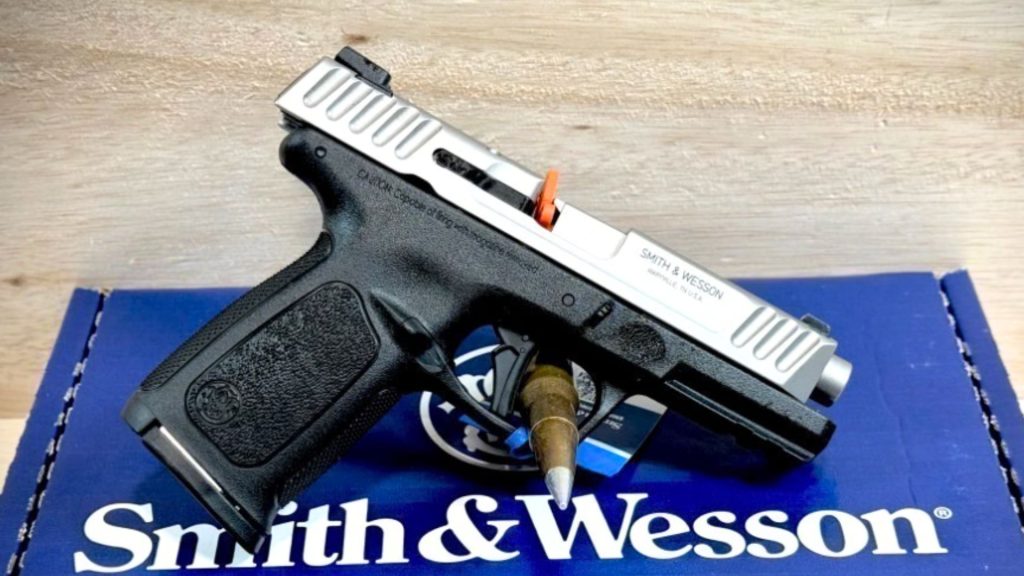
The SD40 was marketed as a reliable, double-action polymer handgun, but early examples often underperformed. Trigger pull was heavy and gritty, and slide lockups caused occasional stovepipes.
Magazine compatibility was inconsistent, and cleaning didn’t always restore full reliability. While the gun functioned most of the time, the combination of ergonomics, trigger, and cycling issues made it less enjoyable to shoot. Many owners ended up selling it in favor of more polished S&W or Glock alternatives. It worked, but it left shooters questioning whether it was worth the purchase.
Glock 17 (Early 3rd Generation Models)
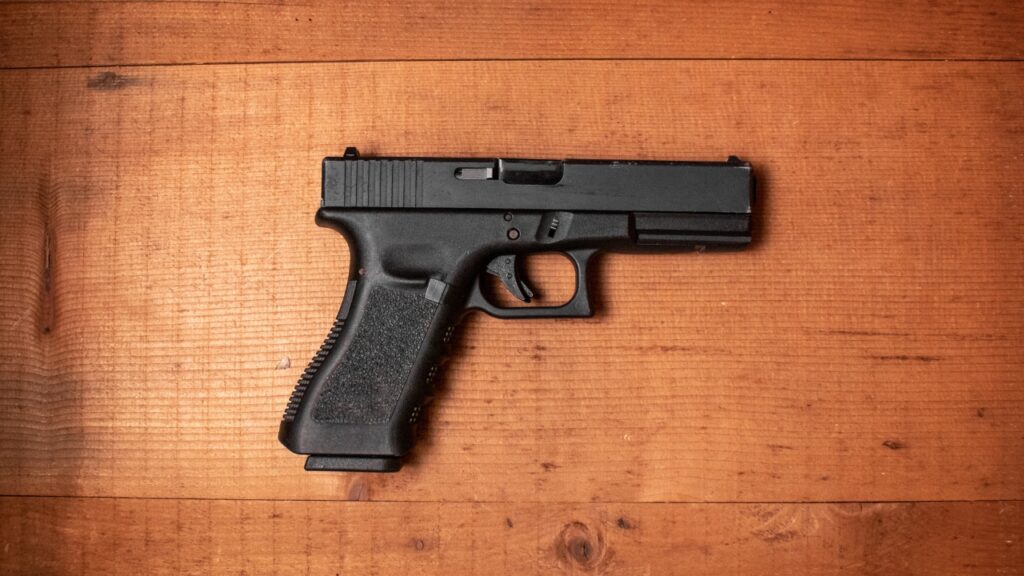
Glocks are known for reliability, but the earliest 3rd generation 17s had minor flaws. Some users reported rough trigger breaks and stiff magazine springs.
These issues didn’t make the gun unusable but reduced precision and comfort. Sight installation and slide finish tolerances could cause slight feeding inconsistencies. For shooters expecting the seamless performance Glocks are known for today, these early models were a letdown. It took some tweaking to reach optimal function, leaving owners wondering if it was worth the time and effort.
Kel-Tec P11
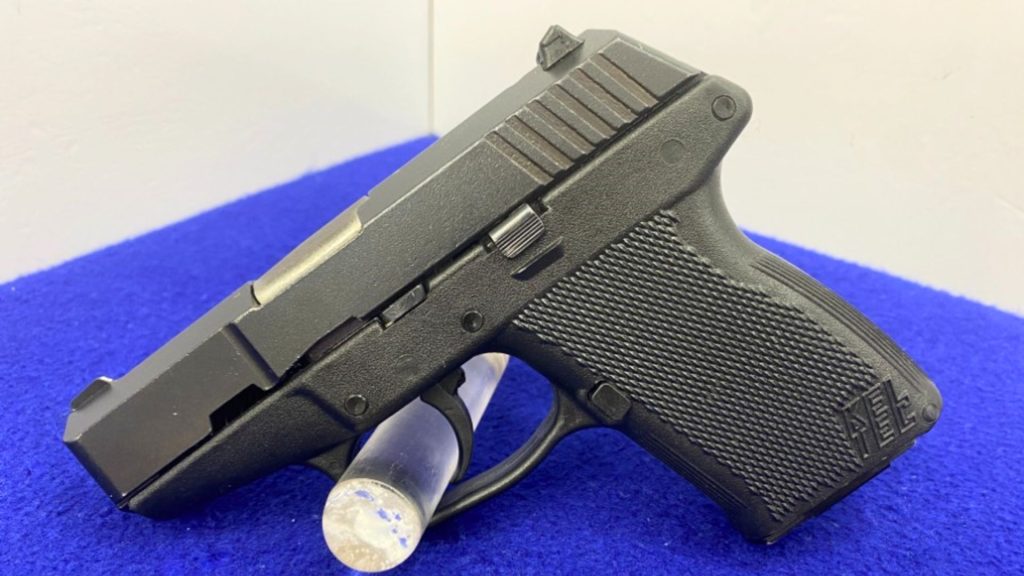
The Kel-Tec P11 offered compact size and affordability, but ergonomics were a compromise. Grip and trigger geometry were awkward for many shooters.
Even light .380 rounds felt harsh due to design geometry, and accuracy at any meaningful distance suffered. Magazine insertion could be finicky, and reliability wasn’t consistent across all lots. While the gun works for close-range defense, handling and trigger feel left many owners wishing they had invested in a better-built compact pistol. It’s small and inexpensive, but far from satisfying in practice.
Beretta 9000S
The Beretta 9000S promised polymer convenience and compact size for carry. Its ambidextrous controls seemed smart, but trigger pull was heavy and unpredictable.
Recoil management was tricky due to the frame design, and the slide occasionally caught on clothing during holster draws. Accuracy wasn’t terrible but didn’t match expectations from other Beretta models. Many owners bought it for concealed carry convenience and quickly realized that handling and performance made it less enjoyable than more familiar, well-tuned pistols.
FN Five-SeveN (Early Models)
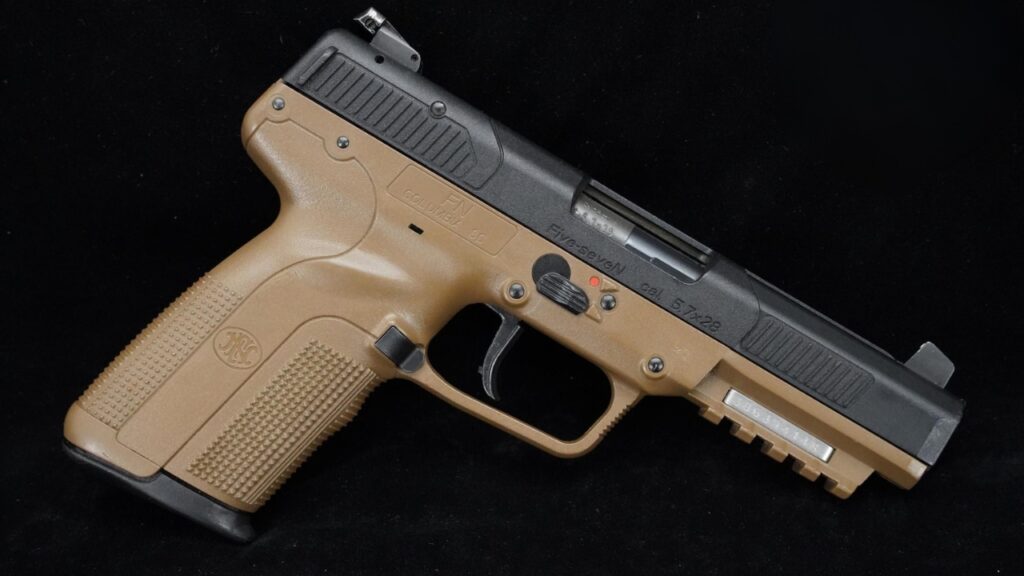
The Five-SeveN impressed with capacity and lightweight design, but early production models were inconsistent. Triggers were mushy, and the polymer frame flexed slightly under recoil.
Feeding and extraction sometimes required extra care, especially with different ammo types. While the cartridge is fast and flat, early guns didn’t reliably translate that into consistent accuracy. Many shooters loved the concept but were left wondering why they spent the money on a pistol that needed careful handling to perform well. Later revisions corrected these flaws, but early models frustrated owners.
Taurus PT-738
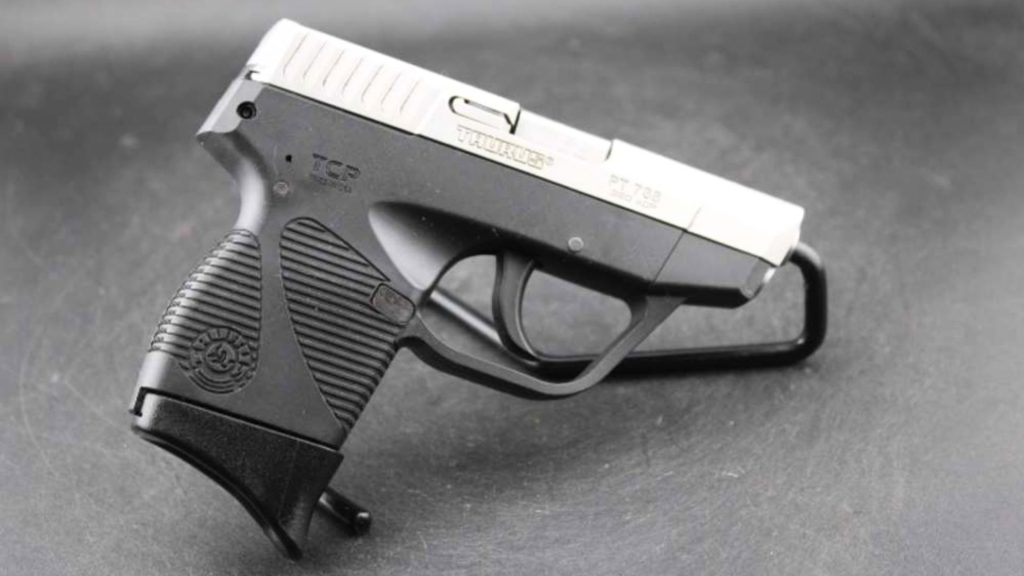
The Taurus PT-738 is a micro-compact .380, easy to carry but difficult to shoot accurately. Recoil is snappy, and the tiny grip makes follow-up shots awkward.
Trigger pull is stiff and inconsistent, reducing precision. Magazine capacity is limited, and field-stripping for cleaning can be tricky. While it works in emergencies, the gun rarely inspires confidence or pleasure in handling. Many buyers carry it once or twice, then reconsider whether convenience is worth performance trade-offs.
Bersa Thunder .380
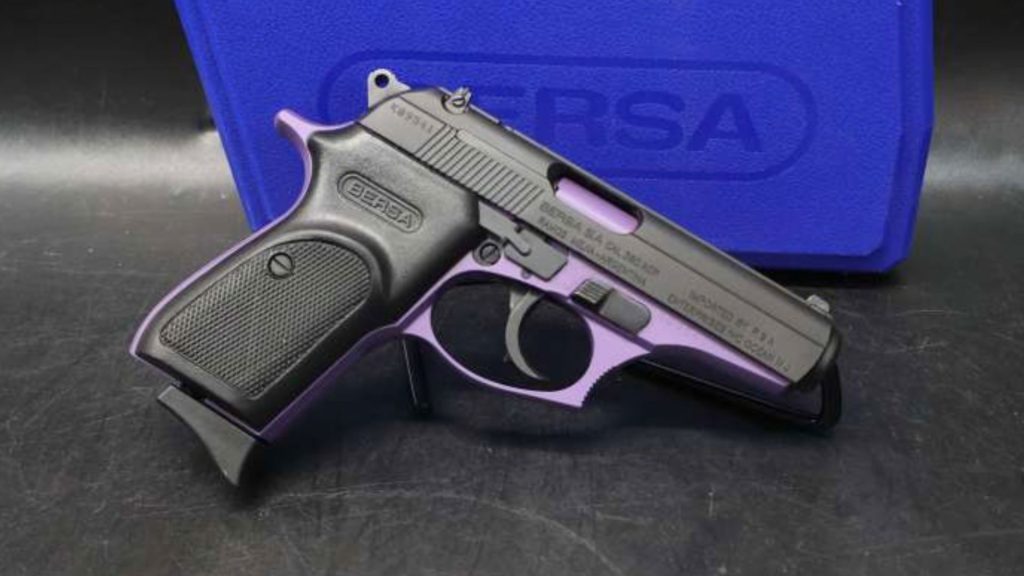
The Bersa Thunder .380 is reliable in function but suffers from ergonomics and trigger issues. Small size leads to snappy recoil, and accuracy at even moderate distances is tough for average shooters.
Sights are basic, and slide manipulation can be stiff. While it fires without catastrophic issues, follow-up shots feel awkward. Many owners find themselves wishing for a slightly larger, more controllable platform that doesn’t compromise reliability or ease of shooting. It works, but enjoyment and confidence take a hit.
Walther P22
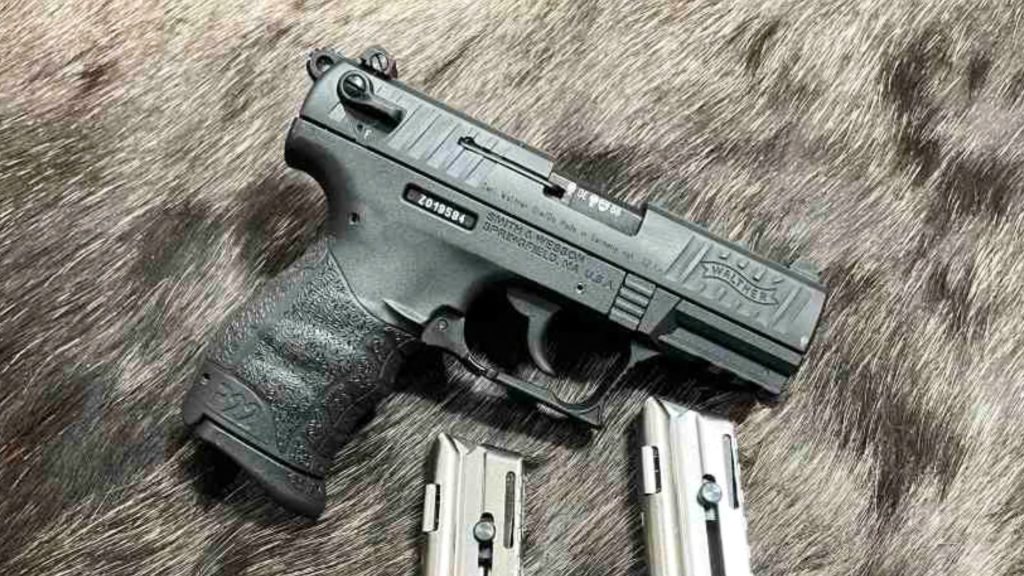
The Walther P22 is light, compact, and often marketed as beginner-friendly, but it has quirks. Small grip, light weight, and a plastic frame contribute to flinch-prone recoil.
Trigger pull is inconsistent, and rimfire ammo can be finicky with feeding and extraction. Accuracy suffers when shooting rapidly or at anything beyond close range. Many owners buy it for casual shooting or training but quickly notice it doesn’t perform with the consistency or comfort of larger pistols. It’s a novelty rather than a dependable everyday carry option.

Asher was raised in the woods and on the water, and it shows. He’s logged more hours behind a rifle and under a heavy pack than most men twice his age.