Six U.S. States With the Largest Wild Turkey Populations
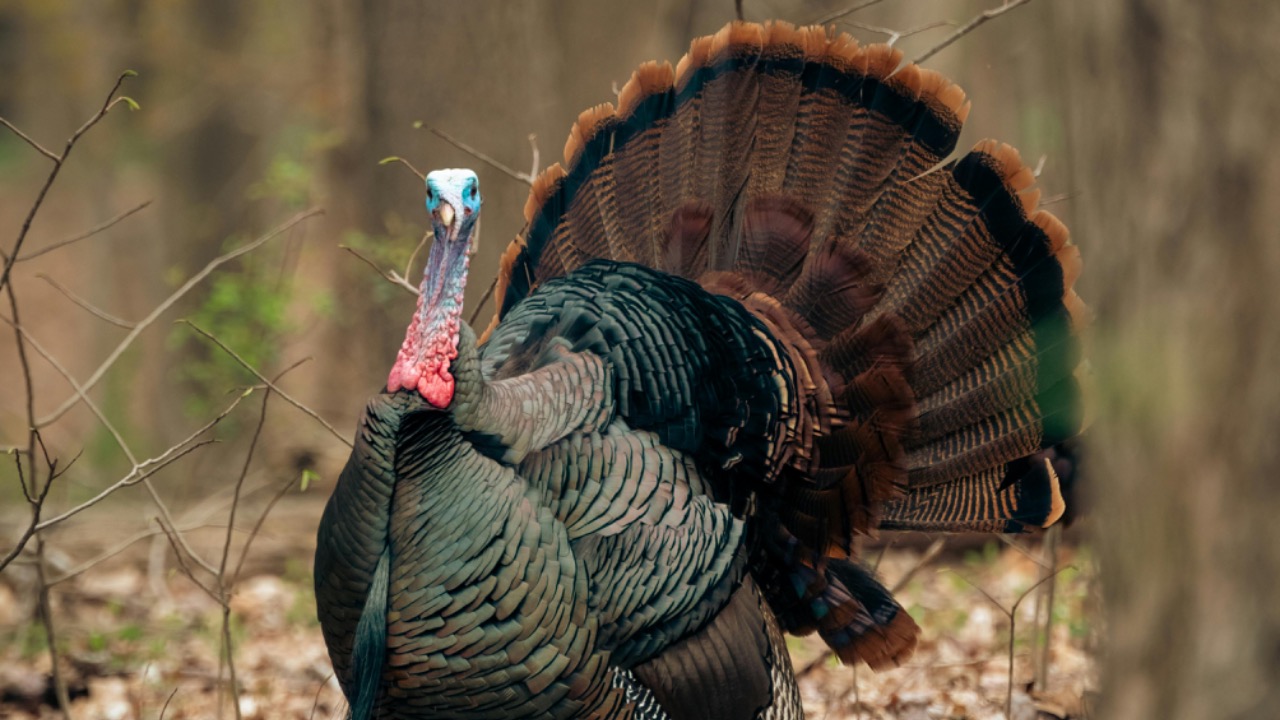
Wild turkeys have staged one of the most dramatic wildlife comebacks in the United States, rebounding from near disappearance to healthy flocks across much of the country. That recovery is not evenly spread, however, and a handful of states now hold especially large concentrations of birds. Looking at population estimates, habitat, and hunting data helps explain why six particular states stand out as powerhouses for wild turkey numbers.
These leading states span every region from the Deep South to the Pacific Coast, and each offers a different story of restoration and management. Together they show how forest cover, agricultural edges, and long term conservation programs can turn once depleted ranges into some of the best places in the nation to see or hunt wild turkeys.
Texas: Endless Habitat and Expanding Flocks

Texas is consistently identified as one of the states with the highest wild turkey totals, a status that reflects both its size and its mix of habitat types. Vast oak woodlands, brushy rangelands, and river corridors give birds room to spread, and many ranches manage land with game species in mind. The sheer geographic sweep of Texas means that even moderate densities translate into very large statewide counts.
Recent roundups of the States Bustling With describe how “Texas Has Endles” opportunities, a nod to the way turkeys occupy everything from Hill Country creek bottoms to Panhandle shelterbelts. Those same analyses link the state’s success to decades of trap and transfer work, where birds from strongholds were moved into suitable but empty habitat. The result is that Texas now anchors the national map of turkey range, with strong spring hunting traditions layered on top of a broad conservation footprint.
Missouri: A Midwestern Stronghold Built on Restoration
Missouri is another heavyweight in wild turkey numbers, and its story is tightly tied to organized restoration. Earlier accounts of national trends point out that about 50 years ago the U.S. wild turkey population sat just over 1 million birds, and that Missouri has since become a benchmark for how far numbers can climb when agencies and landowners cooperate. Forested Ozark hills, interspersed with clearings and farms, give turkeys the mix of cover and food they need through harsh winters and humid summers alike.
Hunters frequently point to Missouri as a bellwether for broader population trends, in part because the state tracks harvest and habitat conditions closely. Conservation discussions in the region even reference concerns that in some areas numbers may now be lower than they were decades ago, a reminder that strongholds require constant management. At the same time, national production data on Turkey Production list Missouri among the leading states for farmed birds, which reinforces how central turkeys are to the state’s rural economy and identity.
Kentucky and Alabama: Southern Forests Packed With Birds
In the Southeast, Kentucky and Alabama form a dense belt of wild turkey habitat that has translated into very high population estimates. Rolling hardwood ridges, reclaimed mine lands, and river bottoms in Kentucky give birds roost trees and open feeding areas in close proximity, conditions that biologists repeatedly highlight as ideal. Modern surveys of Wild Turkey Population by State describe statewide totals that place Kentucky in the upper tier of turkey states, with strong recruitment and consistent spring harvests.
Alabama offers a slightly different but equally productive mix of pine plantations, hardwood creek bottoms, and agricultural edges. Population breakdowns in the Wild Turkey Population tables list State Alabama with an estimated 300 thousand birds, citing “State Alabama: 300” in the summary of figures. That number reflects decades of restocking and habitat work on both private timberlands and public Wildlife Management Areas. Additional profiles of Alabamaemphasize how deeply turkey hunting is woven into local culture, which in turn helps fund the research and habitat projects that keep populations high.
California and Wisconsin: Surprising Powerhouses Outside the South
California might seem like an unlikely member of any list of top turkey states, yet current rankings of the seven best turkey destinations place California in the number one slot. Biologists and hunters alike point to oak savannas in the Sierra foothills, irrigated agricultural valleys, and coastal ranges as near perfect habitat mosaics. Introduced flocks have flourished to the point that turkeys are now a familiar sight in many rural and exurban communities, and spring seasons attract traveling hunters who once ignored the state entirely.
Far to the northeast, Wisconsin has quietly built one of the most stable turkey populations in the Upper Midwest. Restoration efforts started later than in some southern states, but the combination of dairy country fields, mixed forests, and carefully managed public lands has proved ideal. Modern summaries of the states with the States With The regularly include Wisconsin among the top entries, citing strong reproduction and high hunter success. General profiles of Wisconsin also highlight the state’s long record of game management, which extends from deer to turkeys and other upland species.
Minnesota and North Carolina: Growing Giants on the Edges of Range
Some of the most interesting turkey stories are unfolding on the edges of the species’ traditional strongholds, in places like Minnesota and North Carolina. In Minnesota, wild birds share a state that is already a powerhouse in commercial poultry. Industry data from the Minnesota Turkey Growers Association notes that Minnesota has long been number 1 in U.S. turkey production, and that for six generations the Nelson family has raised turkeys on Oakdale farms. While those figures describe domestic flocks, the same mix of cornfields, shelterbelts, and woodlots that supports farm operations also benefits wild birds that have expanded northward as reintroductions took hold.
On the Atlantic side, North Carolina has emerged as a major turkey state after decades when birds were rare in many counties. Habitat stretching from coastal plain pine forests to Appalachian hardwood ridges now holds thriving flocks. Population overviews of the States with the describe how some states now approach or exceed half a million birds, and North Carolina is frequently grouped within that upper echelon. General references to North Carolina emphasize that turkeys can now be found from coastal refuges to mountain game lands, a distribution that would have been unthinkable only a few decades ago.

Leo’s been tracking game and tuning gear since he could stand upright. He’s sharp, driven, and knows how to keep things running when conditions turn.