Tehran Promises Response After Joint U.S.–Israel Military Action
When Washington and Jerusalem move together militarily, you can expect Tehran to answer in words first and action later. That pattern has held for years. Public vows of retaliation serve domestic audiences, signal resolve to regional rivals, and buy time to weigh options. You’re watching a familiar cycle play out again: a strike meant to degrade capability, followed by promises of response designed to deter further pressure.
The danger isn’t always in the first exchange. It’s in the second and third moves. What you need to understand is how Iran typically calibrates its reactions, how the U.S. and Israel prepare for blowback, and why each side works hard to avoid a full-scale war while still projecting strength.
How Tehran Frames Retaliation
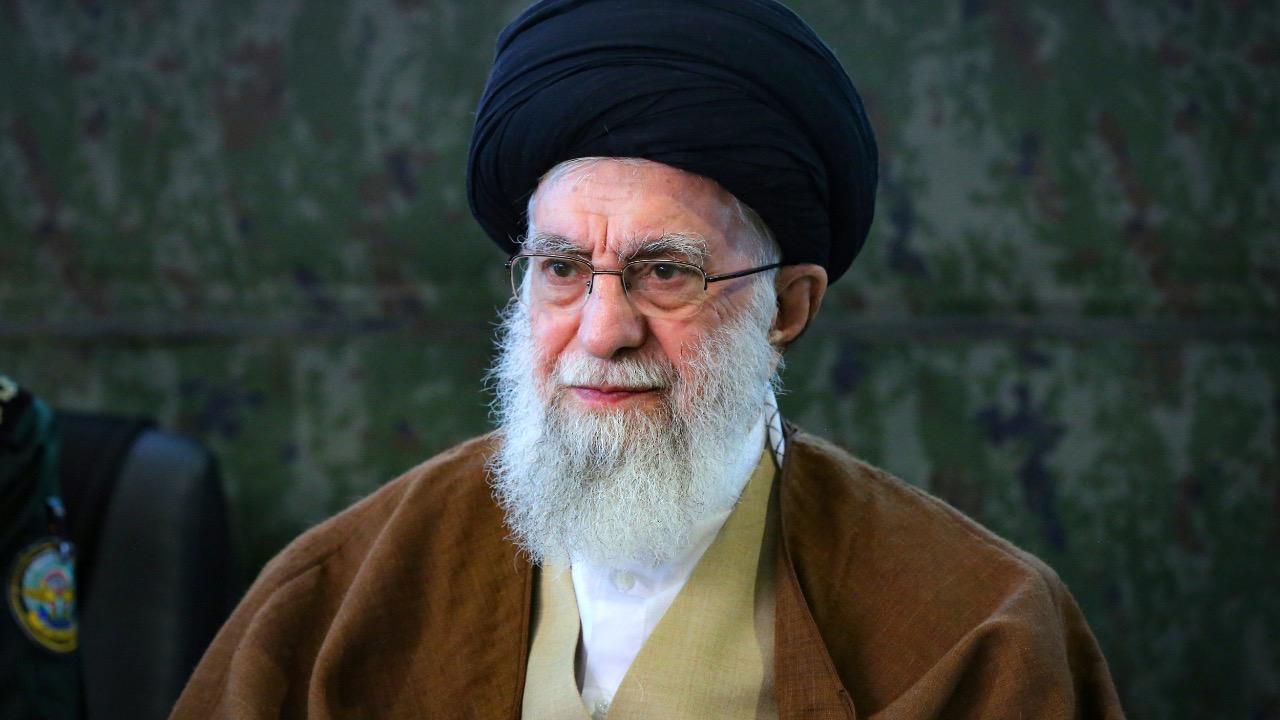
When Iranian leaders promise a response, they often couch it in language about sovereignty and deterrence. You’ll hear references to international law and the right to self-defense. That framing isn’t accidental. It sets up any future action as measured rather than reckless, even if the strike is carried out through indirect channels.
Internally, those statements reinforce credibility. The government has to show it won’t absorb a strike without consequence. Externally, it signals that escalation is possible but not inevitable. Iran has historically preferred responses that impose costs without triggering overwhelming retaliation, and that balancing act shapes how and when it acts.
The Role of Proxy Forces
If you’ve followed regional security over the past decade, you know Iran rarely acts alone. It maintains ties with armed groups across the Middle East, giving it options that don’t involve direct state-on-state confrontation. Those relationships allow Tehran to respond while maintaining some level of deniability.
You should expect any retaliation to factor in those networks. Rocket fire, drone activity, or maritime harassment have all been used in past tensions. The goal isn’t necessarily decisive military victory. It’s pressure. By spreading activity across multiple fronts, Iran can complicate planning for both the United States and Israel without crossing thresholds that invite massive retaliation.
U.S. Deterrence Calculus
From the American side, the strategy usually blends limited force with clear warnings. When the U.S. acts alongside Israel, it sends a message that certain lines won’t be tolerated. At the same time, Washington often signals it does not seek broader conflict, leaving room for de-escalation.
You can see that pattern in force posture shifts—additional naval deployments, air defense repositioning, and public briefings emphasizing readiness. These moves are meant to discourage retaliation or at least shape its scope. The U.S. approach typically aims to absorb limited responses while preparing to respond decisively if escalation moves beyond a contained exchange.
Israel’s Security Imperative
Israel views Iranian military activity through the lens of long-term threat management. Whether the issue is missile development, regional militias, or nuclear infrastructure, Israeli leaders tend to act when they believe risks are growing. Coordination with Washington amplifies the signal and reduces diplomatic isolation.
For you as an observer, the key is understanding that Israel often favors preemption over reaction. When strikes occur, they are usually framed as necessary steps to prevent future harm. That mindset shapes the risk tolerance in Jerusalem and influences how far Israel is willing to go if retaliation follows.
Risks of Regional Spillover
Any exchange between Iran, the United States, and Israel carries the risk of dragging in neighboring states. Energy routes, shipping lanes, and airspace corridors run through areas where even small incidents can ripple outward. You’ve seen in past crises how quickly insurance rates, oil prices, and commercial traffic can react.
Regional governments tend to call for restraint publicly while strengthening their own defenses quietly. The concern isn’t rhetoric; it’s miscalculation. One misread strike or unintended casualty can shift a limited exchange into something broader. That possibility keeps diplomatic channels active, even when public statements sound uncompromising.
The Nuclear Shadow
You can’t separate any major confrontation with Iran from the nuclear question. Even if the immediate trigger involves conventional military targets, the broader tension often circles back to enrichment levels, inspections, and sanctions. Each side calculates how military moves affect negotiations and international opinion.
For Tehran, promising retaliation reinforces the image of defiance in the face of pressure. For Washington and Israel, demonstrating capability underscores that time and leverage matter. The nuclear issue hangs over every decision, shaping restraint as much as aggression. That shadow is what makes even limited military actions carry outsized strategic weight.
Why Full-Scale War Remains Unlikely
Despite sharp rhetoric, all three actors understand the costs of open war. Direct conflict would strain economies, stretch militaries, and destabilize the broader region. That reality tends to keep responses calibrated rather than maximal.
You’re likely to see a pattern of limited strikes, symbolic actions, and carefully worded statements instead of large-scale offensives. Each side wants to show resolve without losing control of the escalation ladder. The tension is real, and the risks are serious, but history suggests a preference for contained confrontation rather than all-out war.

Asher was raised in the woods and on the water, and it shows. He’s logged more hours behind a rifle and under a heavy pack than most men twice his age.