The Shooting Range Myth That Keeps New Gun Owners From Improving
Many new gun owners believe that spending long hours at the shooting range automatically makes them better shooters. That idea sounds reasonable, but practice alone doesn’t guarantee progress. You can fire hundreds of rounds and still reinforce bad habits if you aren’t paying attention to stance, grip, trigger control, and follow-through. Improvement comes from focused repetition, not just time behind the trigger.
The myth that “more range time equals better skill” keeps beginners stuck in comfort shooting. Instead of working on weaknesses, many people repeat what already feels easy. Real growth usually happens when you slow down, analyze each shot, and correct mistakes deliberately.
Shooting Without a Purposeful Drill Plan
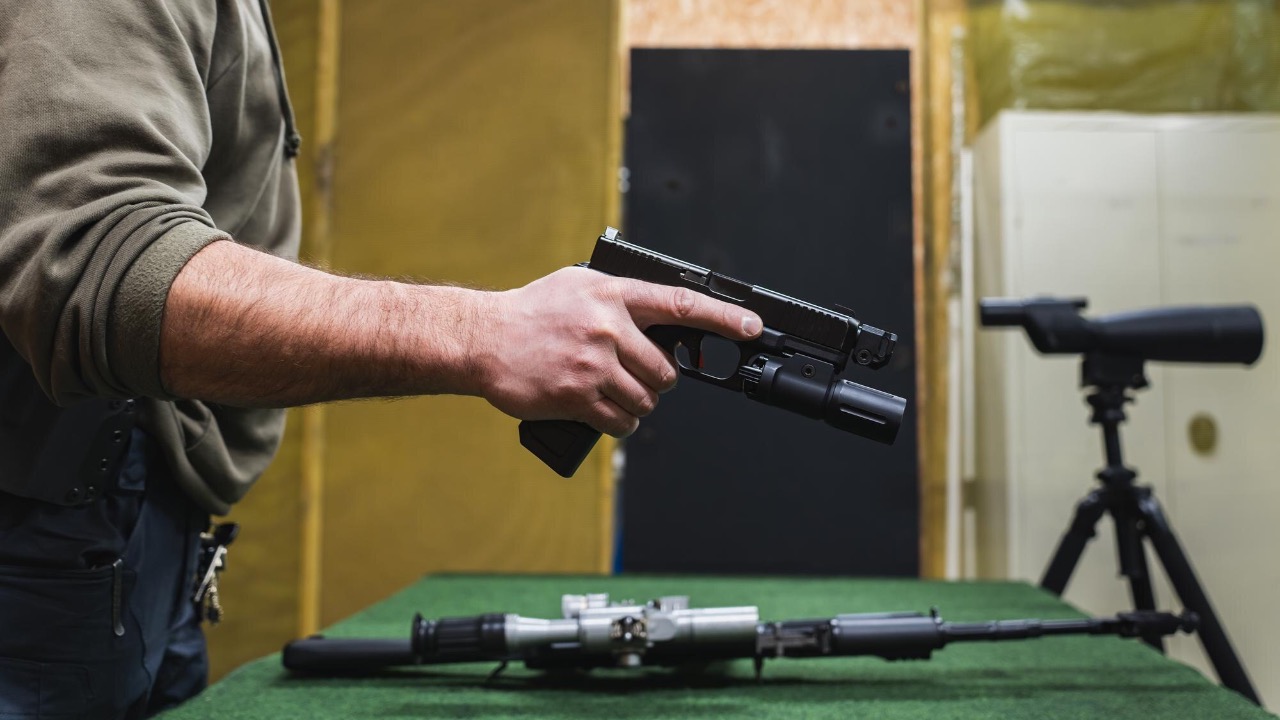
Walking into the range without a plan is one of the most common habits among new shooters. Many people load magazines and fire at targets without focusing on a specific skill. That might feel productive, but it doesn’t push accuracy, speed, or control forward. Purpose matters more than round count.
You should treat range time like structured training rather than casual recreation. Pick one skill—trigger reset, sight alignment, or recoil management—and work on it until you feel improvement. Random shooting rarely transfers into real-world defensive or hunting performance. Skill grows when practice becomes intentional.
Chasing Tight Groups Instead of Consistent Mechanics
New shooters often fixate on producing tiny bullet clusters on paper targets. While tight groups look impressive, they don’t always reflect real shooting ability under pressure. Focusing only on group size can hide problems in grip pressure or trigger movement.
Consistency matters more than cosmetic precision. A shooter who can place rounds reliably inside a practical zone performs better than someone chasing perfect holes. Good mechanics should feel repeatable and stable, even when you increase speed. Accuracy usually follows good movement habits rather than obsessive target pattern watching.
Ignoring Recoil Management Training
Many beginners treat recoil as something they simply endure rather than control. Flinching, tightening grip at the wrong moment, or anticipating the shot can push impacts off target. Recoil management is a learned skill, not an automatic reaction.
You improve by staying relaxed during the trigger press and maintaining pressure on the firearm after the shot breaks. Dry fire practice helps build muscle memory without recoil shock. Learning to move with the gun instead of fighting it leads to cleaner follow-up shots and better long-term shooting confidence.
Only Practicing at One Distance
Some new gun owners always shoot at the same distance because it feels comfortable. Targets placed at ten or fifteen yards can hide weaknesses in sight picture adjustment and wind judgment. Real shooting ability requires variation.
Try moving between distances during a session. Practice closer shots for speed and farther shots for precision. This teaches your eyes and hands to adapt naturally. Many defensive and hunting situations don’t occur at fixed distances, so flexibility matters more than mastering one range setting. Range diversity builds real-world readiness.
Neglecting Trigger Reset Awareness
Trigger reset is one of the most overlooked shooting fundamentals. Many new shooters release the trigger fully after every shot instead of learning where the reset point is. That adds unnecessary movement and slows follow-up shots.
Understanding reset allows faster, smoother shooting cycles. You don’t need to rush, but you should feel where the trigger re-engages. Modern striker-fired pistols from companies like Glock GmbH emphasize reset consistency, but shooters must still train their fingers to recognize it. Awareness of reset improves rhythm and accuracy under pressure.
Shooting Too Fast Without Accuracy Standards
Speed is exciting, especially for beginners who want to feel progress quickly. The problem appears when speed training ignores accuracy. Shooting fast while missing targets reinforces poor muscle memory. You are training your body to accept misses as normal.
Good shooters build speed only after they can maintain consistent hits. Start slow, confirm impact, then gradually increase pace. Competitive shooters often follow structured progression training. Balance between control and timing is what separates casual shooting from practical proficiency in defensive or field environments.
Avoiding Weak Hand and Position Training
Most new gun owners practice only strong-hand shooting from a standing position. Real shooting situations may require awkward angles, weak-hand control, or seated and kneeling positions. Ignoring these variations limits practical skill development.
Switch hands occasionally during training. Practice controlled shots while moving or adjusting stance. This builds stability and confidence. Professional instructors often emphasize positional adaptability because stress situations rarely allow perfect shooting posture. Learning multiple control angles improves real-world defensive readiness and overall firearm handling competence.
Relying Too Much on Equipment Instead of Skill
Many beginners believe upgrading optics, buying expensive ammunition, or purchasing premium firearms will automatically improve performance. Gear matters, but skill always matters more. A well-trained shooter can outperform someone with expensive equipment but weak fundamentals.
Firearms from brands like Smith & Wesson or others perform best when the shooter understands mechanics. Focus on learning body control, sight discipline, and trigger management first. Equipment upgrades should support skill, not replace training. Confidence comes from ability, not price tags.

Asher was raised in the woods and on the water, and it shows. He’s logged more hours behind a rifle and under a heavy pack than most men twice his age.