Texas man convicted in large-scale cartel-linked operation to traffic firearms from US
Bobby Brandon Galvan, a 30-year-old from Dale in Caldwell County, just heard a federal jury in Del Rio tell him he is guilty on two counts of firearms trafficking. The case pulls back the curtain on how ordinary purchases in Texas gun shops can end up arming cartel fighters in Mexico. You see these stories and recognize the pattern: guns bought legally here, moved across the border, and used in violence that reaches back into American communities. Prosecutors laid out evidence that Galvan worked with the La Nueva Familia Michoacana cartel, moving at least two dozen rifles in a short period. The verdict arrived after a trial that highlighted fresh federal tools aimed at stopping these networks before they grow larger.
Galvan’s place in the cartel network
Bobby Brandon Galvan went by the alias Puravidarecia and maintained direct ties to the La Nueva Familia Michoacana. Court records show he acted as a reliable straw purchaser, acquiring weapons on behalf of the group rather than for personal use. His role kept the supply line moving without drawing early attention from local dealers or neighbors. You notice how someone living a regular life in Central Texas could quietly support operations hundreds of miles away. The affiliation placed him inside a larger organization that relies on these cross-border connections to stay armed and operational. Evidence presented during the trial made clear that his actions were not isolated but part of coordinated efforts.
The rifles he bought and prepared for shipment
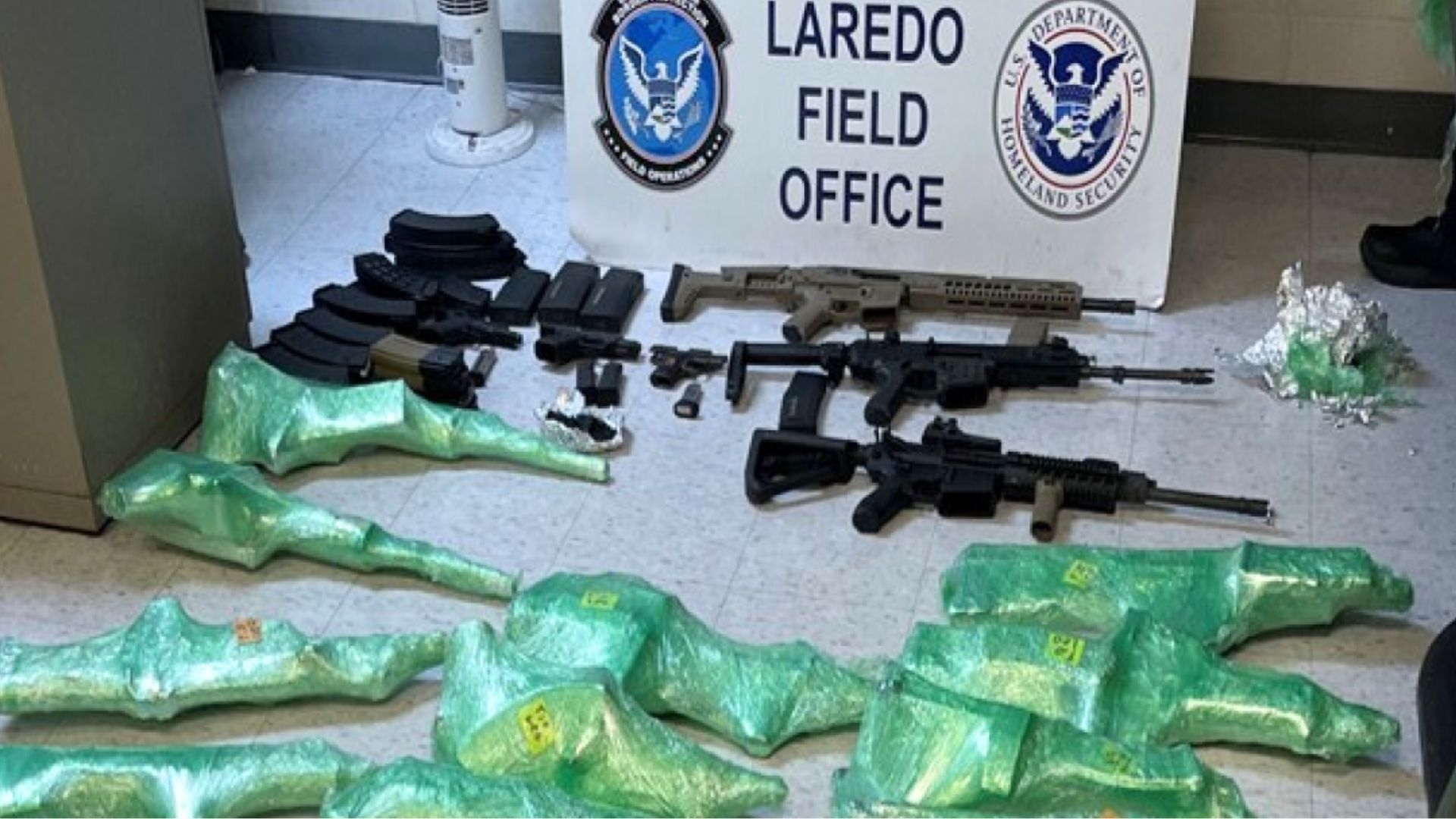
Between September 2023 and April 2024 Galvan purchased 24 AK-47-style rifles from Texas stores. He then took steps to remove or obscure the serial numbers on several of them before handing the weapons off to others in the network. This preparation made tracing harder once the guns reached Mexico. You look at the details and see a deliberate process designed to keep the trail cold. Federal agents later connected the purchases directly to the trafficking scheme through purchase records and witness accounts. The volume and speed of the buys stood out even in a region accustomed to high gun sales. Each rifle represented another tool added to the cartel’s arsenal.
One rifle’s journey into cartel violence
Investigators recovered one of the AK-47s Galvan had bought after Mexican law enforcement clashed with cartel members in a shootout. The weapon’s path confirmed the link between Texas purchases and real-world fighting south of the border. You realize these guns do not stay hidden in storage; they surface in deadly encounters that affect families on both sides. Traces led back to the exact shops where Galvan had completed the paperwork months earlier. The recovery gave prosecutors concrete proof that the rifles were reaching their intended users. It also underscored the human cost that follows each successful smuggling run.
The wider group of 26 charged defendants
Galvan formed just one piece of a 26-person indictment that included charges ranging from firearms trafficking to money laundering and smuggling people across the border. The case, handled by the Homeland Security Task Force, exposed an entire pipeline operating out of Texas. You see how one conviction can ripple through the rest of the group still awaiting trial. Coordination among the defendants kept the operation efficient and difficult to dismantle at first. Federal authorities used new conspiracy-to-traffic statutes to hold participants accountable for the full chain of events. The scale surprised even seasoned investigators familiar with border cases.
The cartel’s official terrorist designation
In February 2025 the U.S. State Department labeled La Nueva Familia Michoacana a foreign terrorist organization. That move changed how agencies viewed and pursued the group’s activities inside the United States. You connect the timeline and notice Galvan’s purchases overlapped with the cartel’s rising profile. The designation opened additional investigative tools and harsher penalties for anyone caught helping the organization. It also signaled that Washington now treats these networks with the same seriousness reserved for international threats. Galvan’s case became one of the early tests of that tougher approach in federal court.
What the verdict signals for future cases
Galvan faces up to 40 years on each count, with sentencing still ahead. The Del Rio jury’s decision marks an early win under updated firearms-trafficking laws that treat the entire supply chain as a single crime. You sense law enforcement gaining ground in disrupting these routes before weapons reach cartel hands. The Homeland Security Task Force plans to use the momentum to press forward with the remaining defendants. Cases like this remind everyone that the border gun trade is not abstract; it supplies the firepower behind daily violence. Federal prosecutors say more trials will follow, keeping pressure on similar networks operating quietly in Texas towns.

Asher was raised in the woods and on the water, and it shows. He’s logged more hours behind a rifle and under a heavy pack than most men twice his age.