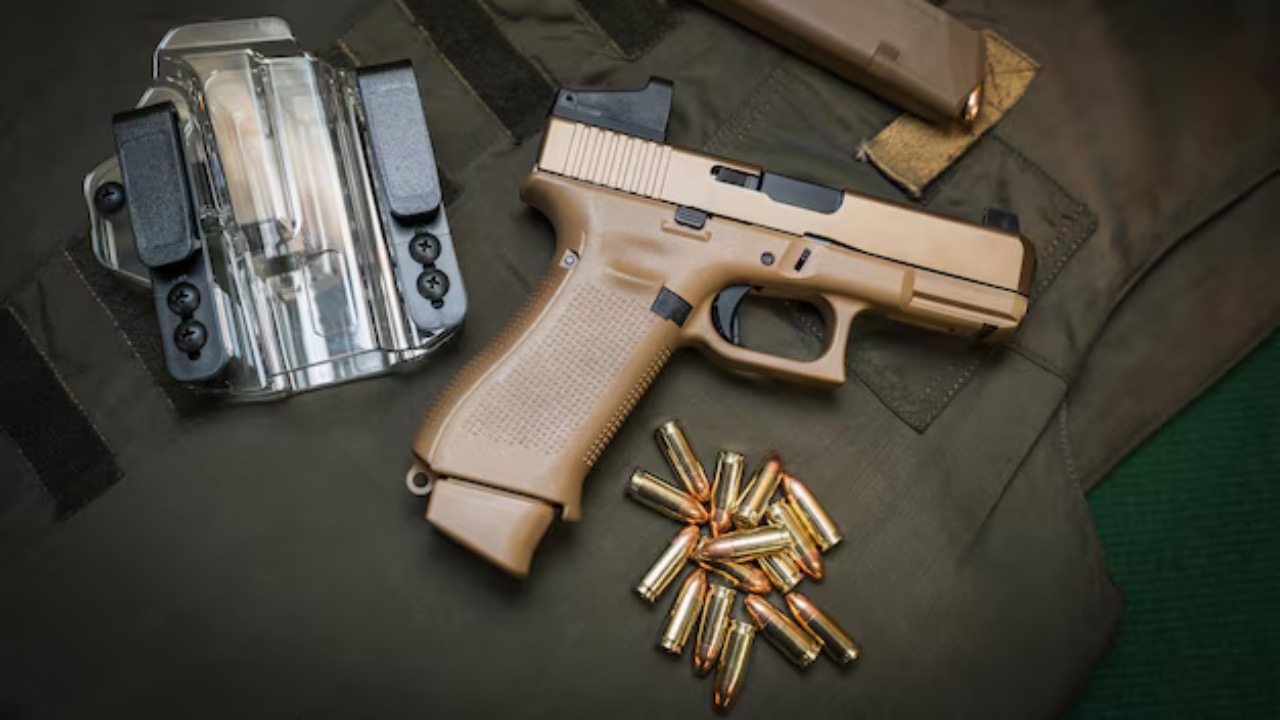
10 common firearm myths that refuse to die
Firearms attract more folklore than almost any other consumer product, and those stories shape how people vote, carry and store their guns. Some of the most stubborn myths sound plausible on the surface, yet they crumble as soon as basic physics, training standards or real crime data enter the picture. Clearing away that fog matters for both public safety and honest debate.
The ten myths below keep resurfacing in conversations, social media threads and even legislative hearings. Each one blends a grain of truth with exaggeration or outright fiction, and each has real consequences for how people think about guns, risk and responsibility.
Myth 1: More guns automatically mean more crime
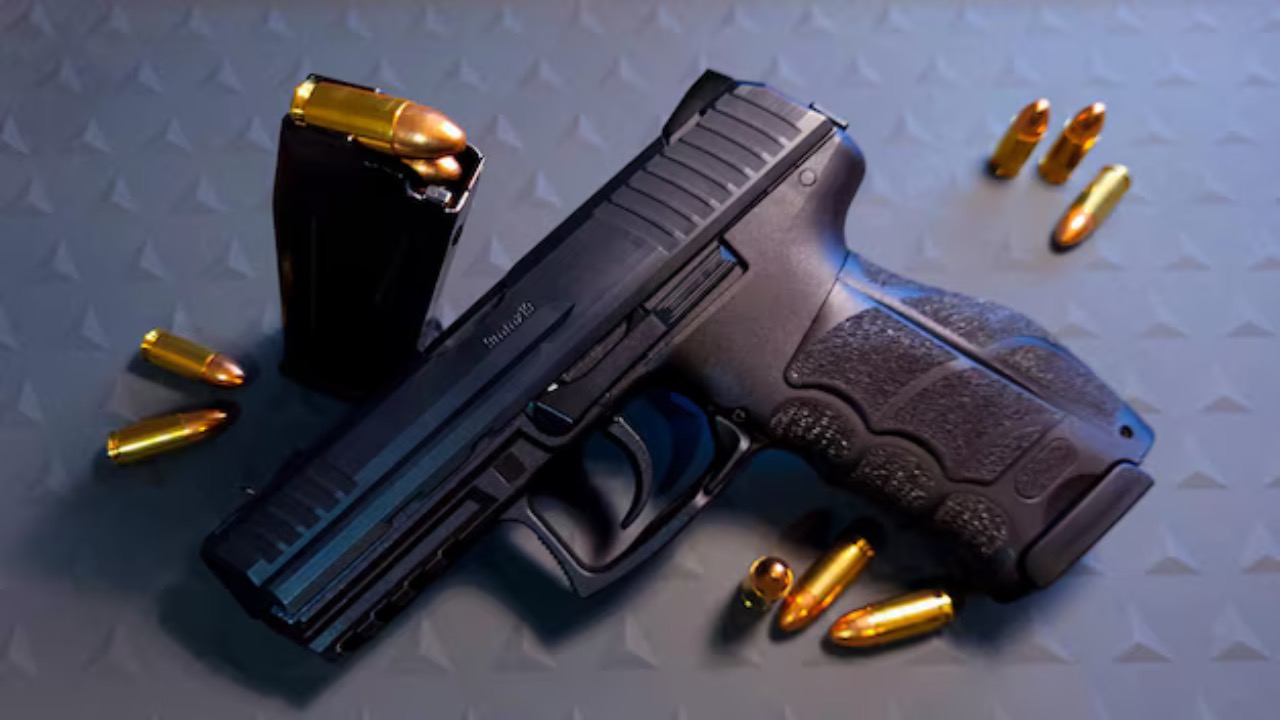
The idea that more privately owned firearms always drive higher crime rates is one of the most politically powerful claims in the gun debate. It sounds intuitive, yet the relationship between gun ownership and crime turns out to be far more complex than a single cause-and-effect line. Analysts who examine long-term trends point out that national violent crime has fallen in periods when gun sales and carry permits were rising, which undercuts the blanket claim that more guns must equal more crime.
Writers who catalog common myths, including the claim that More Guns Mean, stress that local context, policing practices, drug markets and demographics all interact with firearm prevalence. Treating one variable as destiny ignores how some jurisdictions with high household gun ownership report relatively low violent crime, while some with strict gun laws still struggle with shootings driven by gangs or narcotics. The data do not support a simple automatic link in either direction.
Myth 2: “Assault weapons” are easy for anyone to buy
Another persistent belief holds that rifles labeled as “assault weapons” are freely available to any buyer with cash in hand, no questions asked. In reality, federal law requires background checks for retail sales, and many states layer additional rules on top, from waiting periods to feature-based bans that target specific models. The label itself is often used loosely in political rhetoric, which blurs the difference between civilian semi-automatic rifles and military select-fire weapons that are heavily regulated.
Training-oriented explainers on firearm law describe the claim that Assault Weapons Legal is a caricature that ignores the actual process buyers must follow. Prospective owners typically complete federal forms, submit to instant checks and, in some jurisdictions, obtain separate permits or safety certificates. The gap between that regulatory reality and the myth of effortless access fuels mistrust on both sides of the policy argument.
Myth 3: Shotguns never miss and require no aim
Hollywood has turned the 12 gauge into a kind of magic wand that clears hallways with a single casual blast. That image feeds the myth that shotguns spread pellets so widely that precise aiming does not matter. In real homes and at typical self-defense distances, the shot pattern from a defensive shotgun is measured in inches, not room-wide clouds, which means poor technique can still send pellets off target or miss entirely.
Technical breakdowns of so-called Firearm Fairy Tales explain that pattern size depends on barrel length, choke and ammunition. At close range, many loads behave almost like a single large projectile. Responsible instructors still teach sight alignment and recoil management for shotguns, because the physics of pellets do not cancel the need for careful aiming and backstop awareness.
Myth 4: Revolvers are always more reliable than semi autos
Revolvers enjoy a reputation for absolute reliability, summed up in the phrase “they always go bang.” That belief leads some new owners to assume that any wheelgun is automatically safer and more dependable than a modern semi-automatic pistol. While revolvers avoid certain failure modes, such as magazine-related feeding problems, they introduce others that can be harder for untrained shooters to diagnose or fix under stress.
Instructional pieces on Firearm Myth Revolvers point out that timing issues, debris under the extractor star or a slightly high primer can lock a revolver’s cylinder completely. Clearing that kind of stoppage often requires tools or a gunsmith, while many semi-automatic malfunctions can be resolved with standard tap-rack drills. The more honest comparison is that both designs can fail if neglected or fed poor ammunition, and both reward regular maintenance and practice.
Myth 5: Magazines left loaded will quickly wear out
One of the most persistent shop-counter warnings tells owners never to keep magazines loaded for long periods because the springs will “take a set” and fail. That advice sounds sensible to anyone who has handled worn-out mechanical springs, yet it misunderstands how quality magazine springs are designed to operate. Fatigue comes from repeated compression and decompression cycles, not from remaining under constant tension within their rated limits.
Writers who catalog Gun Myth No explain that leaving rounds in a modern magazine for months or even years is unlikely to harm a properly manufactured spring. Problems tend to arise from cheap materials, damaged feed lips or accumulated dirt rather than static compression alone. Rotating magazines and periodically test-firing carry gear remain good habits, but constant unloading and reloading in fear of spring wear can create more opportunities for handling mistakes without delivering real benefits.

Leo’s been tracking game and tuning gear since he could stand upright. He’s sharp, driven, and knows how to keep things running when conditions turn.