The 10 U.S. presidents most closely aligned with gun rights
Ranking the 10 U.S. presidents most closely aligned with gun rights means weighing personal firearm culture, public rhetoric, and concrete political backing for the Second Amendment. I focus on leaders whose records and reputations show a consistent tilt toward gun ownership and self‑defense, from early “Gun Guy” Presidents to modern figures embraced by organized gun‑rights groups. The list is interpretive, but each entry rests on specific, sourced details about how that president approached guns.
1) George Washington
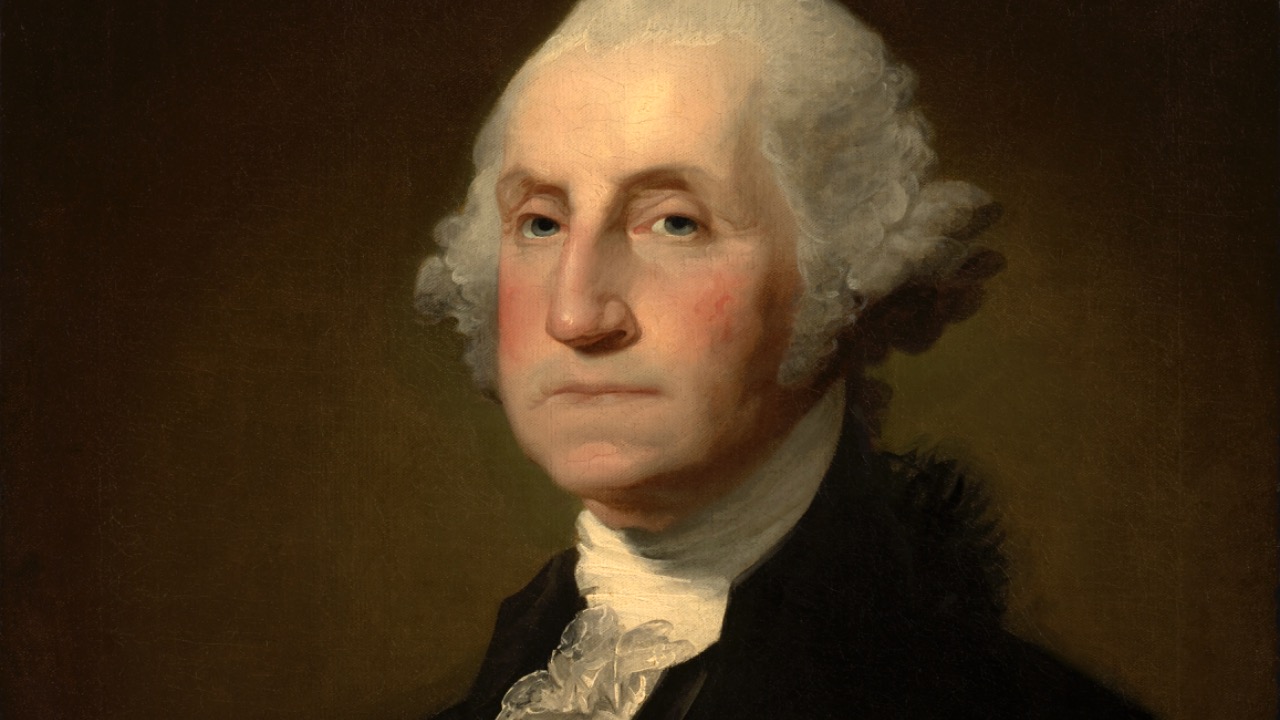
George Washington, often called Father of Our, was deeply immersed in the firearm culture of the early republic. Accounts describe him as an avid hunter and “quite the gun aficionado,” with numerous finely crafted pistols and long guns. As commander in chief of the Continental Army, he relied on armed citizen‑soldiers, reinforcing an early American expectation that free men would own and competently use firearms.
Later assessments of Our Top Pro Gun Presidents consistently place Washington near the top because his leadership linked personal arms, militia service, and national independence. While the modern Second Amendment debate did not yet exist, his example still shapes how gun‑rights advocates frame armed citizenship as a safeguard of liberty, not just a hobby or sporting tradition.
2) Thomas Jefferson
Thomas Jefferson combined philosophical arguments for liberty with a practical comfort around weapons. Historical accounts note that Jefferson believed a be skilled in the use of firearms, reflecting his view that an armed populace underpinned republican self‑government. He owned multiple pistols and long guns, treating them as everyday tools for travel, defense, and frontier life rather than rare curiosities.
That personal familiarity with weapons fed into Jefferson’s broader suspicion of concentrated power and standing armies. For modern gun‑rights advocates, his writings about resistance to tyranny and his encouragement of marksmanship training are often cited as intellectual foundations for a robust reading of the Second Amendment, even though the specific legal framework of contemporary gun regulation did not yet exist.
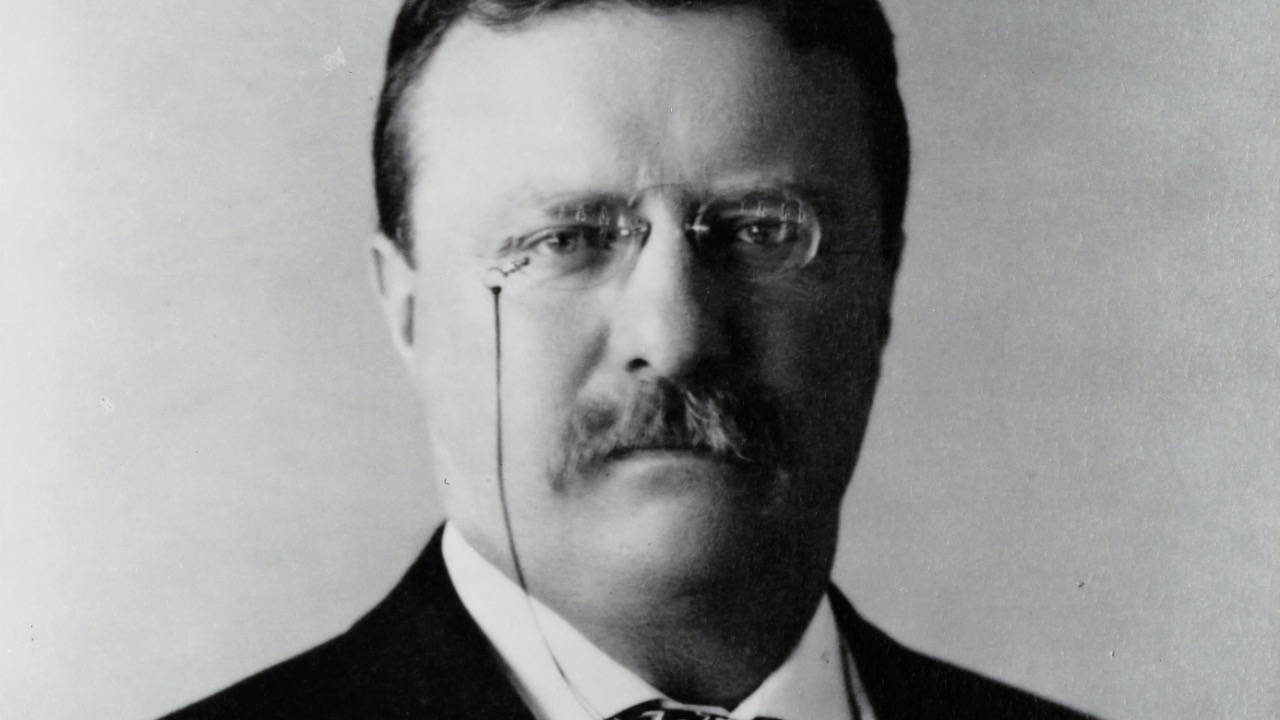
3) Theodore Roosevelt
Theodore Roosevelt stands out as a president whose public identity was inseparable from firearms. Contemporary research notes that, Unlike Wilson, Roosevelt was widely known as an avid big‑game hunter with a large personal firearms collection, including rifles that later sold for more than one million dollars at auction. His frontier image, from the Rough Riders to African safaris, normalized the idea of presidents as confident, responsible gun owners.
Roosevelt’s enthusiasm for hunting and marksmanship also intersected with conservation and national defense. He promoted rifle practice among civilians and soldiers, arguing that accurate shooting was a civic skill. For gun‑rights supporters, his legacy illustrates how a president can champion both wildlife protection and a strong gun culture, rejecting the notion that environmentalism and firearm ownership must be in conflict.
4) Abraham Lincoln
Abraham Lincoln is rarely discussed in modern gun‑policy debates, yet historical profiles of Gun Guy Presidents highlight his close engagement with firearms technology. As the sixteenth president, he personally tested new rifles and other weapons on the White House grounds, evaluating innovations that might give Union troops an edge. That hands‑on approach reflected a practical respect for firearms as tools of survival in a civil war that determined the nation’s future.
Lincoln’s willingness to experiment with repeating arms and other advanced designs helped accelerate their adoption, indirectly expanding the role of privately manufactured weapons in American life. While he did not articulate a modern Second Amendment philosophy, his presidency underscored how executive decisions about arms procurement and innovation can shape both military outcomes and the civilian gun market for generations.
5) Andrew Jackson
Andrew Jackson’s reputation as a frontier fighter and duelist made firearms central to his public persona. Historical retrospectives on early Presidents and their guns often pair him with other “Gun Guy” leaders because he carried pistols, commanded militia forces, and embodied a rough, armed individualism. His victory at the Battle of New Orleans, achieved with heavily armed volunteers, reinforced the idea that citizen firepower could decisively defend the country.
As president, Jackson’s populist politics aligned with a culture that treated personal arms as symbols of honor and autonomy. Modern gun‑rights advocates sometimes invoke his era as one in which federal power remained limited and firearm ownership was largely unregulated, illustrating how historical memory of Jacksonian democracy still informs arguments against expansive national gun control.
6) Ronald Reagan
Ronald Reagan occupies a complex but important place in gun‑rights history. As a former governor and later president, he cultivated an image of rugged individualism that resonated with firearm owners, often celebrating Western heritage and self‑reliance. His administration opposed sweeping federal bans on common civilian weapons, and he spoke frequently about the importance of constitutional liberties, including the right to keep and bear arms, as bulwarks against overreaching government.
At the same time, Reagan supported some targeted regulations, such as background checks for certain purchases, illustrating how a president could be broadly aligned with gun rights while accepting limited controls. For stakeholders, his record shows that political alignment with the Second Amendment can coexist with selective support for measures framed as crime‑fighting tools rather than broad restrictions on lawful ownership.
7) George W. Bush
George W. Bush strengthened institutional ties between the presidency and gun‑rights constituencies. As a candidate and then president, he endorsed the view that the Second Amendment protects an individual right, a position that later gained traction in Supreme Court jurisprudence. His administration allowed the 1994 federal assault weapons ban to expire, a decision widely interpreted by gun‑rights advocates as a refusal to extend what they saw as ineffective and overly broad restrictions.
Bush’s personal background as a Texas governor who hunted and handled firearms comfortably also mattered symbolically. For many gun owners, seeing a president who treated guns as normal tools of sport and ranch life reinforced cultural acceptance of everyday carry and recreational shooting. His tenure helped normalize the idea that mainstream national politicians could openly court gun‑rights groups without marginalizing themselves.
8) Donald Trump
Donald Trump is one of the clearest modern examples of a president tightly aligned with organized gun‑rights forces. Today, National Rifle leaders, through the Political Victory Fund, have described themselves as honored to announce full endorsement of President Trump, framing his elections as victories for the Second Amendment. That level of institutional backing signals unusually close alignment between a sitting president and a major gun‑rights lobby.
Trump’s own rhetoric has been explicit. In one interview he said, “We have a Second Amendment and a right to bear arms,” adding that he was “very strongly an advocate of that” and that people “need it for protection.” For stakeholders, those statements, combined with policy appointments and judicial nominations favored by gun‑rights groups, make Trump a central figure in contemporary Second Amendment politics.
9) Early pre‑1930 presidents as a group
Before the modern regulatory era, Depends on how one evaluates legislation, but one analysis notes that most presidents before 1930 were indifferent to gun control and therefore effectively favorable to gun rights. With no federal background checks, licensing systems, or national registries, presidential administrations rarely sought to limit civilian access to common firearms, leaving regulation to scattered local ordinances.
Because Most of these leaders neither proposed nor signed sweeping gun restrictions, their collective impact was to preserve a permissive national baseline. For modern advocates, that long stretch of relative federal inaction is often cited as historical evidence that robust private gun ownership is not a recent anomaly but a default condition of American political life, only later challenged by twentieth‑century regulatory experiments.
10) Presidents who paired gun rights with regulation
Some presidents aligned with gun rights have also argued that certain regulations can coexist with constitutional protections. Legal scholarship on how effective gun regulation can be compatible with gun rights highlights this tradition, noting that leaders have sometimes backed measures like licensing or restrictions on especially dangerous weapons while affirming an underlying right to keep and bear arms. These presidents see no contradiction between supporting responsible ownership and endorsing targeted safeguards.
That blended approach matters for stakeholders because it shapes the policy space in which compromise is possible. When presidents frame regulation as a tool to protect, rather than erode, lawful gun ownership, they can appeal to voters who value both safety and liberty. This strand of presidential leadership suggests that alignment with gun rights need not mean categorical opposition to every form of gun law.

Asher was raised in the woods and on the water, and it shows. He’s logged more hours behind a rifle and under a heavy pack than most men twice his age.