The 5 Main Shotgun Loads — What Each One Is Actually Designed For
The 5 Main Shotgun Loads — What Each One Is Actually Designed For
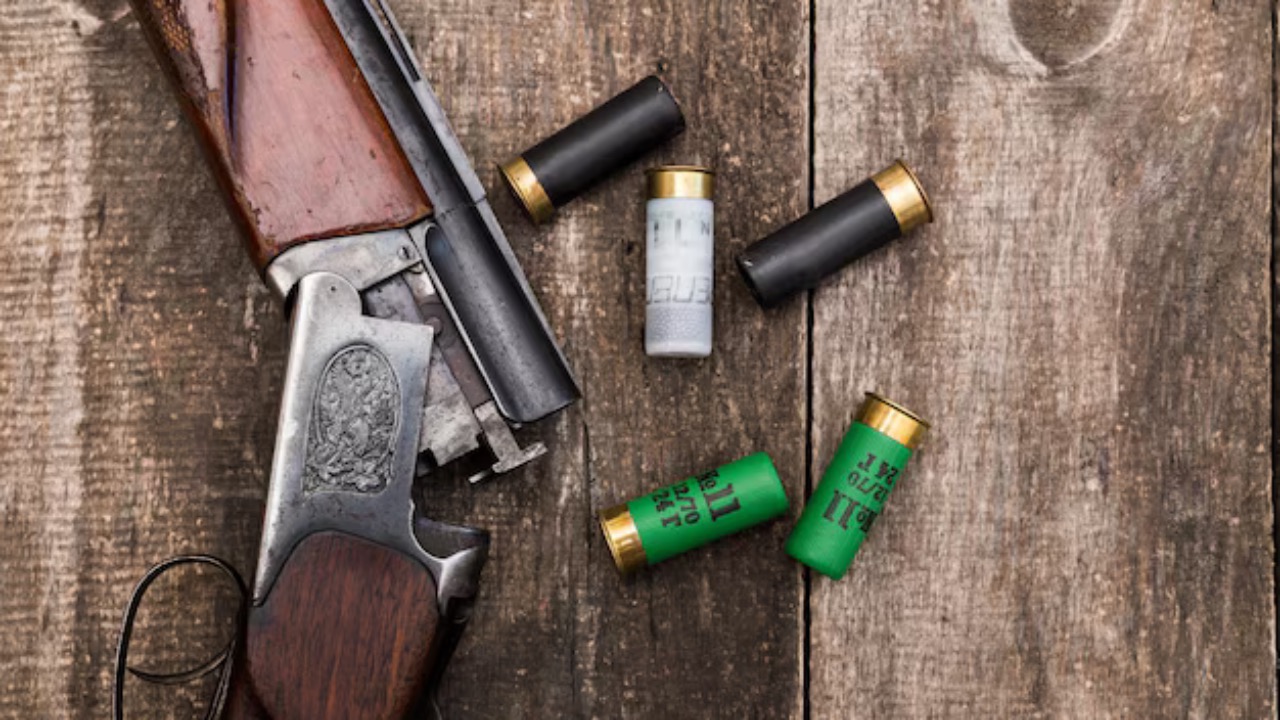
Walk into any sporting goods store and the shotgun ammo aisle can feel like a wall of numbers and fine print. You’ll see different shot sizes, payload weights, velocities, and shell lengths stacked shoulder to shoulder. But when you strip away the marketing language, shotgun loads fall into a handful of core categories. Each one was built with a specific job in mind.
If you understand what each load was designed to do, you’ll make better choices in the field. You’ll pattern smarter, hunt cleaner, and avoid asking a shell to do something it was never meant to handle. Here’s what the five main shotgun loads are actually built for.
Birdshot
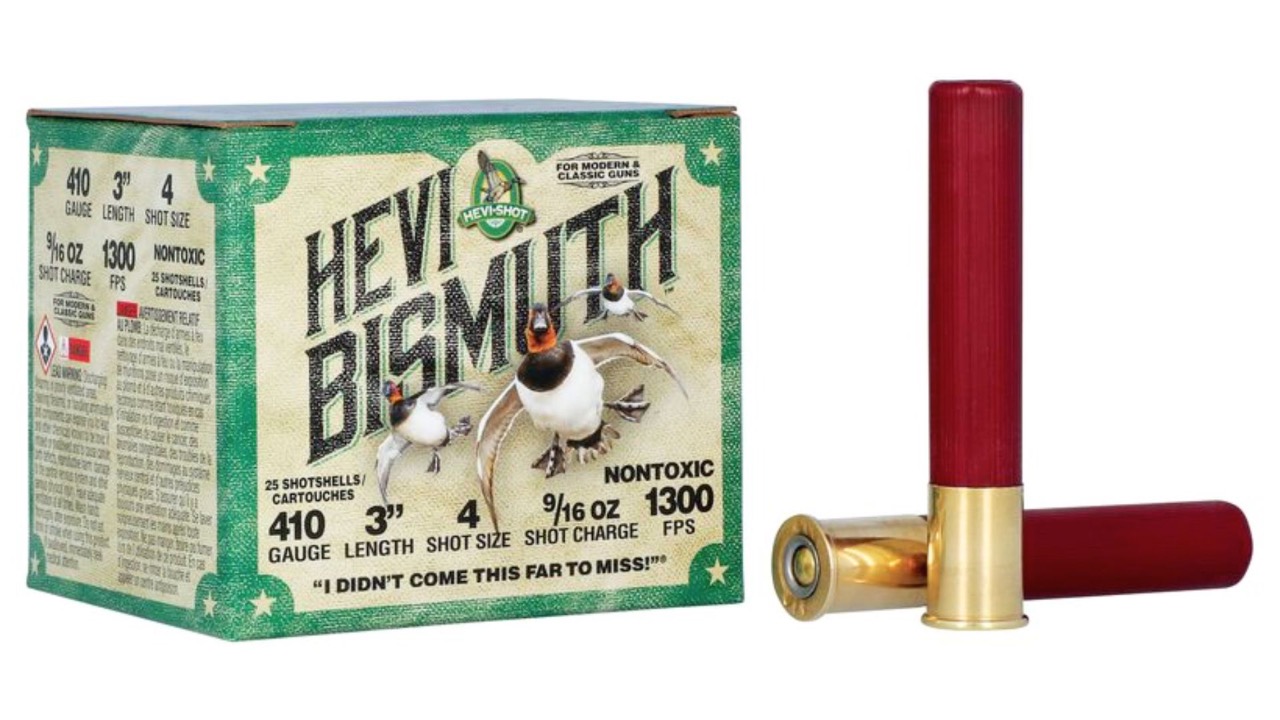
Birdshot is built for wingshooting and small, fast-moving game. Think dove fields, early-season teal, woodcock in tight cover, or flushing quail over a pointing dog. The small pellets—often ranging from No. 9 down to No. 4—create dense patterns that increase your odds on fast targets. You’re throwing a cloud of shot, not aiming a single projectile.
What birdshot is not designed for is large-bodied game or defensive work. Those tiny pellets shed energy quickly and lack deep penetration. Inside 40 yards on birds, it performs exactly as intended. Beyond that, pattern density thins out and energy drops fast. Its role is clean kills on small game with minimal meat damage. Nothing more.
Buckshot
Buckshot was developed for medium-sized game and close-range defensive use. Instead of dozens or hundreds of tiny pellets, you’re launching a smaller number of large lead balls. Loads like 00 buck or No. 1 buck are common because they balance pellet count and penetration.
This load shines inside typical shotgun distances—often 40 yards and under, depending on choke and pattern. It’s designed to hit hard and penetrate deeply enough for deer or defensive threats at close range. What it’s not built for is long-range precision. Past its effective distance, patterns open up and pellet placement becomes unpredictable. Buckshot is a short-range tool with serious authority.
Slugs
A slug turns your shotgun into a single-projectile firearm. Instead of a pattern, you’re sending one large chunk of lead downrange. Foster slugs are common for smoothbores, while sabot slugs are designed for rifled barrels and can stretch effective range considerably.
Slugs were built for deer-sized game where rifle use may be restricted. They offer better accuracy and range than buckshot, often effective out to 75–150 yards depending on setup. But they come with heavier recoil and demand more precise aiming. This is not a point-and-swing load. When you chamber a slug, you’re making a deliberate shot, not throwing a pattern.
Steel Shot
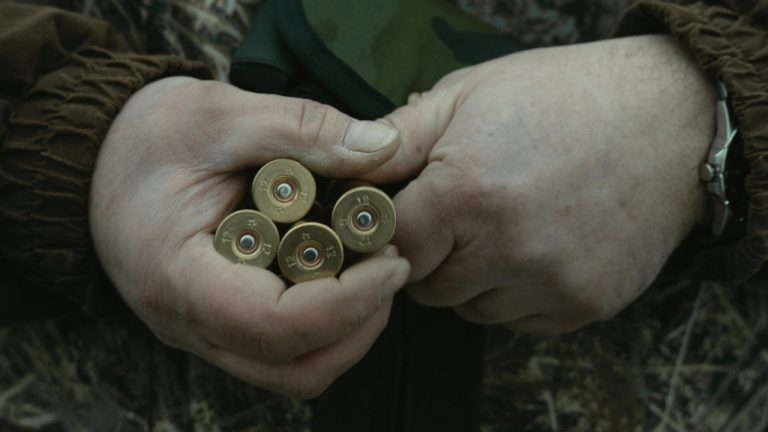
Steel shot exists largely because of waterfowl regulations. Lead is prohibited for duck and goose hunting in the United States due to environmental concerns, so steel became the standard alternative. It’s lighter than lead, which means it loses energy faster and requires higher velocities to compensate.
Because steel is harder than lead, you also need to pay attention to choke selection and barrel compatibility. It patterns differently and doesn’t carry quite the same downrange punch pellet for pellet. Steel was designed to meet legal requirements while still delivering effective performance on waterfowl inside ethical distances. It works well within its limits, but it demands thoughtful setup.
Turkey Loads
Turkey loads are purpose-built for tight, dense patterns at moderate ranges. These shells often use heavier-than-lead materials or buffered shot to keep patterns compact and lethal at 40 yards and sometimes beyond. The goal is a concentrated hit to the head and neck of a stationary bird.
Unlike upland loads, turkey shells aren’t meant for swinging shots or flushing birds. They’re engineered for controlled, deliberate shooting from a steady position. Recoil can be stout, and pattern testing is essential. This load was designed for precision pattern density, not versatility. When you squeeze the trigger on a gobbler, you’re relying on that tight pattern to do one job extremely well.
Understanding these five core shotgun loads keeps you from forcing the wrong shell into the wrong role. Shotguns are versatile, but each load has boundaries. When you match the shell to the task, everything works the way it was meant to.

Asher was raised in the woods and on the water, and it shows. He’s logged more hours behind a rifle and under a heavy pack than most men twice his age.