The ammo choice that sounds smart but causes problems in the field
On paper, the logic sounds tidy: full metal jacket handgun rounds are cheap, feed reliably, and hit where the sights point. For many new carriers, that makes FMJ seem like the smart, no‑nonsense choice for a defensive gun. In real confrontations, however, the same traits that look efficient on a spec sheet can turn into medical, legal, and tactical problems.
The gap between theory and reality is not just about ballistics charts. It runs through how bullets behave in human tissue, how they move through drywall and car doors, and how prosecutors or civil attorneys may frame a shooting afterward. The ammunition that seems rational in a store aisle can be the one that creates the most risk once a trigger is pulled.
The appeal of FMJ and why it seems “smart”
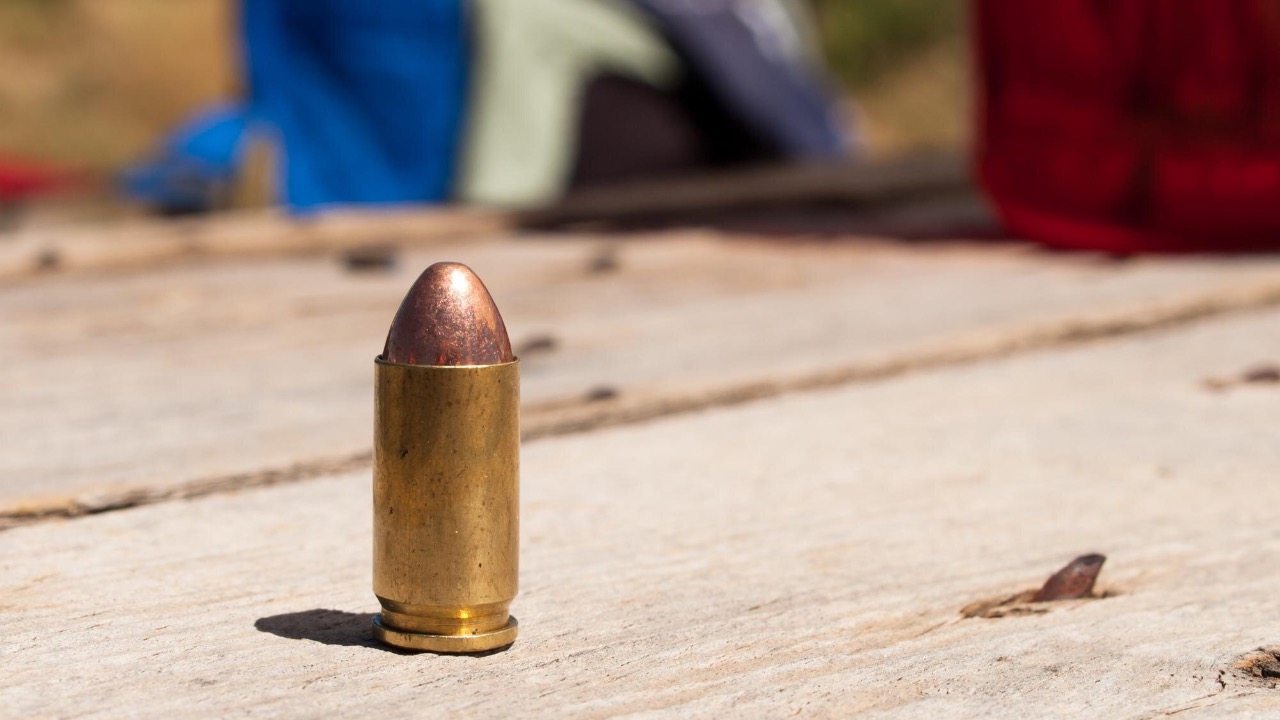
Full Metal Jacket, often shortened to FMJ, wraps a lead core in a harder metal jacket. That design keeps the bullet intact through feeding and impact. Guides on handgun ammunition describe FMJ as Ideal for target practice because it is economical and reliable, while hollow point designs are framed as the better choice for stopping threats.
Cost is the first hook. Bulk packs of FMJ are usually significantly cheaper per round than premium defensive loads. For a new carrier who just paid for a pistol, holster, class, and permit fees, it can feel sensible to carry the same inexpensive ammunition used on the range. Reliability is the second hook. Discussions of FMJ emphasize Reliable Feeding The as a primary advantage, since the smooth profile tends to glide from magazine to chamber without hang‑ups.
There is also a cultural factor. Military sidearms have historically used FMJ because of treaty obligations and logistics. Many civilians see that and assume that if it is good enough for service pistols, it should be good enough for personal defense. Training classes often run entirely on FMJ as well, which reinforces the sense that it is the “default” bullet.
On the surface, then, FMJ looks like the rational, unsentimental choice: it is cheap, feeds well, and has a long record on the range. The problem is that none of those strengths address what actually matters when a bullet leaves a muzzle in a crowded parking lot or hallway.
The physics problem: over‑penetration and narrow wounds
FMJ’s metal jacket is designed to keep the bullet from deforming. That is ideal for punching clean holes in paper or steel, but it is a liability in tissue. Ballistics discussions of FMJ warn that these bullets are prone to over‑penetration, meaning they can pass through a human attacker and keep going with enough energy to injure someone behind.
Self‑defense guides note that They, meaning FMJ rounds, tend to They, FMJ exit a target and can still penetrate walls, doors, or furniture. In a home or apartment, that trajectory can easily intersect a family member or neighbor. On a street, it can reach a bystander across a lane of traffic.
Even when an FMJ bullet stays inside the body, its wound profile is often less effective at stopping a threat. Analyses of wound ballistics point out that a typical Wound Channel from FMJ is relatively narrow. One guide explains that Wound Channel, FMJ bullets usually create a slimmer path through tissue compared with expanding bullets, which can allow an attacker to stay on their feet longer even after being hit.
That combination, a bullet that passes through easily yet does not transfer much energy into the target, undercuts the core goal of defensive shooting. The shooter wants to stop a lethal threat quickly while limiting danger to everyone else. FMJ’s physics push in the opposite direction.
Why hollow points and soft points behave differently
Expanding bullets are engineered around a different priority. Instead of staying sleek and intact, they are meant to deform and grow wider when they hit soft tissue. Guides on 9 mm ammunition state that for self‑defense, hollow point or soft point rounds are the best choice because they expand on impact, create larger wound channels, and are less likely to over‑penetrate, which makes them safer in home defense scenarios.
Soft point bullets follow a similar logic. Ballistics explanations describe how, While the soft point essentially puddles into a flat mass, a hollow point bullet blossoms outward. While the, Both designs aim to get as wide as possible inside the target. The result is more energy dumped into the attacker and a higher chance that the bullet stops inside the body instead of exiting.
Self‑defense instructors frequently point to jacketed hollow point loads as the standard. One training‑oriented guide notes that a good defensive round, often a Jacketed hollow point, must function reliably in the firearm and hit where the shooter aims, while also expanding consistently. That balance of reliability and controlled expansion is what FMJ lacks.
The contrast is stark: FMJ prioritizes penetration and structural integrity, which helps on the range. Hollow point and soft point bullets prioritize controlled expansion and energy transfer, which helps end a violent encounter faster and keeps the bullet from traveling into unintended spaces.
The legal and ethical stakes of over‑penetration
Ballistics debates often sound abstract until lawyers enter the story. If an FMJ round passes through an attacker and injures a bystander, the shooter can face both criminal and civil consequences. Analyses of self‑defense shootings warn that an FMJ that continues through a target and strikes an unintended person can lead to extensive legal and psychological consequences for the defender who fired that FMJ bullet.
Legal commentary on ammunition control explains that some jurisdictions already treat certain bullet types differently. Overviews of ammunition laws describe how specific designs, such as armor‑piercing handgun rounds, have been restricted or banned in response to public safety concerns, with bullet control debates often citing risk to bystanders and law enforcement officers.
Federal legislative history reflects similar anxieties. Bills such as Discovered and Discovered focused on armor‑piercing and specialty ammunition, and their text highlights fears that certain projectiles could defeat protective gear or pose disproportionate danger in urban settings. While standard FMJ handgun rounds are not armor‑piercing, the same logic about unintended penetration through barriers and into third parties sits in the background of many policy discussions.
Ethically, the question is straightforward. A defender is responsible for every round fired. If an ammunition choice is known to be more likely to exit a body and keep traveling through walls, that choice becomes harder to justify when safer, equally reliable alternatives exist. Civil juries can be unsympathetic to a shooter who selected training ammunition for carry when widely available defensive loads were designed specifically to reduce collateral damage.
The exotic ammo distraction
If FMJ is one problematic extreme, exotic ammunition is the other. Specialty loads promise dramatic effects: bullets that fragment instantly, projectiles that claim to transfer maximum energy with minimal penetration, or rounds marketed as “safer” because they disintegrate. Overviews of exotic ammunition catalog everything from tracer and incendiary rounds to unusual fragmenting and armor‑piercing designs.
Some of these loads do have legitimate niches. Training environments sometimes rely on frangible bullets that break apart on steel to reduce ricochet. Technical guides explain that Frangible ammunition is designed to fragment upon impact with hard surfaces, which makes it useful in shoot houses or close‑range steel drills. Ballistics references on Frangible Ammonote that these bullets are built to disintegrate on impact with hard targets, not to behave predictably in soft tissue.
Marketing sometimes blurs that distinction and presents frangible or other exotic rounds as superior for self‑defense. Yet training‑focused commentary stresses that a good defensive round must function in the firearm, hit to point of aim, and perform consistently in tissue. Exotic bullets often lack the deep testing record that mainstream jacketed hollow points have accumulated through law enforcement use and independent gelatin work.
Cost and availability also cut against exotic choices. Eco‑friendly and specialized ammunition, such as biodegradable shotgun shells, often comes at a premium price compared with standard loads. One review of a 12 gauge hunting shell notes that Cost, Eco ammunition often sits well above conventional options. That premium can discourage regular practice with the same load that a shooter carries, which undercuts consistency.
Companies such as Allegiance position themselves around specialized ammunition solutions and emphasize a commitment to safety and performance for users seeking niche capabilities. Product descriptions explain that Allegianceproducts are marketed to those who want specialized performance. For ordinary concealed carriers, however, the question is not whether a round is unique, but whether it has predictable behavior in the messy conditions of real‑world violence.
Legal lines around specialty and “safer” ammo
Law is often slower than marketing, but it eventually catches up. Guides to ammunition restrictions describe how some states and cities limit armor‑piercing, tracer, or incendiary rounds, and how federal law distinguishes certain handgun projectiles as prohibited for civilians. Overviews of illegal ammo types for civilians in 2026 highlight categories such as armor‑piercing handgun bullets that are off‑limits, while also noting that many common defensive designs remain legal.
Retailers and trainers therefore advise shooters to avoid ammunition that sits near regulatory gray zones. A specialty bullet that looks impressive in a marketing video but resembles armor‑piercing construction can create headaches if a prosecutor decides to frame it as reckless or malicious. By contrast, mainstream jacketed hollow point loads that are widely issued to police officers are easier to defend as a reasonable choice.
Legal context also matters for frangible and other “safer” rounds. Some indoor ranges require frangible ammunition on steel targets, but that does not automatically mean these bullets are ideal for carry. Guides that ask whether frangible ammo should be used for self‑defense tend to come back to the same point: a defensive bullet must be reliable, must hit to the sights, and must perform consistently in soft tissue, not just on steel.
Noise, recoil, and the search for the perfect compromise
New shooters often look for a single round that is quiet, soft recoiling, low in flash, and still effective. Online discussions about how to choose a firearm and ammunition combination that is less painfully loud but still effective for shooting show how many people try to balance comfort with performance. Contributors on question‑and‑answer forums debate calibers, barrel lengths, and ammo choice, often circling back to standard pressure loads and quality ear protection rather than exotic bullet designs.
Community threads on gun shop sites echo the same theme. Customers ask whether they can carry the same FMJ they practice with, or whether they need to buy a separate box of hollow points. Responses usually highlight the difference between training and defensive roles, pointing to the over‑penetration and narrow wound channels associated with FMJ and the controlled expansion of hollow points.

Leo’s been tracking game and tuning gear since he could stand upright. He’s sharp, driven, and knows how to keep things running when conditions turn.