The ammo shortage lesson many shooters overlooked last time
Empty shelves and rationed boxes of cartridges were a wake-up call for a lot of shooters. The last big crunch exposed how fragile the ammo pipeline really is and how quickly a normal season of practice, matches, and hunting can fall apart when that pipeline kinks. The lesson many people missed is that this was not a one-off fluke, it was a stress test that showed exactly where individual habits and the broader supply chain will fail next time.
I watched friends cancel hunts, skip matches, and park rifles because they could not feed them, while a smaller group kept shooting almost like nothing had changed. The difference was not luck. It was how they had prepared, what they shot, and how they thought about ammo long before the panic started.
What really caused the last shortage
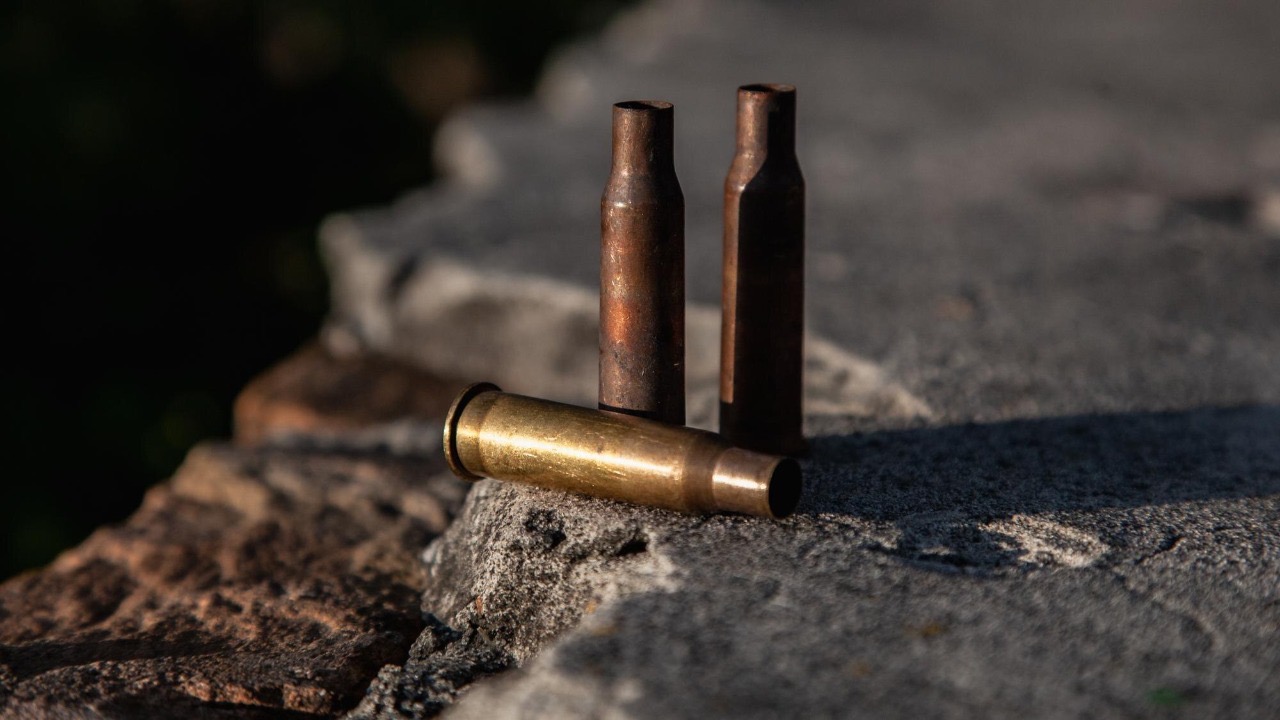
Most shooters blamed the last ammo crunch on politics or panic buying, but the roots ran deeper. When As the COVID lockdowns began, demand for guns and ammunition spiked at the same time factories were dealing with health restrictions, labor issues, and raw material bottlenecks. Background checks surged, with 3,740,688 NICS checks in a single month, a concrete sign that millions of new buyers were suddenly competing for the same pool of cartridges that existing shooters relied on for practice and hunting, and manufacturers were already running flat out when that wave hit.
On top of that demand shock, the industry was still digesting earlier disruptions. Another factor which added to the shortage was COVID-19 and the pandemic hitting overseas suppliers, with Russian factories in particular struggling to keep product flowing into the U.S. market. At the same time, long standing brands were trying to restart or expand production, as highlighted when Remington Returns and The Revival Of An Ammunition Giant were discussed alongside a segment where a shop made 10,000 Rounds in a day to show how far even aggressive output still lagged behind demand. The empty shelves were less about a single headline event and more about a system that had no slack when everything went sideways at once.
How demand outpaced even record production
From the outside, it was easy to assume factories had simply slowed down. Inside the industry, the story was the opposite. Some manufacturers were running around the clock, adding shifts and new lines, yet Some were still warning that it could take years for supply to catch up. Retailers like Wexler described customers lining up the moment a shipment arrived, while large online sellers such as Lucky Gunner reported traffic and order volume at levels they had never experienced before, even as they pushed every pallet they could get out the door.
That mismatch between production and demand showed up most painfully right before hunting seasons. As the gun deer season approached in many states, hunting ammunition was still hard to find, with store managers pointing to lingering COVID supply chain problems and a surge of new gun owners who were buying whatever they could get. The result was a market where even when factories were shipping more cartridges than ever, the shelves still looked bare because every case was spoken for before it left the loading dock.
The calibers that disappeared first
One of the clearest lessons from the last crunch was that not all calibers are equal when things get tight. When the shortage started, people were buying up centerfire ammo in the most common semi auto and defensive chamberings, including 223, 7.62×39, 9mm, 40, and 45, and those loads vanished first. Once those staples were gone, the panic spilled over into less common cartridges, leaving only oddball offerings and small piles of random ammo that did not match what most shooters actually owned.
Hunting and crossover calibers felt the squeeze too. While uncommon for hunting, 5.56 is a popular caliber for many sporting shooters and is also the caliber of many NATO rifles, so military and training needs soaked up a huge share of that production, leaving very little available for consumers. Even when new capacity came online, such as First Breach focusing on high demand 9 mm and 5.56 NATO loads, the priority was feeding the biggest markets first, not niche cartridges. The shooters who had built their battery entirely around those high demand rounds were the ones who found themselves sidelined the fastest.
Why “hoarders” were not the real problem
Every shortage brings out the finger pointing, and last time a lot of that anger landed on so called hoarders. I heard the same story in clubhouses and online: if a few greedy shooters would stop buying cases at a time, there would be plenty for everyone. But when you look closer, the people labeled as hoarders were often the ones who had been quietly building a cushion for decades. One longtime shooter put it bluntly, saying Trapshooting aside, he had stockpiled ammo of different calibers his whole life and that if someone was not prepared, that was their own fault, a mindset that sounds harsh until you remember how often we preach the same thing about food, fuel, and first aid in the backcountry.
Another cowboy action shooter admitted, Yes, he was a hoarder when it came to cowboy action stuff, with Lots of brass stacked up and more still in his garage, but he had done that long before the shelves went bare. Those stashes did not cause the shortage, they revealed who had been treating ammunition as a consumable to be replaced one box at a time and who had treated it as a critical resource that needed depth. The real pressure came from millions of new buyers and a fragile supply chain, not from the handful of shooters who had quietly filled their shelves back when prices were normal and nobody cared how many primers they owned.
The supply chain fragility shooters ignored
Most of us think about ammo in terms of brass, bullets, powder, and primers, but the last crunch showed how many other links can snap. The fallout from a single industrial fire in another sector, analyzed by Andrei Grskovic as part of the SPS Technologies story, highlighted how concentrated some supply chains have become and how a disruption at one plant can ripple across tiers and exacerbate risks around OEMs ability to re ramp. That same pattern exists in ammunition, where a small number of facilities produce key components like primers and specialty alloys, and any hiccup there can choke output for months.
Inside the loading room, the picture is no less fragile. As Joel Hodgdon pointed out, your press, your dies, and your dispenser are no good without powder, primers, and brass to run through them, and even big powder companies have struggled to keep up with demand for loaded ammo and reloading components at the same time. On the retail side, About Ammunition Depot shows how a single large online operation, Founded in 2011 and now one of the biggest suppliers of ammunition and tactical gear in the United States, can become a critical node. When a few of those big hubs run dry, the impact is felt nationwide, even if smaller local shops still have a few oddball boxes on the shelf.
How retailers and manufacturers adapted
While shooters were scrambling, the business side of the industry was learning its own lessons. Trade analysts urged dealers to prepare to meet the needs of three distinct customer groups, from new gun owners to high volume competitors, and to think ahead about how to keep a future drought from happening again. Some shops shifted to tighter rationing, others leaned into backorder systems, and many started communicating more openly about what was coming in and when, instead of letting rumors drive expectations.
Manufacturers, for their part, invested in new capacity and tried to spread risk. First Breach, a brand new U.S. ammunition manufacturer, entered the market with a focus on high demand cartridges like 9 mm and 5.56 NATO, a move that can only be good news for consumers who rely on those loads. At the same time, long established plants in places like Arkansas where Remington operates came back online and ramped up, helping to ease some of the pressure. Yet even with those gains, Retailers were still reporting that they could not keep shelves stocked, a reminder that structural changes take time and that shooters cannot assume the industry will bail them out overnight when the next wave hits.
The overlooked personal lesson: plan like a reloader
The shooters who weathered the last crunch best tended to think like reloaders, even if they did not all handload. When the Great Ammunition Shortage began in earnest, hunters who already had components and a bench were in good shape, while everyone else was out of luck. They had treated ammo as a seasonal chore, buying a box or two before deer season and assuming there would always be more. The reloaders had treated it as a year round project, building inventory when prices were low and shelves were full.
That mindset is worth copying even if you never pull a handle. A smart shooter looks at their calendar and asks What calibers do you shoot, How much do you really burn in a year, and how much money can you realistically set aside to build a buffer before the next crunch. They pay attention to which powders they use, which primers their loads depend on, and whether they have enough brass to keep their rifles and pistols fed if loaded ammo dries up. They also recognize that Another shock, whether from COVID, a geopolitical event involving Russian suppliers, or a domestic factory issue, can hit without warning, and they would rather be the person quietly rotating through a well stocked cabinet than the one driving town to town begging for a single box of soft points.
Practical steps shooters can take now
Planning ahead does not mean panic buying, it means building a steady, realistic cushion. One practical approach is to follow the kind of advice summed up in Major Ammo Shortage warnings that urge shooters on the Horizon to think about Here and How they Prepare. Stock Up Now does not mean clearing out the local shop, it means adding a box or two to every normal purchase, setting a target number of rounds per caliber that covers at least a season or two of your typical use, and sticking to it. Joining a shooting club, tracking your round count, and learning to conserve ammo through smarter drills instead of mag dumps all stretch that cushion further.
It also pays to diversify. If all your rifles are chambered in the same high demand round, you are at the mercy of that one supply stream. Adding a second hunting rifle in a less trendy caliber, or keeping a .22 trainer ready for most of your practice, gives you options when 5.56 or 9 mm dries up. Looking ahead, some analysts are already asking Is there a major ammo shortage coming and urging shooters to think about What they shoot and How they budget before the next crunch. The shooters who take that seriously now will be the ones still punching paper and punching tags when everyone else is refreshing inventory pages on their phone.
What I will do differently next time
Watching the last shortage unfold changed how I handle my own ammo. I no longer assume that because hunting ammunition shortage eases for now, the problem is solved. I treat those calm periods as my chance to top off, standardize, and clean up my system. I keep a written inventory of what I have in each caliber, how many rounds I burn in a typical month, and which loads are mission critical for hunting, defense, and competition. When I see gaps, I fill them slowly and deliberately instead of waiting until the week before a trip and hoping the local shop has my favorite bullet weight in stock.
I also pay closer attention to the broader signals. When industry leaders talk about the fallout from fires, supply chain concentration, or the struggle to keep up with demand for loaded ammo and components, I listen. When I hear that Some manufacturers are saying maybe it will take a couple of years to fully catch up, I do not shrug and assume that will not affect my fall elk tag or my kid’s first trap league. The real lesson many shooters overlooked last time is that ammo is not a given. It is a resource that rewards planning, patience, and a little humility about how small we each are in a very big, very stressed system.

Asher was raised in the woods and on the water, and it shows. He’s logged more hours behind a rifle and under a heavy pack than most men twice his age.