The Choice That Separates Casual Shooters From Serious Ones
On any firing line, most people focus on caliber, optics, or the latest trick trigger. Yet the quiet divider between someone who dabbles and someone who improves week after week is much simpler: how seriously they treat comfort and structure at the range. The shooters who progress fastest are usually the ones who treat their environment, routine, and mental state as deliberately as their gear.
Comfort here is not about plush chairs or air conditioning, it is about building a repeatable, low‑stress setup that lets skill show through. From how a lane is organized to how a practice session is scored, the choice to systematize comfort is what separates casual visitors from people who are genuinely training.
From “just shooting” to structured sessions
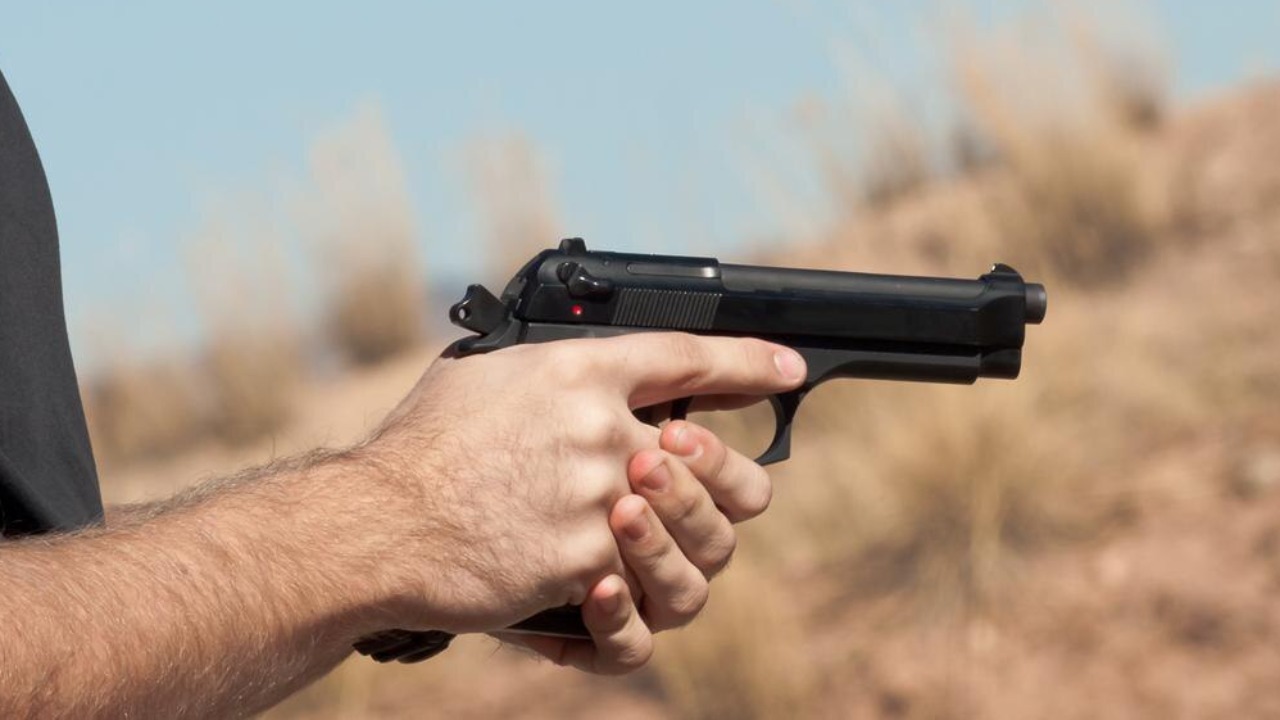
Most new shooters arrive at a range, buy a box of ammunition, and start sending rounds downrange with no real plan. That is the firearms equivalent of booting up a game, jumping into a random lobby, and calling it practice. In competitive gaming circles, people draw a clear line between casual and serious players by how intentionally they use their time, with one Quora breakdown describing a Casual gamer as someone who plays “Whenever I am free or feel like playing” and a Hardcore player as someone who logs “2–3 hours a day, every day of the week.” The same logic applies on the range: the more deliberate the schedule and goals, the more likely someone is to be serious about their craft.
At a shooting range, that seriousness shows up as written drills, defined round counts, and a clear focus for each visit, rather than vague hopes of “shooting better.” Competitive gamers talk about how While strategizing and coordinating is central to competitive play, a casual gamer “does not agree” that everything must revolve around winning. On the firing line, the equivalent is the shooter who tracks hits, times reloads, and repeats the same course of fire until it is clean, instead of simply burning ammunition for entertainment.
Borrowing the “sweat” mindset without burning out
In Gen Z gaming slang, calling someone a “sweat” is shorthand for a player who is relentlessly competitive and willing to put in uncomfortable effort to win. One guide explains that Sweat When someone uses that label, they mean the player is “highly competitive, putting immense effort into the game,” in contrast to the “casual games for less serious players.” On the range, the equivalent is the shooter who is willing to be uncomfortable in the short term, drilling fundamentals and accepting slow progress, in order to build long term consistency.
Yet the best shooters are not miserable. They build comfort into their routine so that the “sweaty” work is sustainable. That might mean choosing a quieter time of day to avoid distractions, or setting up a familiar sequence of warm‑up drills that ease them into higher pressure work. Just as competitive gamers carve out dedicated practice blocks separate from relaxed play, serious shooters separate focused training from social plinking, so the pressure to perform does not overwhelm the simple enjoyment that keeps them coming back.
Game design, range design, and how structure shapes behavior
Design choices in games quietly steer players toward either relaxed fun or high stakes competition, and range layouts do something similar. In online debates about what makes a shooter “casual,” players point to mechanics like generous aim assist, forgiving recoil, and fast respawns as features that lower the skill floor and invite experimentation. One discussion of what makes a shooter casual highlights how some titles smooth out difficulty so that even new players can land hits and enjoy themselves, in contrast to more punishing systems that demand mastery of recoil and movement, a distinction that echoes through PC gaming forums.
On a physical range, the analogues are target distance, time pressure, and how feedback is delivered. A facility that only offers static paper at short range, with no timers or scoring, naturally encourages a casual, unstructured style of shooting. By contrast, a range that supports movement, varied target sizes, and formal courses of fire nudges people toward more competitive habits. The choice a shooter makes about which environment to frequent, and how they use it, is effectively a vote for whether they want their practice to feel like a relaxed arcade or a demanding simulation.
Comfort as a performance tool, not a luxury
Comfort at the range is often misunderstood as indulgence, but in performance terms it is closer to a tool. In basketball, coaches talk about how elite shooters like Klay Thompson build routines that extend beyond raw talent, using consistent pre‑game habits and mental preparation to separate “good players from great ones.” The same principle applies on the firing line: a shooter who always sets up their gear the same way, checks stance and grip before each string, and controls their breathing is not pampering themselves, they are creating a stable platform for performance.
That kind of comfort is built, not bought. It includes choosing ear and eye protection that fit well enough to disappear from conscious thought, adjusting bench height so the body is not fighting awkward angles, and even wearing clothing that allows a full range of motion without snagging. When those details are dialed in, the shooter’s attention is freed for sight picture, trigger control, and follow‑through. The decision to invest time in that setup is a hallmark of someone who treats each session as part of a long term progression rather than a one‑off outing.
What competitive games reveal about “serious” structure
Online shooters have spent years arguing about what makes one title more competitive than another, and their conclusions map neatly onto how serious shooters structure range time. In one discussion of first person games, a player named You describes how the ability to place a bomb to blow up a room, or blind fire into uncertain space, adds layers of decision making that reward planning and map knowledge. Those mechanics raise the ceiling for skill expression, much as more complex drills and scoring systems do on a real range.
Another thread on what makes a shooter casual points to titles where weapon accuracy is intentionally low and recoil patterns are fixed, so that players who memorize those patterns and adjust their aim accordingly gain a clear edge. One commenter notes that games like Oct era Counter‑Strike reward players who learn spray patterns and “stutter stepping,” turning what looks chaotic into a highly structured skill. On the range, the equivalent is the shooter who tracks how their sights lift and settle, then builds drills around that behavior instead of accepting recoil as random.
Casual‑competitive conflict and the comfort trade‑off
There is a long running tension in game communities between players who want depth and those who want accessibility, often framed as a casual versus competitive conflict. One analysis of Game Mechanics notes that the Hardcore view treats added systems as a way to deepen gameplay once basics are mastered, while more casual players may see the same layers as barriers. On the range, more complex drills, tighter scoring, and stricter time standards can feel intimidating to newcomers, even as they are exactly what serious shooters seek out.
Comfort sits in the middle of that conflict. A range that only offers highly structured, competition style stages may alienate people who simply want a safe place to learn. Yet a facility that never challenges shooters beyond slow fire at close distance risks trapping them in permanent beginner mode. The shooters who move from casual to serious are usually the ones who accept short term discomfort, like being timed or scored, in exchange for the long term comfort of knowing exactly how they will perform under pressure.
When “fun” turns into frustration: time to kill and tilt
In online shooters, one of the most debated comfort factors is time to kill, often shortened to TTK. One player in a discussion about whether shooters are becoming more rage‑inducing notes that Yep, shorter TTK has shifted the feel of many games, making deaths feel sudden and unfair. Another commenter prefaces a point with “But those are unlocked super early,” arguing that powerful tools arriving quickly can amplify frustration, a sentiment that was later Edited as the conversation evolved.
On the range, the equivalent of TTK is how quickly a shooter moves from slow, comfortable strings to faster, more demanding work. Push too fast and every miss feels like a failure, breeding the same kind of salt that drives gamers offline. Stay too slow and boredom sets in. Serious shooters manage this by ramping difficulty in small, measurable steps, so that each new standard is just beyond their current comfort zone. They also recognize when frustration is spiking and deliberately step back to a simpler drill, treating emotional control as part of the training rather than an afterthought.
Crossroads for competitive shooters, online and on the line
Even at the level of game development, designers are wrestling with how much structure and intensity to demand from players. One recent look at the genre describes how competitive shooters are at a crossroads between “sweaty teamplay” and casual fun, with the outlier Deadlock described as a Dota-adjacent shooter with elaborate movement and “insane” character designs. That kind of complexity appeals to players who want a deep, demanding experience, but it can also intimidate those looking for a quick match after work.
Ranges face a similar fork. Some lean into competition culture, hosting leagues and designing bays around dynamic stages. Others prioritize accessibility, focusing on simple, lane based shooting that feels safe and predictable. The choice an individual shooter makes about where to spend their time, and whether to seek out more demanding environments as their skills grow, is effectively a declaration of intent. Those who gravitate toward the “Deadlock” end of the spectrum, embracing complexity and structure, are usually the ones who end up tracking their progress, entering matches, and treating comfort as a carefully tuned variable rather than a happy accident.
Building a personal system: the quiet decision that matters most
Across all these examples, from esports debates to basketball practice, the same pattern emerges. Casual participants dip in and out when it feels fun, while serious ones build systems that make improvement almost inevitable. In gaming discussions, people describe how competitive players obsess over matchmaking rating and coordinated strategies, while casuals are more likely to log on simply to relax, a divide captured in one analysis that notes that While strategizing is central to one group, the other simply wants “to have a good time.”
On the range, the dividing line is not the price of the rifle or the number of accessories on a pistol. It is whether the shooter has made a conscious choice to design their environment, routine, and comfort level around steady improvement. That might mean keeping a notebook of drills and scores, choosing quieter hours to avoid distraction, or gradually introducing competition style stages that raise the stakes. It is a subtle decision, easy to miss from the outside, but it is the one that quietly separates the weekend plinker from the shooter whose groups shrink, month after month, because their comfort is not an accident, it is a plan.

Leo’s been tracking game and tuning gear since he could stand upright. He’s sharp, driven, and knows how to keep things running when conditions turn.