Ammo choices that affect accuracy more than people think
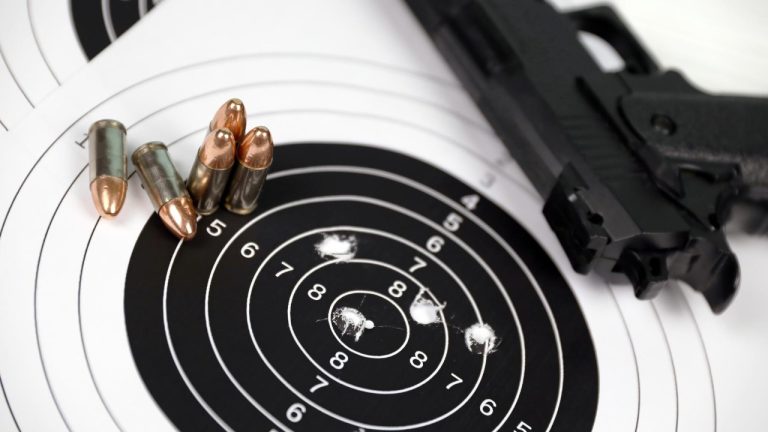
Rifle shooters obsess over barrels, triggers and optics, yet the cartridge in the chamber often does more to decide where a shot lands than any hardware upgrade. Small changes in bullet design, weight, construction and consistency can tighten or blow open groups in ways many people do not anticipate. I have seen rifles transform from “mediocre” to “tack driver” simply by changing the load, which is why understanding how ammunition choices shape accuracy is one of the fastest ways to shoot better.
Accuracy is not just about hitting the target once, it is about putting round after round into the same small area. That repeatability lives or dies on how uniform each cartridge is and how well the bullet matches the rifle and the job at hand. When shooters treat ammo as a commodity instead of a tuned component, they leave easy performance on the table.
Ammo consistency: the invisible driver of tight groups
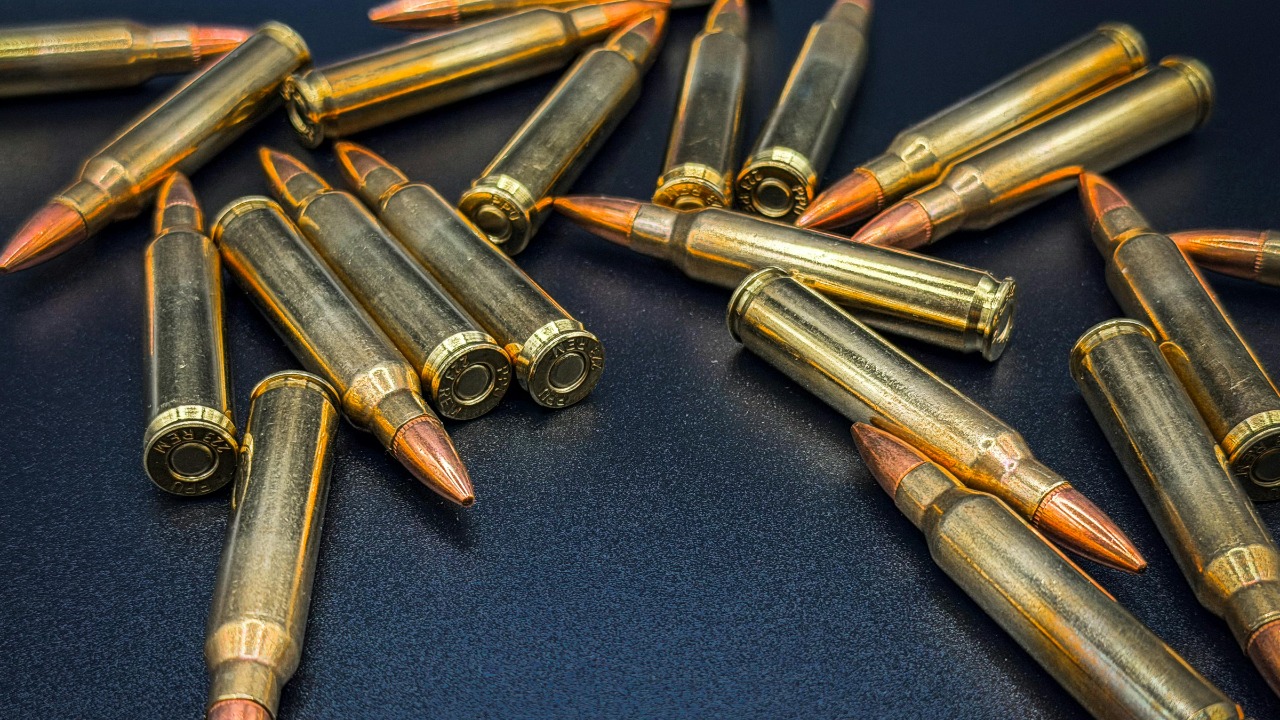
The most overlooked accuracy factor is simple consistency from one round to the next. When powder charges, case dimensions and bullet seating depth vary, the muzzle velocity and barrel vibration change, and the group spreads even if the shooter does everything right. Experienced reloaders in the Comments Section on Jan threads about brand differences keep coming back to this point, arguing that uniformity “in all aspects” is what separates accurate ammunition from the rest.
That same logic applies to factory loads. Long range shooters discussing why ammunition affects accuracy note that People in the precision world pay more for Factory ammo built to tighter tolerances for increased consistency, not because the label is fancy. When every cartridge leaves the muzzle at nearly the same speed and with the same mechanical fit, the rifle’s natural dispersion shrinks, which is why guidance on improving rifle MOA stresses pairing a good barrel, trigger and optics with high quality ammunition if you want reliable performance on the range or in the field.
Bullet design, shape and “inherent” accuracy
Once consistency is under control, bullet design becomes the next big lever. The shape of the projectile, its base and its ballistic coefficient all influence how stable it is in flight and how much it is pushed around by drag and wind. In debates over what makes one caliber or cartridge “inherently” accurate, contributors in a Comments Section thread argue that Ballistic coefficient is a key factor, While other traits matter too, because a more efficient bullet holds velocity and resists disturbances better downrange.
Design details that sound minor on paper can have real effects. Flat base projectiles are easier to manufacture and, as one technical piece notes, Flat base bullets are fairly simple to manufacture compared to boattail bullets, which can translate into very good short range accuracy because the base is uniform. At longer distances, however, a well made Boat Tail design such as the Box Boat Tail bullets used in Berger branded Berger . 308 Win, 175gr, OTM Tactical Rifle Ammunition, 20/Box Boat Tail can provide an aerodynamic advantage as the bullet passes from transonic to subsonic velocities, keeping groups tighter at distance.
Bullet weight, twist rate and stability
Another ammo choice that quietly wrecks accuracy is mismatching bullet weight to barrel twist. A barrel with a slow twist may not fully stabilize a long, heavy bullet, while a very fast twist can overstabilize or stress lighter designs. A detailed stability guide explains that Transonic is the region where bullets transitions from supersonic, through sonic to subsonic velocities, and Long bullets that are only marginally stabilized can suffer from accuracy problems as the bullet destabilizes in that zone.
Practical shooters see the same pattern. In a discussion of how grain weight affects 9 mm performance, one contributor notes that, Generally, given the correct barrel twist to stabilize a longer (ie heavier) projectile, the greater bearing surface on the bullet can improve consistency, but only if the bullet shape and ogive also match the barrel. Video advice on rifle accuracy echoes this, with one Apr Commenting viewer pointing out that not paying attention to twist rates and bullet weights is a big, common mistake that shows up as unexplained flyers on target.
Grain weight, recoil and trajectory tradeoffs
Even when a bullet is stable, its grain weight changes how it flies and how easy it is to shoot well. Heavier bullets usually carry more momentum and can buck wind better, but they also generate more recoil and may have a more arcing trajectory. A technical overview of Accuracy and Ballistic Trajectory notes that the grain weight of a bullet can significantly influence its accuracy and ballistic path, with lighter bullets often shooting flatter at short range and heavier ones sometimes proving more accurate at longer distances.
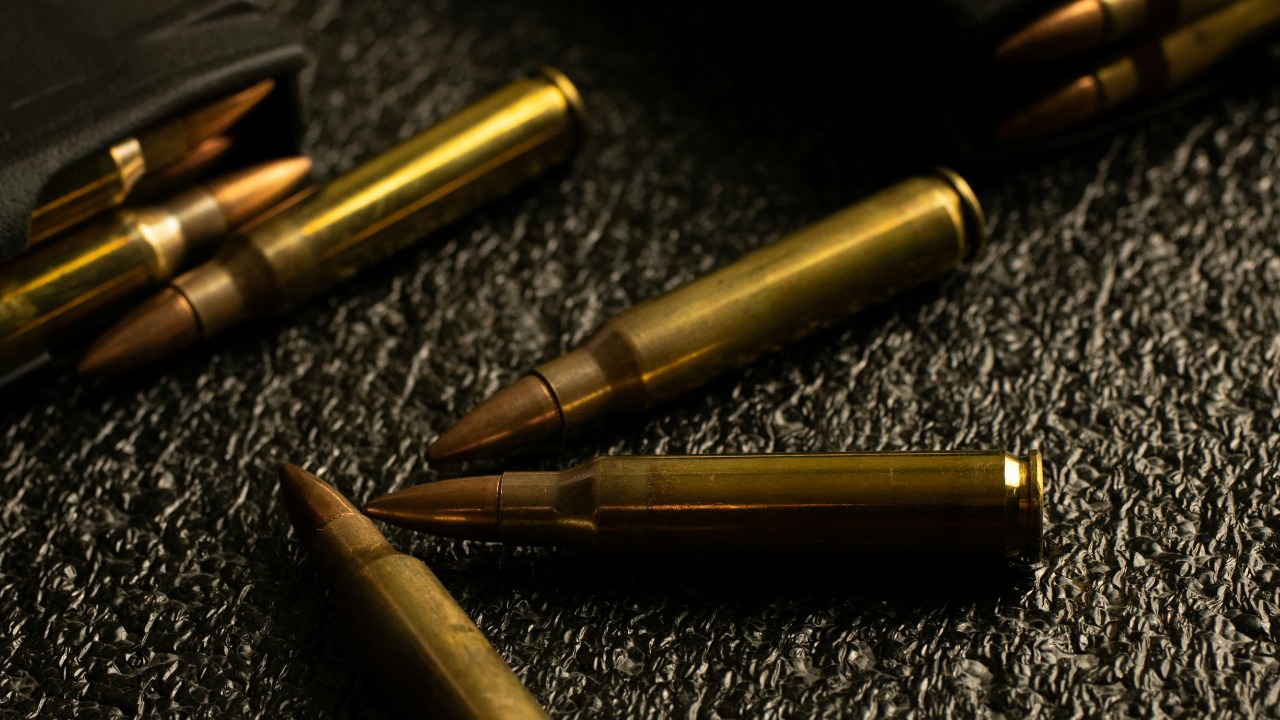
Those tradeoffs show up clearly in common rifle cartridges. One defensive 5.56 load, for example, is described as being Modeled after the M16’s original Modeled 223 Remington ammunition, using a 55 g full metal jacket boat tail (FMJBT) projectile that is optimized for reliable function and specific terminal behavior rather than pure match accuracy. For a hunter or competitor, a heavier match bullet in the same caliber might print smaller groups, but the lighter 55 g FMJBT can still be the better choice for training or certain defensive roles, which is why some instructors in Apr videos about which calibers to stockpile for civilians frame ammo selection around mission first and then Apr cost and availability.
Bullet construction and tip style
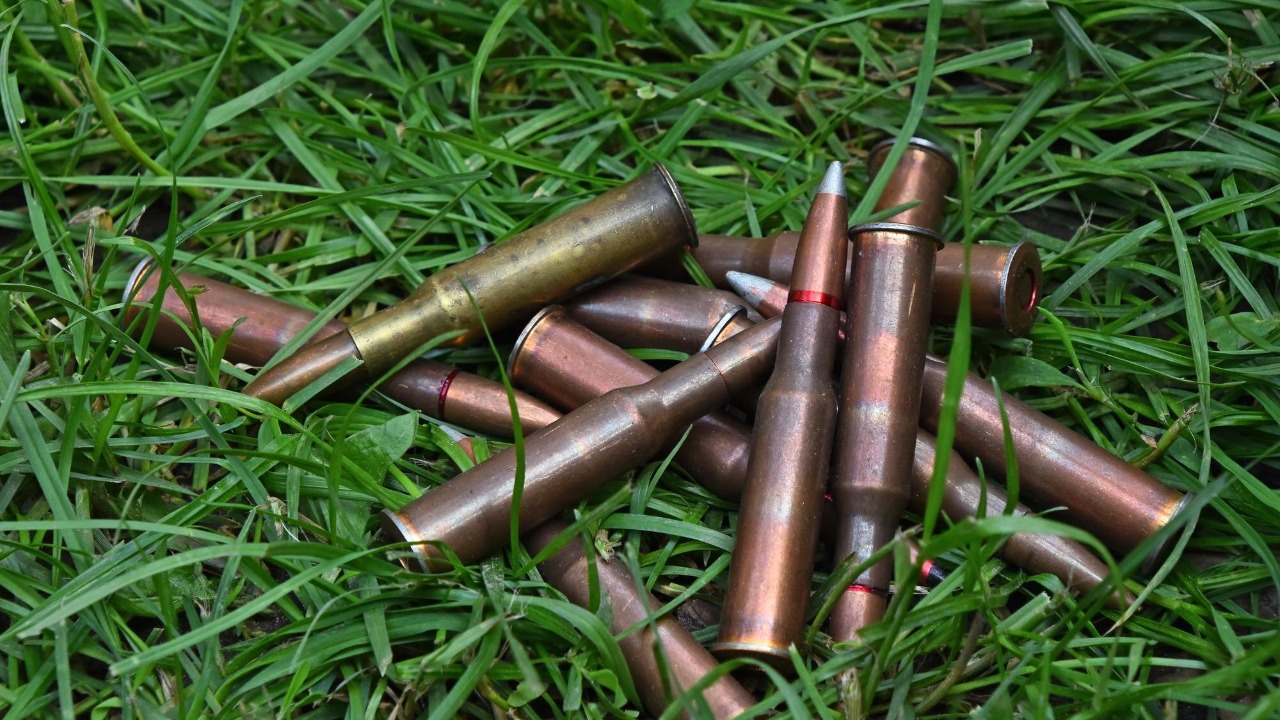
Construction and tip style also play a bigger role in accuracy than many shooters assume. Open tip match bullets, polymer tipped designs and simple full metal jackets all behave differently in the barrel and in flight. A manufacturer overview explains that an Open Tip Bullet (OTM) Offers improved accuracy compared to standard FMJ bullets, especially at long ranges, Though it is not designed to expand like a hunting soft point or ballistic tip.
That distinction matters when you are trying to shrink groups. Precision shooters in the Oct Comments Section of a reloading discussion mention Parratt and others who simply advise, “Buy berger hybrids,” because those match style bullets are engineered for consistent flight and minimal runout. At the same time, a hunting guide on accurate rifles reminds readers that the ammunition you select can significantly impact your rifle’s accuracy and that premium hunting ammunition brands typically offer more consistent performance, so experimenting with different bullet types and brands is prudent if you want the most accurate ammunition for your specific rifle.
Handloading details: runout, seating depth and barrel harmonics
For reloaders, the way a bullet is seated in the case can be as important as which bullet you choose. Ballisticians have determined that one of the most critical factors in accuracy is how straight the bullet sits in the case neck, a variable known as Bullet Runout. A detailed handloading guide notes that Bullet Runout is a prime culprit when groups suddenly open up, because a crooked bullet enters the rifling inconsistently and leaves the muzzle at a slightly different angle each time.
Seating depth and powder charge also interact with barrel harmonics. When a cartridge is fired, the rapid increase in pressure causes the barrel to vibrate at a certain natural frequency, much like a tuning fork, and the point in the vibration cycle when the bullet exits the muzzle relative to its rest position has a direct effect on group size. That is why This rapid increase in pressure and the resulting harmonics are central topics in accurizing, and why careful handloaders adjust seating depth and charge weight in small increments to find a “node” where the barrel’s motion and the bullet’s exit line up for minimal dispersion.
Brand, lot variation and practical testing
Even shooters who never touch a reloading press can benefit from thinking like a handloader. Different brands, and even different production lots from the same brand, can behave very differently in the same rifle. A practical hunting skills guide advises people to go to their favorite gun shop and buy a few different ammunition boxes for their rifle, because Variances in brand, bullet weight and design will make a difference in rifle accuracy, and the only way to know which one your rifle prefers is to test them side by side at the range with careful notes on Variances in group size.
That advice lines up with broader accuracy tips that emphasize ammunition as a huge part of the equation. One rifle accuracy guide states plainly that Ammunition plays a huge part when it comes to accuracy, and that the weight, design and consistency of your chosen ammunition can significantly impact your shooting precision. Range tests of commercial rifle ammo, including 20 shot sample groups in recent May videos, show that some loads cluster tightly while others scatter from the same gun, underscoring how much group size can change just by swapping to a different factory load that a tester is range testing under controlled conditions.
Caliber myths, “inherent” accuracy and what really matters
Many shooters blame or credit entire calibers for their results, but the reality is more nuanced. In a discussion of what makes specific rifle calibers more accurate than others, one Feb contributor named Beagalltach points out that Taper is good for feeding, but can be problematic for accuracy under some circumstances, and another voice begins with “Well” before explaining that cartridge geometry, recoil and barrel quality all interact with ammo design to shape performance, rather than any magic in the caliber name itself. That Feb thread reflects a broader consensus that you cannot separate caliber from the specific load and rifle it is used in.
Even the idea of “most accurate caliber” often confuses accuracy with precision. A popular explainer on measurement reminds viewers that Your precision improves with more finely incremented tools that require less estimation, which is a useful analogy for shooting: a rifle and ammo combination that groups tightly (high precision) is different from one that is perfectly zeroed on the bullseye (high accuracy). When long range shooters on Sep forums argue about why ammunition affects accuracy and to what extent, they are really talking about how much the cartridge choice changes both the precision of the group and its predictability, and the consensus is that ammo quality and design can move the needle far more than most casual shooters realize, especially once the rifle and shooter fundamentals are solid.
From theory to practice: building an accuracy-focused ammo plan
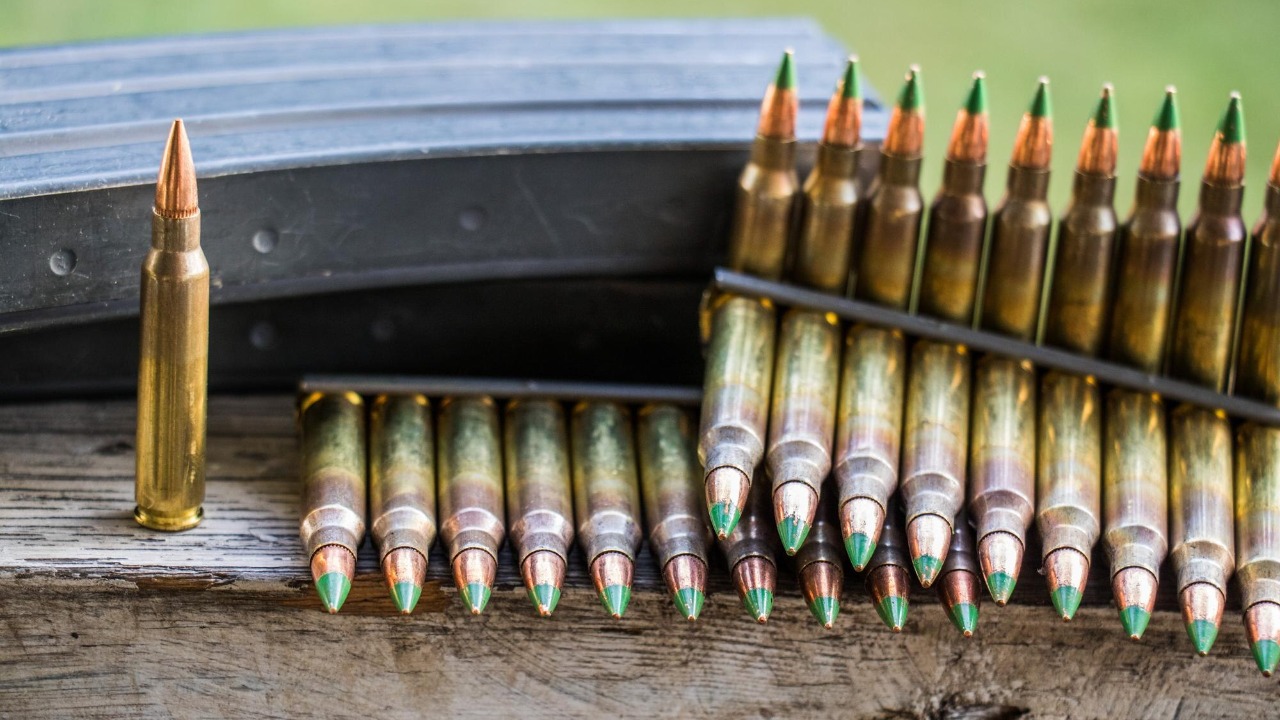
Turning these ideas into better hits starts with a simple plan. First, match bullet weight to your barrel twist using manufacturer guidance and stability calculators, then choose a bullet design that fits your purpose, whether that is an OTM match projectile, a bonded hunting bullet or a basic FMJ. Next, buy several brands and loads that fit those criteria and test them at realistic distances, tracking group sizes and point of impact so you can see which combination your rifle “likes” instead of assuming any 223 or 308 load will behave the same.
For those who handload, the next step is to refine that winning combination by minimizing runout, tuning seating depth and finding a powder charge that lines up with your barrel’s harmonic sweet spot. For factory ammo users, the work is mostly front loaded: once you identify a lot that shoots well, stock up while you can, a point echoed in Apr discussions of what calibers and loads to prioritize if you had a million dollars to invest into only one kind of ammo and what you would be wise to keep on hand. In both cases, the lesson is the same: treat ammunition as a precision component, not an afterthought, and your groups will often improve more than any new accessory could manage.
Supporting sources: Accuracy vs. precision: what’s the difference and why does it matter? | TED-Ed.

Leo’s been tracking game and tuning gear since he could stand upright. He’s sharp, driven, and knows how to keep things running when conditions turn.