The gear decisions that matter most when things go wrong
When a hike turns into a night out in freezing rain or a highway drive ends beside a rolled car, the difference between a scare and a tragedy often comes down to a few pieces of gear. Not the fanciest gadgets, but the items that keep a person breathing, warm, hydrated and findable until help arrives. The smartest survival planners focus less on filling a pack and more on a short list of decisions that really matter when everything else goes sideways.
Across field courses, hunting camps and emergency kits, a pattern emerges. The gear that consistently saves lives clusters around water, shelter, fire, medical care, light and a small set of tools that stay on the body every day. The details change between a backcountry elk hunt and a hurricane evacuation, but the hierarchy does not.
Start with the survival priorities, not the catalog
Experienced instructors repeatedly warn that people buy gear in the wrong order. They chase exotic tools long before they cover the basics that keep a body alive for the first 72 hours. One detailed list of most important survival organizes kit around classic needs like shelter, fire, water, navigation and signaling, and stresses that even a short day trip can turn into a survival situation with one bad fall or a sudden storm.
The same mindset runs through community debates about the single most valuable item. In one discussion titled “What are the most essential pieces of equipment in survival?” a user identified as Apr argued that Shelter, Fire and water outrank everything else, because dying after three days without water does not matter if hypothermia kills in a single night. Another thread on key survival items pointed to gear that is hard or impossible to improvise, with one commenter noting that some critical tools cost between $80 and $120, and that “Things that are difficult/impossible to craft in the field and things yo…” should be prioritized.
That framing matters because it pushes people to ask a sharper question. Not “what is cool to own,” but “what keeps someone alive when wet, cold, injured, lost or alone.” Once that lens is in place, the gear decisions that matter most become clearer and far more focused.
Water: storage, treatment and access under stress
Every serious emergency planner starts with water. One guide on Water for survival kits concludes that water is essential to survival and recommends several ways to store, collect and treat it in a wide range of situations, from tablets to filters and chemical treatment. The logic is simple: dehydration and waterborne illness can disable a person long before food scarcity does.
Preparedness advice for coastal storms makes the same point. A hurricane checklist titled Water for emergencies urges households to Have water stored for daily use during storms and states plainly that Water is probably one of the most essential supplies to stock. Commercial gear makers echo that priority. One product description calls water “One of themost critical items to have in any emergency situation” and even separates the water bottle from the rest of the pack so it is always accessible.
Emergency water delivery companies frame it in the same stark terms. A service that specializes in disaster logistics notes that Water is an essential resource for life and that it becomes even more critical during emergencies and disasters, Whether the trigger is a natural hazard or infrastructure failure. The consistent message is that gear choices around hydration are non‑negotiable: reliable containers, a way to purify surface water and a plan to carry enough for at least a day of hard movement.
Fire and shelter: managing cold, wet and shock
Once water is addressed, the next life‑threatening risk in many environments is exposure. A Reddit user identified as Apr put it bluntly in a survival gear discussion, arguing that Shelter can matter more than water if hypothermia is on the table, and that Fire is vital not just for warmth but for signaling and morale.
In a Facebook group focused on survival skills, one thread titled “What’s the most important survival gear to have and why?” generated strong opinions. The original post highlighted the ability to start and maintain a fire as a top skill, and a commenter named Mar mentioned a user called Lisa Kelly while pushing back on sales pitches, saying “Lisa Kelly nah. I’d rather you peddle your scam to me in front of God and country.” That exchange on What’s the most captured a broader frustration with gimmicks that distract from core capabilities like fire making.
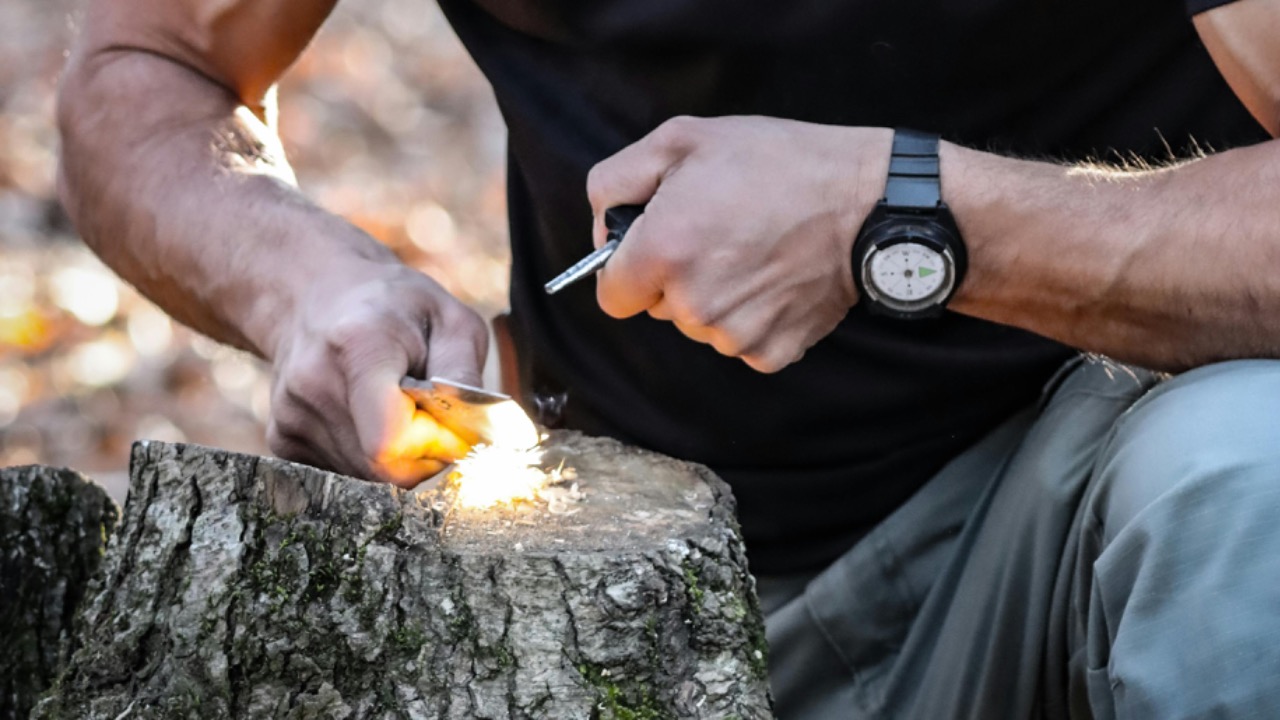
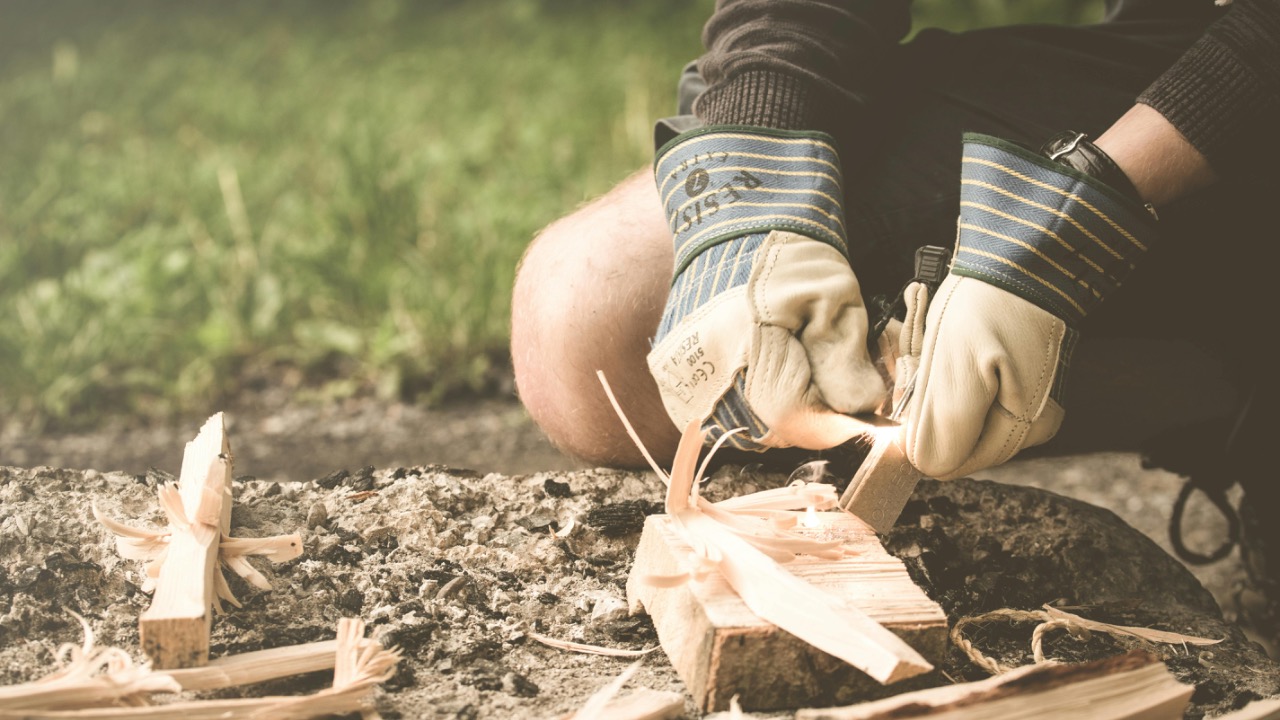
Structured survival item lists reinforce that priority. The detailed breakdown of essential gear from Untitled stresses compact shelter options such as tarps and space blankets, paired with reliable fire starters. The message is that a person caught in a sudden downpour or cold snap needs a fast way to get off the ground, out of the wind and into dry layers, then light a fire with cold, shaking hands. Fancy tools are secondary to that basic equation.
Medical gear: from first aid to trauma care
Medical capability is another area where gear choices have outsize impact. A tactical gear checklist on Medical Supplies and describes comprehensive medical kits tailored for trauma and emergency care as indispensable, and highlights the value of organizing supplies so a responder can find tourniquets, pressure dressings and airway tools under stress.
Specialists who teach wilderness medicine make a sharp distinction between everyday bandage kits and serious trauma gear. One analysis of Med Kit Mistake number one calls out Improperly Stocked There is a significant difference between a first aid kit and a trauma kit. While minor cuts matter, uncontrolled bleeding, airway compromise and chest injuries kill far faster.
Modern trauma teaching packages those priorities into simple mnemonics. One guide to the When a first responder assesses the respiratory system explains that responders should look for chest trauma or a sucking chest wound and manage massive bleeding before moving on. That approach filters into commercial kits such as the Medic Recon First, Pro, Color, Green, which is described as a bag as functional as the 250 life‑saving supplies inside, and the similar My Medic Recon First Aid Kit, Standard, Color, Gray with another Medic Recon First listing that again cites 250 items.
A broader product overview of the Recon First Aid notes that it contains over 250 first aid and trauma supplies in an organized backpack, emphasizing the same mix of minor care and life‑saving tools. First aid educators also stress training. One profile of a volunteer explained that She, identified as Queenie, has attended courses such as Standard First Aid, and that She, Queenie, has put her Queenie skills into practice during community emergencies. The clear implication is that gear only matters if someone knows how to use it.
Light and signaling: being seen and staying oriented
Once a person can breathe, stop bleeding, stay warm and drink safe water, the next priority is often visibility. A safety guide on Lighting describes lighting as an essential component of any emergency and survival gear kit because it provides visibility and safety in low‑light situations. That applies equally to a power outage in a city and a broken leg on a dark trail.
Another analysis of workplace and home safety notes that Lighting is critical in any space with hazardous objects or where detail‑oriented activities take place, which translates directly to treating wounds or navigating rubble. Some emergency products go further, marketing USB‑powered bulbs as “These USB lights conserve a TON of power and in a crisis,” suggesting that low‑draw, rechargeable lighting can stretch limited battery or solar capacity.
Policy debates even acknowledge that Lighting is required only for emergencies in some contexts, as one energy policy document put it, which has implications for how households think about backup gear. A short, durable headlamp that lives in a pocket or on a belt can be more valuable than a box of candles buried in a closet.
Everyday carry: the gear that is actually on the body
Survival instructors and tactical trainers repeatedly highlight a gap between what people own and what they actually have on them when trouble starts. That is where everyday carry, or EDC, choices become critical. A detailed guide to must-have EDC gear for survival situations stresses items that ride on a person all day, such as a compact flashlight, a reliable folding or fixed‑blade knife, a lighter and a small multitool.
Community discussions echo that ranking. In a Quora thread dated Sep 25, 2025, one respondent argued that a knife is the single most relied‑on item, calling it a HUGE aid in building fire, shelter, weapons, clothes and shoes, and even joked that a knife will always be number one, Car or no car. That comment on Sep highlights how one sharp, durable tool multiplies what a person can do with other resources.
Gear reviewers have also tested modern multitools, from plier‑based designs to credit‑card‑sized kits, and found that a well‑chosen model can replace a small toolbox in a pocket. One roundup of Discovered options looked at cutting performance, bit drivers and corrosion resistance, all details that matter when a tool is exposed to sweat, rain and dirt for years.
Hunting gear that crosses into survival
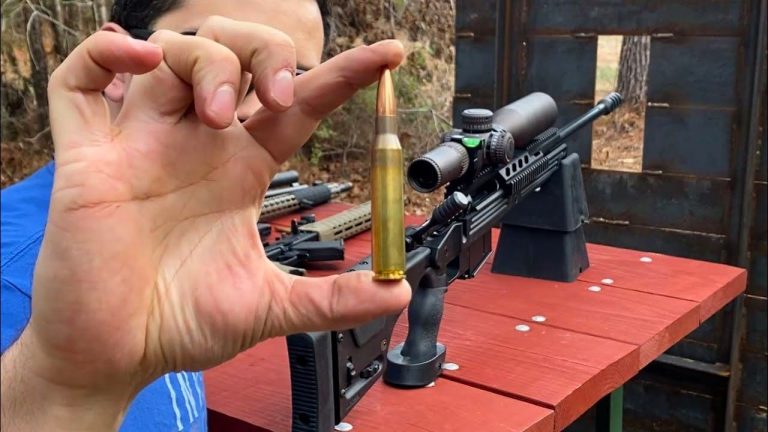
Hunters, by necessity, carry gear that often doubles as survival equipment. A detailed article on hunting gear and survival gear points out that rifles, shotguns and optics are only part of the picture. Serious backcountry hunters pack navigation tools, shelter systems, first aid kits and water filters because they expect to move far from roads and stay out overnight.
The same piece notes that clothing systems, from base layers to waterproof shells, can be as important as weapons, since hypothermia does not care whether a person is carrying a high‑end rifle. Many hunting packs now include built‑in rifle scabbards and hydration sleeves, effectively merging combat‑style load carriage with survival priorities.
Some of the most sophisticated all‑in‑one kits borrow heavily from that hunting and tactical world. The Uncharted Supply Co. SEVENTY2 Pro Survival System is marketed as a fully equipped 72-hour bug‑out bag, while another listing for The SEVENTY2 Pro Survival System highlights that it includes Professional grade tools and is Designed to support 2+ people with Over 60 professional‑grade survival tools organized and ready to use.
Other commercial kits follow a similar pattern. The Stealth Angel Survival 5 Person 72-Hour Emergency Survival Kit claims to pack essential items for five people into two backpacks, while the American Red Cross Emergency Preparedness Backpack markets itself with the reminder that a disaster can strike at any time and that Being prepared means having proper supplies for family members.

Leo’s been tracking game and tuning gear since he could stand upright. He’s sharp, driven, and knows how to keep things running when conditions turn.