The Survival Skills That Actually Matter in a Grid-Down Scenario
When the power goes out for a few hours, it’s an inconvenience. When it stays out for weeks, you find out fast what you really know and what you only thought you knew. A true grid-down scenario strips away convenience and exposes weak spots in your planning. Gear helps, but skill keeps you going when batteries die, supplies thin out, and help isn’t coming.
You don’t need fantasy-level bushcraft. You need practical competence. The kind that keeps water safe, injuries from turning serious, food from spoiling, and small problems from becoming disasters. These are the skills that carry real weight when the lights stay off.
Water Sourcing Beyond the Obvious
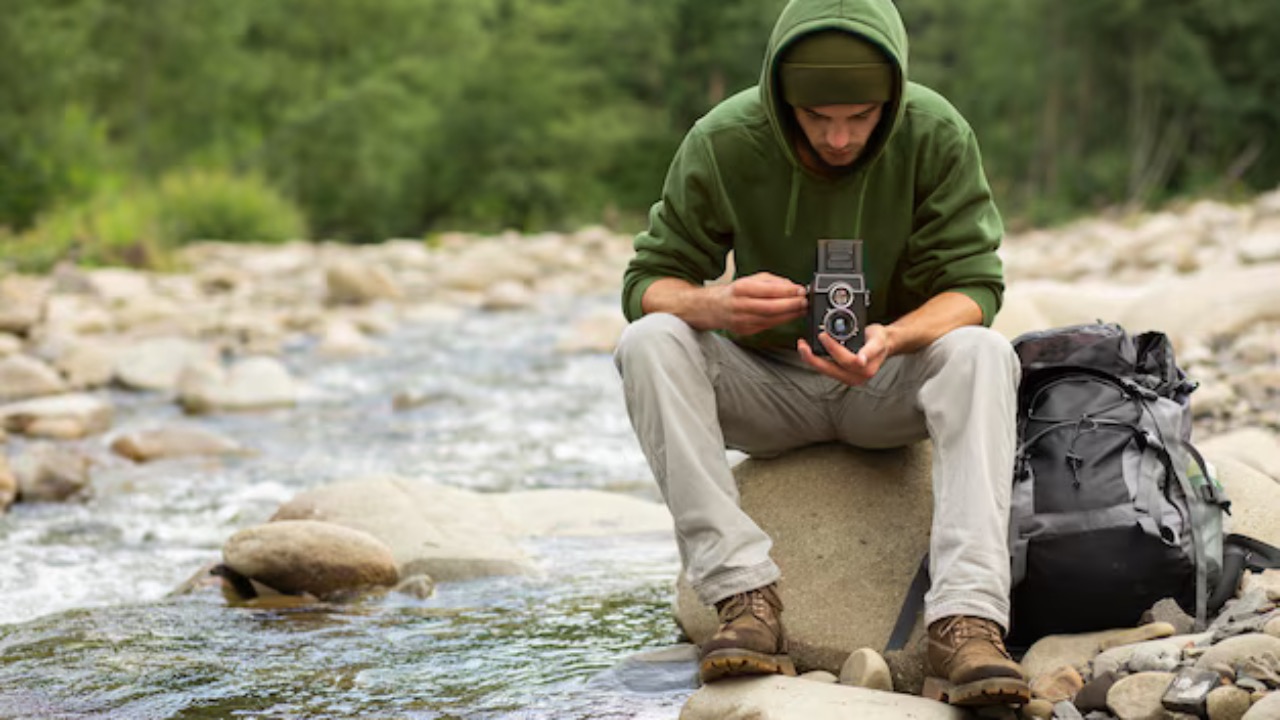
You already know you need water. What matters is your ability to find it when taps are dry and store shelves are empty. That means identifying natural sources like creeks, ponds, and even seasonal runoff—and knowing which ones are reliable year-round.
You also need to think beyond surface water. Rain catchment from rooftops, properly set up and filtered, can supply more than you expect. Understanding how terrain channels water after storms gives you an edge. In a prolonged outage, the person who reads the land and plans collection points early will be far more comfortable than the one scrambling with empty containers.
Practical Water Purification
Finding water is step one. Making it safe is step two. Boiling works, but it costs fuel. Chemical treatment works, but supplies run out. You should know how to build and maintain gravity-fed filtration systems and how to pre-filter muddy water using cloth and settling methods before purification.
You also need to understand contamination risks. Agricultural runoff, upstream livestock, and industrial areas all change your risk profile. In a grid-down scenario, stomach illness can sideline you fast. Clean water isn’t a luxury; it’s the line between functioning and becoming a liability to your group.
Improvised Sanitation and Waste Control
When plumbing fails, sanitation becomes urgent. Human waste, gray water, and trash attract insects and spread disease quickly. You need to know how to establish latrine sites downhill and away from water sources, and how to cover waste properly.
Trash management matters too. Burning certain materials releases toxins. Burying everything invites pests. You’ll need a system—separating organic waste for composting from materials that must be stored or disposed of carefully. The skills here aren’t glamorous, but they prevent the kind of slow-moving health problems that collapse morale and weaken a group over time.
Food Preservation Without Electricity
Freezers thaw. Refrigerators warm up. You can’t count on cold storage. That means you need hands-on experience with salting, drying, smoking, and pressure canning long before you rely on them.
Drying meat safely requires proper airflow and temperature awareness. Smoking isn’t about flavor; it’s about preservation and moisture control. If you hunt or harvest livestock during a prolonged outage, you’ll need to process and preserve quickly. Knowing how to break down an animal efficiently and protect meat from insects can determine whether you eat for weeks or waste a critical resource in days.
Conflict De-Escalation and Presence
In a prolonged outage, stress builds. Supplies run short. People get tired. The ability to manage conflict calmly becomes more important than most folks realize. You need to read tone, posture, and intent before situations turn physical.
Carrying yourself with steady confidence can prevent problems before they start. Clear communication, firm boundaries, and the willingness to walk away when possible are survival skills. Avoiding a fight keeps you uninjured and preserves resources. In a grid-down environment, even minor injuries or drawn-out disputes cost more than you think.
Manual Tool Maintenance and Repair
Power tools eventually become dead weight. What keeps working are hand tools—if you maintain them. You should know how to sharpen axes, saws, knives, and chisels properly. A dull edge wastes energy and increases injury risk.
You also need basic repair skills: replacing handles, tightening fittings, patching leaks, and reinforcing weak structures. Improvisation with available materials becomes part of daily life. The person who can keep tools functioning and structures sound is the one who keeps productivity steady when everyone else is struggling to make broken gear work.
Light Discipline and Fire Management
Light attracts attention. In a prolonged outage, that matters. You should understand how to use low-output lighting, shielded flames, and timed use of lanterns to reduce visibility from a distance.
Fire management goes beyond starting a blaze. You need to control smoke, conserve fuel, and extinguish completely to avoid accidental spread. Cooking, warmth, and morale often center around fire, but careless use wastes resources and draws unwanted interest. Managing flame and light responsibly protects both safety and security.
Physical Conditioning for Real Work
When machines stop doing the heavy lifting, you become the machine. Hauling water, chopping wood, digging, carrying supplies—these tasks add up fast. If you’re not conditioned for steady physical labor, fatigue sets in early.
Strength matters, but endurance matters more. You need to pace yourself, rotate tasks, and avoid overuse injuries. In a grid-down scenario, you don’t get to sit out for a week because your back flared up. Staying physically capable isn’t vanity—it’s operational readiness when labor becomes part of daily survival.
Situational Awareness Without Digital Aids
No GPS. No live updates. No constant feed of information. You need to observe your surroundings the old-fashioned way. That means noticing unusual vehicle movement, changes in animal behavior, smoke columns on the horizon, and patterns in foot traffic.
Map and compass skills matter, but so does paying attention to routine. When something changes, you need to catch it early. The earlier you detect a developing problem—weather, fire, unrest—the more options you have. In a grid-down world, awareness buys time, and time buys choices.
Decision-Making Under Stress
Finally, you need the ability to think clearly when tired, hungry, and uncertain. That skill doesn’t show up overnight. It’s built by practicing small decisions with intention and evaluating outcomes honestly.
You need to weigh risk versus reward, conserve resources, and avoid emotional reactions. Impulsive moves cost fuel, food, and safety. Measured decisions keep you steady. In the end, the skill that ties all the others together is judgment. When the grid stays down and the pressure rises, your ability to stay calm and choose wisely will matter more than any piece of gear you own.

Asher was raised in the woods and on the water, and it shows. He’s logged more hours behind a rifle and under a heavy pack than most men twice his age.