The hog cartridges guides recommend to first-timers
New hog hunters quickly discover that cartridge choice is not a gear-head detail, it is the difference between a clean, fast kill and a long, ugly tracking job. Wild pigs are compact, heavily muscled animals with thick shields of gristle over their shoulders, so the round that works on paper targets or even light deer can come up short when it hits a boar at a bad angle. The guides and ballistics charts that serious hunters rely on tend to converge on a handful of forgiving, versatile loads that give first-timers the best odds of success.
I look at those recommendations through a simple lens: a beginner needs enough power to punch through bone and shield, manageable recoil to place shots accurately, and bullet construction that keeps working when the angle is less than perfect. From close brush hunts with a shotgun to longer shots across a Texas sendero, the cartridges below are the ones experienced hog hunters keep putting into new shooters’ hands.
Why hogs demand more than a “deer cartridge” on paper
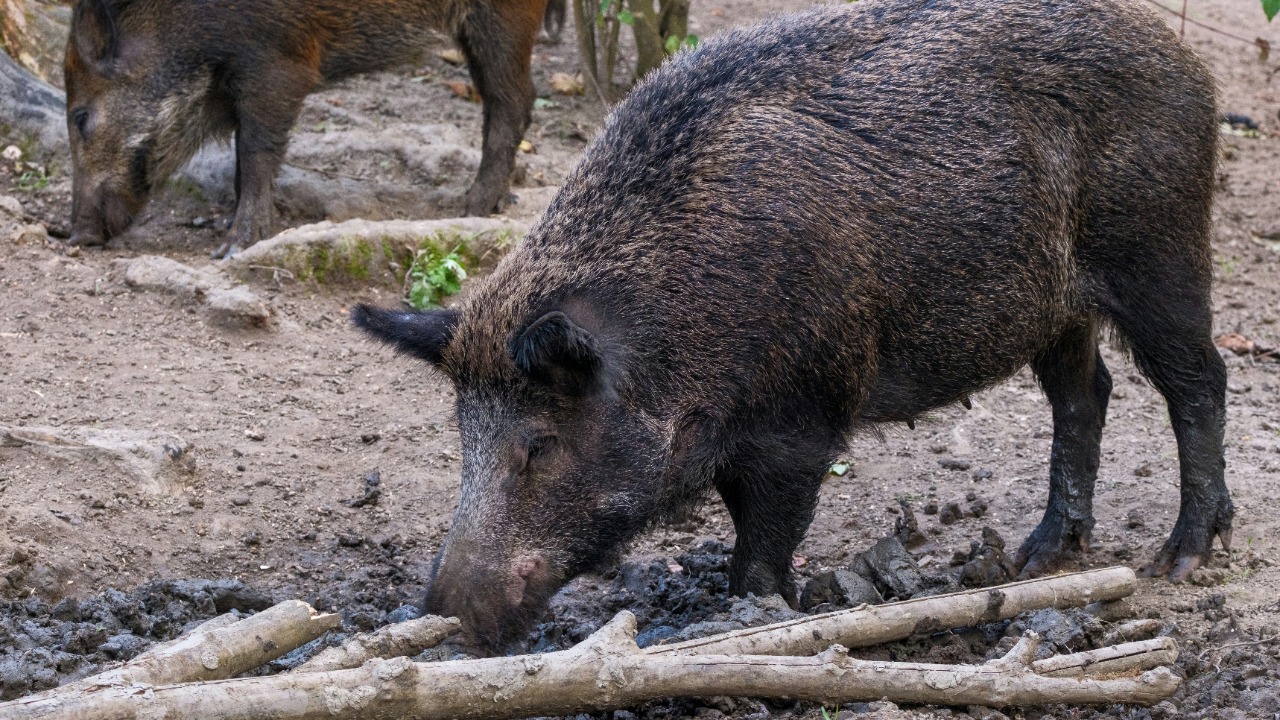
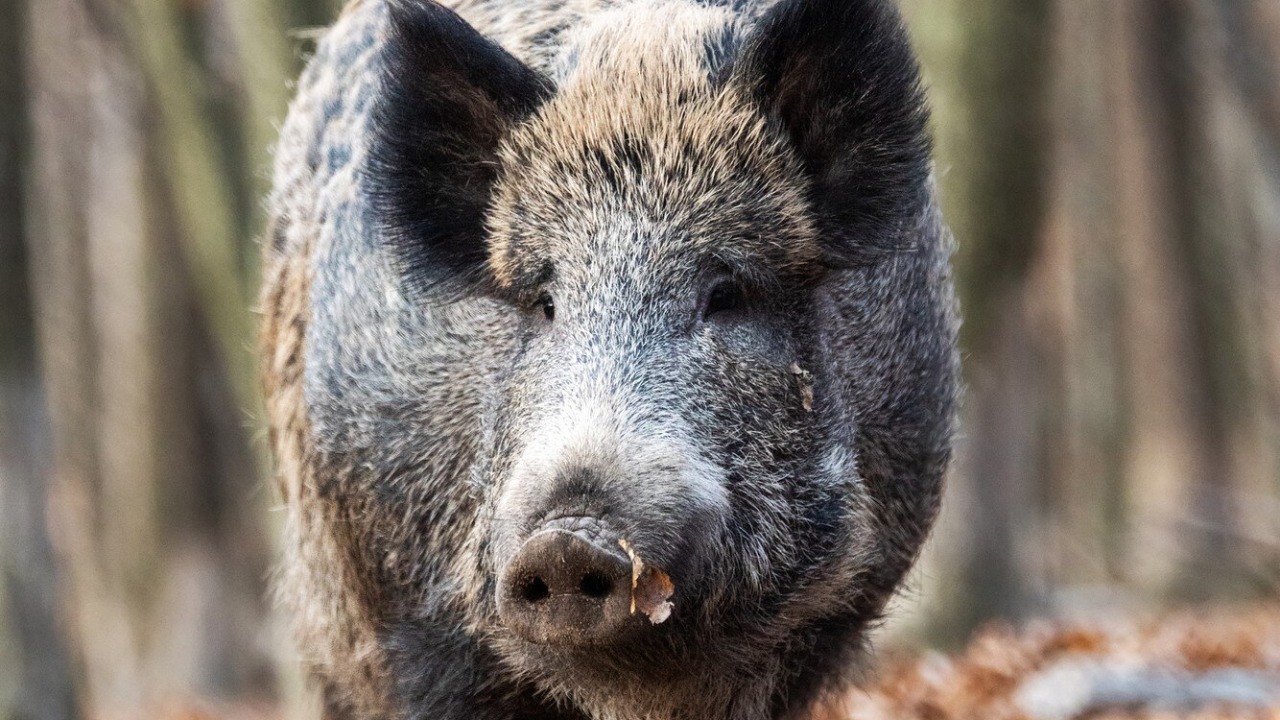
Wild pigs soak up punishment in ways that surprise people who are used to thin-skinned game. Their vital zone sits low and forward, wrapped in dense muscle and, on mature boars, a slab of cartilage that can stop or deflect fragile bullets. Experienced hunters stress that Hogs are tough, but they are not bulletproof, and most are killed with ordinary big game rounds when those rounds are chosen and placed correctly. The catch is that marginal hits, especially with light, fast bullets, are far more likely to result in a wounded animal that disappears into the brush.
That is why so many guides steer beginners toward slightly heavier, slower bullets that hold together and penetrate instead of exploding on impact. Ethical hunters have a duty, as one detailed discussion of big game ballistics puts it, to do everything in their power to ensure a clean, quick kill by choosing a round with sufficient power for the game being hunted. For hogs, that usually means stepping up in bullet weight or construction compared with what a new shooter might pick for casual target work.
Balancing recoil and power for first-time hog hunters
For someone’s first trip after pigs, the best cartridge is the one they can shoot accurately under pressure. A round that looks ideal on a ballistics chart is a liability if its recoil makes a new hunter flinch or hesitate. Trainers who work with defensive shooters frame it the same way, arguing that caliber should balance stopping power with manageable recoil while still allowing accurate, rapid shooting. On a hog hunt, that translates into a cartridge that lets a beginner place a careful first shot and, if needed, send a fast follow-up without losing the sight picture.
That is why so many experienced voices keep circling back to mid-size big game rounds. One widely shared list of top beginner calibers for hunting singles out 243, 270 and 308 as forgiving choices that will knock down most, if not all, animals a new hunter is likely to pursue. The same logic shows up in deer rifle advice that praises the Caliber Selection of 243 Winchester as Highly accurate with minimal recoil, a profile that carries over well to smaller hogs when paired with a stout bullet.
The .308 family: the workhorse hog rounds guides trust
When outfitters talk about a single cartridge that can handle almost any big game hunt, hogs included, the conversation keeps coming back to the .308 class. One influential analysis of all-around hunting rounds argues that if a hunter can only pick one big game cartridge, the 308 Win is the standout, with only the .30-06 close behind. That kind of endorsement matters for first-timers, because it signals a balance of recoil, trajectory and terminal performance that has already been proven on everything from deer to large boar.
Dedicated hog cartridge breakdowns echo that verdict with specific loads. One detailed table of Hog Hunting Cartridges highlights a 165-Grain Grain Elite Accubond .308 Winchester as a go-to choice, alongside a 143-Grain 6.5 option. Gear testing focused specifically on hogs also singles out a Best All Purpose load built around Federal Terminal Ascent 175-grain .30/06 Springfield, reinforcing the idea that mid-weight .30 caliber bullets with controlled expansion are a safe bet for new hog hunters.
Light recoiling options: .243, 6.5 Creedmoor and similar rounds
Not every beginner is ready to jump straight into .30 caliber recoil, especially smaller framed shooters or those coming from rimfire practice. For them, the lighter end of the big game spectrum can still work on hogs if bullet choice is disciplined and shot angles are conservative. The same deer rifle guidance that praises the 243 for accuracy and low recoil makes it clear that this cartridge, in a tough bullet, is fully capable of cleanly taking medium game. A novice-friendly list that recommends All three of 243, 270 and 308 for new hunters underscores how often these milder recoiling rounds are used successfully in the field.
Modern 6.5 cartridges add another option. A widely cited rifle caliber chart describes the 6.5mm Creedmoor as a New Choice for Hunter Every season, thanks to efficient bullets and enough case capacity to move them fast. In hog-specific testing, a 143-Grain 6.5 load appears alongside .308 recommendations, signaling that with the right bullet construction, these mild cartridges can give new hunters a flatter trajectory and softer recoil without sacrificing penetration on broadside pigs.
AR-platform favorites: .223, 5.56 and when they make sense
Many first-time hog hunters already own an AR-pattern rifle, so it is natural to ask whether .223 or 5.56 can do the job. Some veteran writers have been skeptical, with one even admitting, “Yep, I was the guy that wrote that the . 223 Remington was overrated as a hunting round,” before going on to highlight a specific 55-grain GMX Full Boar load that changed his mind for smaller pigs. The key is that not all .223 ammunition is created equal, and only the toughest, monolithic or bonded bullets have the penetration to reach the vitals consistently.
Gear testers who rank the Best Traditional Hog still include AR-platform options chambered in 5.56 NATO, but they emphasize that hunters must know where to hit them and choose bullets built for deep penetration. For a first-timer, that usually means limiting shots to smaller hogs, waiting for broadside or slightly quartering-away angles, and being willing to pass on marginal opportunities. As a result, I see .223 and 5.56 as acceptable starter choices only when a hunter is already highly confident with that rifle and is disciplined about range and shot selection.
Shotguns and close-range setups for thick cover
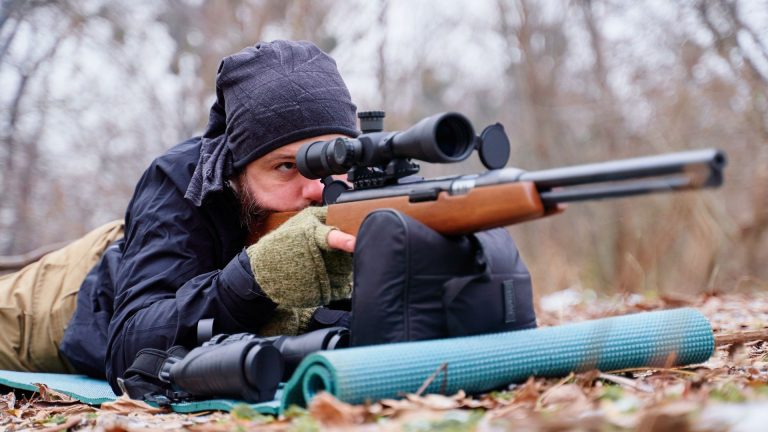
In dense brush or at night over feeders, many guides prefer to keep things simple and put a shotgun in a beginner’s hands. A detailed hog hunting guide on Firearms and Ammo For Hog notes that a Shotgun, especially a 12 gauge with slugs or heavy buckshot, is more than capable for up-close work. At typical ranges in thick cover, the slight spread of pellets or the big frontal area of a slug can be forgiving of small aiming errors, which is exactly what a nervous first-timer needs.
Bullet and slug construction still matters. Analysts who focus on boar bullets point out that Hogs are fairly stalkable, so even in open country, shots often come at moderate distances where a tough, controlled-expansion projectile shines. In the shotgun context, that means choosing slugs designed for deep penetration rather than lightweight, rapid-fragmenting designs. For a new hunter sitting over a short-range bait site or walking tight creek bottoms, a pump 12 gauge loaded with quality slugs is one of the most straightforward, confidence-building setups available.
Understanding hog anatomy and bullet construction
Cartridge choice is only half the equation; where that bullet goes and how it behaves on impact matter just as much. Guides who specialize in pigs emphasize aiming for the front third of the animal, targeting the heart-lung area that sits low and tight behind the shoulder. One practical hog hunting primer describes this as an area that is a pretty big target, forgiving of a slightly off zero or shaky hands, and therefore ideal for a new hunter who is still learning to manage adrenaline. A detailed breakdown of shot placement explains that This area remains ideal even on a monster boar, provided the bullet can punch through the shield.
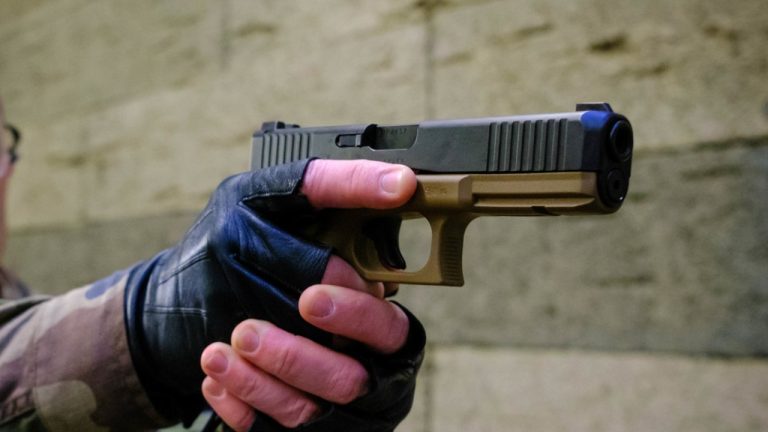
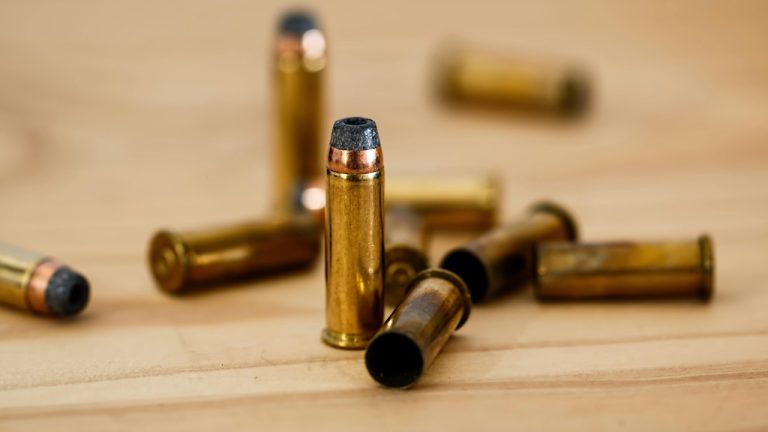
That is where construction comes in. Handgun hunters, who often tackle thick-skinned, heavy-boned animals at close range, are advised that When hunting such game, an expanding bullet of tougher construction, like Hornady’s Magnum XTP or the Swi line, or even a flat-nosed hardcast, is preferable. The same principle applies to rifles: bonded, monolithic or partition-style bullets that hold together after hitting bone are far more reliable on hogs than thin-jacketed varmint designs, especially in the lighter calibers that many beginners favor.
What caliber charts and veteran hunters say about “enough gun”
Beyond individual anecdotes, caliber charts that aggregate field experience offer a useful cross-check for new hog hunters. One comprehensive breakdown of Hog Hunting Calibers notes that Wild hogs are tough animals that often live in rough environments, and mentions successful hunts with a .30-30 Winchester as a baseline. Another seasoned voice on driven boar hunts calls the 30-06 Springfield his favorite cartridge for driven game, praising how hard it hits with heavy bullets. Taken together, these references suggest that anything in the .30-30 to .30-06 class, loaded with a sturdy bullet, is more than adequate for pigs in the hands of a competent shooter.
At the same time, the same charts and guides leave room for personal preference and context. A hog-specific caliber roundup from earlier this year, for example, pairs .308 and .30-06 with 6.5 and .243 options, while a separate analysis of all-around big game rounds concludes in its Last Shot that the .308 remains the most versatile choice. Online discussions among new hunters echo that nuance, with one widely read thread on the best hog caliber concluding that It depends on terrain, typical shot distance and the shooter’s comfort level. For a first-timer, the safest move is to start with the heaviest cartridge they can shoot well and then tailor bullet choice to the specific hunt.
How guides structure first hunts around forgiving cartridges
Professional outfitters have a strong incentive to put beginners behind cartridges that make success likely on day one. Many steer new clients toward guided packages where the firearms and ammunition are already dialed in. One boar hunting overview notes bluntly that Guided hunts are ideal for first-time hog hunters or travelers, in part because the outfitter can match the shooter to a proven rifle and load. In practice, that often means a .308 or .30-06 with a mid-weight bonded bullet, or a 12 gauge slug gun for close work in thick cover.
Seasoned hog specialists also tend to favor rifles and optics that are simple to run under stress. One gear test of Best Traditional Hog highlights the Savage Impulse Predator as an Editor Pick, listing it at about $1,011 at one Armory. Rifles like this, chambered in proven hog calibers and topped with low-power optics, let a guide focus on coaching shot placement and reading hog behavior instead of troubleshooting gear. For a first-timer, stepping into that kind of well-thought-out setup, with cartridges that have already earned the trust of working guides, is the fastest path to a clean first kill and a lifetime of ethical hog hunting.

Leo’s been tracking game and tuning gear since he could stand upright. He’s sharp, driven, and knows how to keep things running when conditions turn.