The home-defense mistake new gun owners don’t realize they’re making
New gun owners tend to obsess over calibers, optics, and holsters, then quietly assume that owning a firearm is the same thing as being ready to defend their home. The mistake they rarely see coming is simpler and more dangerous than any gear choice: treating the gun itself as the plan. Real home defense starts long before a shot is fired, and it depends far more on training, decision making, and preparation than on whatever sits in the nightstand.
When I talk to first-time buyers, I hear the same confidence: they believe that if something terrible happens, they will simply grab the gun and “do what needs to be done.” The reporting and training community point in a different direction. They show that without a broader strategy, clear legal understanding, and disciplined practice, that confidence can collapse into hesitation, bad judgment, or tragic mistakes in the very moment the gun was supposed to save them.
The real mistake: confusing ownership with a home-defense plan
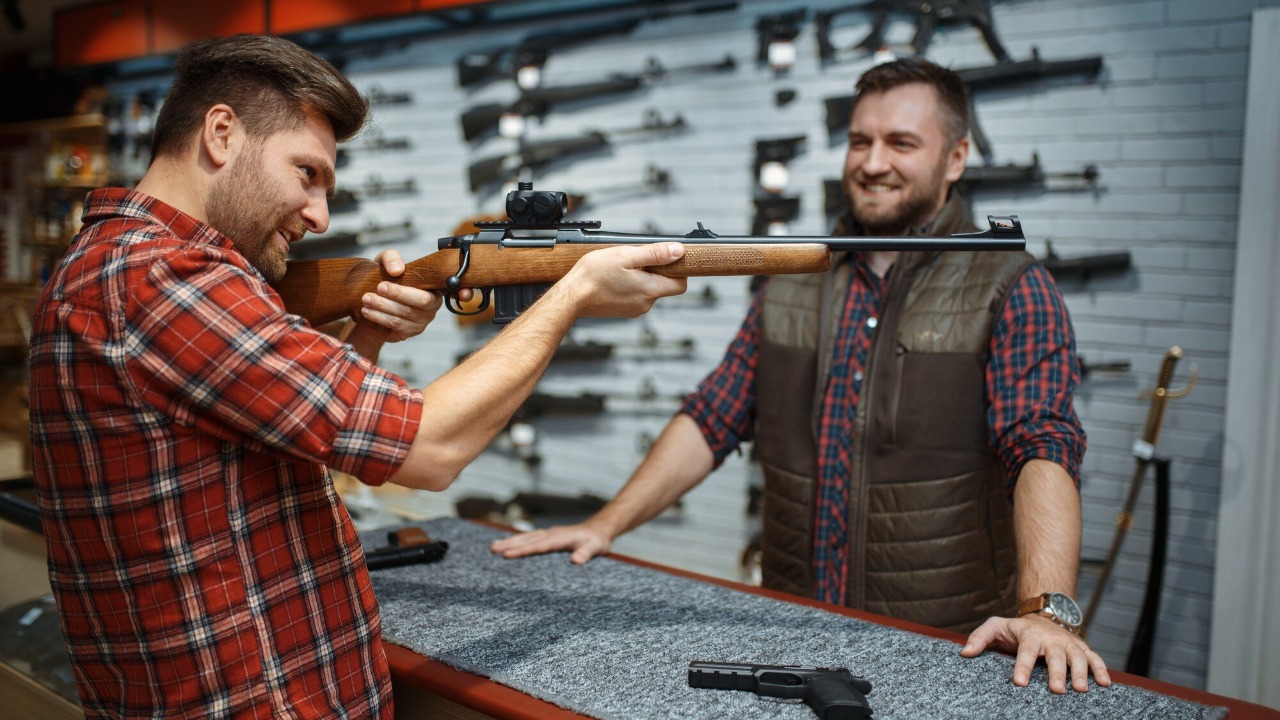
The core error new gun owners make is assuming that buying a pistol or shotgun automatically makes their home safer. In reality, a firearm is only one tool inside a much larger safety system that should include layered security, communication, and clear roles for everyone in the house. Instructors who work with first-time buyers stress that relying on the gun alone is not a strategy at all, and that mindset leaves people unprepared for the chaos, low light, and adrenaline of a real break-in.
One prominent trainer puts it bluntly: Relying solely on a gun in the event of a home invasion is not a plan, it is a hope. A safe home defense plan should stack advantages in your favor, protect loved ones, and avoid anything resembling a “fair fight” with an intruder. That means thinking through escape routes, safe rooms, communication with 911, and what each person does if a door is kicked in at 3 a.m., long before anyone reaches for a trigger.
Why training, not hardware, is your first line of defense
Once a gun is in the house, the most urgent need is not another accessory, it is structured training. Many new owners skip formal instruction and try to self-teach from social media clips or a single casual range trip, which leaves huge gaps in safety habits and decision making. Professional programs emphasize that Not Getting Proper Training is one of the most common and dangerous mistakes, because it leads directly to unsafe handling, poor performance under stress, and legal exposure.
Good instruction goes far beyond marksmanship drills. Courses that focus on home defense teach how to move with a firearm inside tight hallways, how to identify a target positively in low light, and how to manage the stress of hearing glass break downstairs while your children are asleep. Several programs aimed at new shooters list Neglecting Firearm Safety Traini among the top errors new owners make, right alongside failures in secure storage. Without that foundation, the gun that was supposed to protect the family can just as easily endanger them.
Myths that quietly shape bad home-defense decisions
Even owners who seek out training often carry untested beliefs about what will happen in a confrontation. One of the most persistent myths is that simply showing a gun will scare off any intruder, so there is no need to think deeply about tactics or the law. Legal experts warn that assuming Displaying Weapons Saves the Day is a poor self-defense strategy, because brandishing a firearm can be treated as a use of force in its own right and may escalate a situation instead of ending it.
Other myths are even more specific to the home. Instructors who focus on residential defense point out that many people still believe a handful of cinematic ideas, such as firing a “warning shot” into the air or assuming that a certain gauge of shotgun will never overpenetrate drywall. One training school lists several Myth based beliefs that refuse to die, including the notion that racking a pump shotgun will always send an intruder running. Building a plan on these stories instead of on tested tactics and local law is how people end up surprised, and sometimes prosecuted, when events do not match the script in their head.
Overestimating what a firearm can actually do in a crisis
New owners also tend to treat the gun as a kind of magic equalizer that will fix any threat they face. That mindset leads to overconfidence and sloppy planning, because it assumes that if things go wrong, the firearm will simply make up the difference. Trainers who specialize in defensive shooting warn that many gun owners are Overestimating the Power of their chosen Firearm, forgetting that missed shots, overpenetration, and the presence of family members or neighbors can turn a hasty trigger pull into collateral damage.
Responsible instructors push a different message: a firearm is only as effective as the person behind it. One manufacturer-backed training resource reminds owners that You are your most valuable weapon for self-defense, not the steel and polymer in your hand. That means judgment, situational awareness, and emotional control matter more than barrel length. It also means accepting that there are scenarios where the smartest move is to barricade, call 911, and avoid a gunfight entirely, even if you are armed.
Legal realities: castle doctrine is not a blank check
Another quiet trap for new gun owners is a shallow understanding of self-defense law. Many people have heard of Castle Doctrine or Stand Your Ground statutes and assume those phrases mean they can shoot any intruder they find on their property. Legal analysts caution that While many states have Castle Doctrine laws that remove a duty to retreat in the home, the use of lethal force still must be reasonable and proportionate to an imminent threat. Simply being inside your own house does not automatically justify pulling the trigger.
When homeowners misread those boundaries, the consequences can be severe. Coverage of high profile cases, including the killing of Trayvon Martin, has highlighted the Potential liability that comes with Failure to exercise due diligence and obey the law with regards to the ownership and proper usage of a firearm. Prosecutors and civil attorneys will scrutinize not only what you did in the moment, but also whether you had training, followed safe practices, and acted as a reasonable person would under the circumstances. A real home-defense plan has to be built around those legal realities, not around slogans.
Planning for probabilities, not movie-style possibilities
There is a natural temptation to imagine the worst possible scenario and train only for that: multiple armed intruders, night vision, body armor, and a running gun battle down the hallway. Serious instructors argue that this focus on cinematic threats can distract from the far more likely problems you will face in your own home. One curriculum on common errors urges owners to prioritize Training for Possibilities Instead of Probabilities less, and instead drill the situations that actually happen, such as a single intruder, a mistaken identity, or a family member coming home late and unexpectedly.
Another program breaks down mistakes into stages and warns that many people go wrong “before anything happens,” long before a shot is fired. In its Part on Mistakes People Make Before Anything Happens, it highlights Acting too soon and confusing threat with imminent threat, as well as Starting the fight under the aggressor doctrine. In practice, that means learning to distinguish between a suspicious noise and a confirmed threat, and resisting the urge to go hunting through your own house when you could instead lock a bedroom door, call 911, and let police clear the unknowns.
Building a layered home-defense strategy around the gun, not on it
When trainers talk about a real plan, they describe a layered approach that treats the firearm as a last resort, not the first move. That starts with basic security upgrades like solid-core doors, quality deadbolts, motion-activated lighting, and cameras or video doorbells such as a Ring or Google Nest system. It also includes simple habits like locking doors consistently and not advertising expensive purchases on social media. One analysis of personal safety stresses that effective protection means going Beyond a Single Tool, Building a Comprehensive Defense Strategy It describes the firearm as only one component of a broader safety plan that should also include situational awareness, avoidance, and de-escalation.
Inside the home, that layered strategy means designating a safe room, staging medical gear like a tourniquet and pressure bandages, and rehearsing how family members will move if something goes wrong. Handgun-focused guidance on home protection emphasizes Avoiding Common Pitfalls in Strategies, such as Neglecting maintenance, failing to Clean regularly to prevent jams, and falling into a hidden trap of narrowing focus so much on the gun that you ignore escape routes or communication. A well thought out plan treats the firearm as the final layer, after alarms, locks, lights, and clear communication have all done their part to keep danger at a distance.
Safety, storage, and the quiet risks inside your own walls
Even when a gun is purchased for home defense, the greatest day-to-day risk often comes from the people who live under the same roof, not from strangers outside it. New owners frequently underestimate how quickly children can find a “hidden” handgun or how easily a curious teenager can defeat a flimsy lockbox. One training provider notes that Always storing your unloaded handgun in a secure safe is critical, because kids are especially adept at finding things their parents or grandparents have hidden. That advice is echoed in other beginner-focused lists that urge owners to use a gun safe, lockbox, or other secure storage method whenever the firearm is not under direct control.
Safe storage also means separating ammunition from the firearm when it is not staged for immediate defensive use, and never assuming that a gun is unloaded simply because you “know” you left it that way. One set of beginner tips warns that One of the most common errors is handling a firearm as if it were unloaded just because the owner believes they “know” it is not, and it recommends a Quick Tip to always store ammunition separately. For a home-defense gun, that means balancing readiness with safety: staging a firearm in a fast-access safe that unauthorized people cannot open, while keeping other guns in deeper storage where a moment of inattention cannot turn into a tragedy.
Practicing the right skills, not just punching holes in paper
Once the basics of storage and legal understanding are in place, the next challenge is practicing in a way that matches real-world needs. Many owners head to the range and shoot slow groups at 7 yards, then call it good. Instructors who study common failures argue that this kind of practice can build false confidence if it is not paired with movement, low-light work, and decision making. One breakdown of typical errors criticizes Strategies that focus only on static marksmanship, because they ignore how stress, awkward shooting positions, and the need to protect loved ones will change everything about how you handle the gun.
Other instructors warn against Only Practicing Wh at feels comfortable, such as slow fire from a perfect stance, instead of drilling the awkward, ugly scenarios you are more likely to face in a hallway at night. That means practicing with a flashlight, working from realistic cover like doorframes, and rehearsing verbal commands you can use to challenge a potential intruder without immediately firing. The goal is not to become a tactical athlete, but to make sure that if you ever do have to defend your home, you are not doing any of it for the first time with your heart racing and your family behind you.
Why a thoughtful plan matters more than bravado
At the end of the day, the biggest mistake new gun owners make in home defense is not a specific grip, stance, or caliber choice. It is the quiet assumption that the purchase itself solved the problem. Real safety comes from a layered plan that treats the firearm as one tool among many, anchored in training, legal knowledge, and honest practice. When you build that kind of system, the gun becomes what it was always meant to be: a last resort in a crisis you have already done everything possible to avoid.
That shift in mindset is not as exciting as unboxing a new pistol, but it is far more powerful. It means seeking out structured instruction, questioning popular myths, and accepting that the hardest work of home defense happens on calm days, not in the middle of the night. For new owners willing to do that work, the firearm in the safe stops being a symbol of false security and starts becoming a responsibly managed part of a much stronger, smarter plan to protect the people they care about most.

Leo’s been tracking game and tuning gear since he could stand upright. He’s sharp, driven, and knows how to keep things running when conditions turn.