The Hunting Calibers That Work Best on Tough Game
On truly tough game, caliber choice is less about fashion and more about physics. Thick hide, heavy bone and deep lungs demand bullets that hold together, drive straight and still carry lethal energy when they arrive. Hunters who match cartridge, bullet and distance to the animal in front of them stack the odds for quick, ethical kills and avoid the nightmare of a wounded beast disappearing into the brush.
The best-performing big game calibers share a handful of traits: enough bullet weight and diameter to punch through, controlled expansion that keeps the core intact, and velocity that fits the shot distance without shredding meat at close range or running out of steam at the far end.
What “tough game” really means
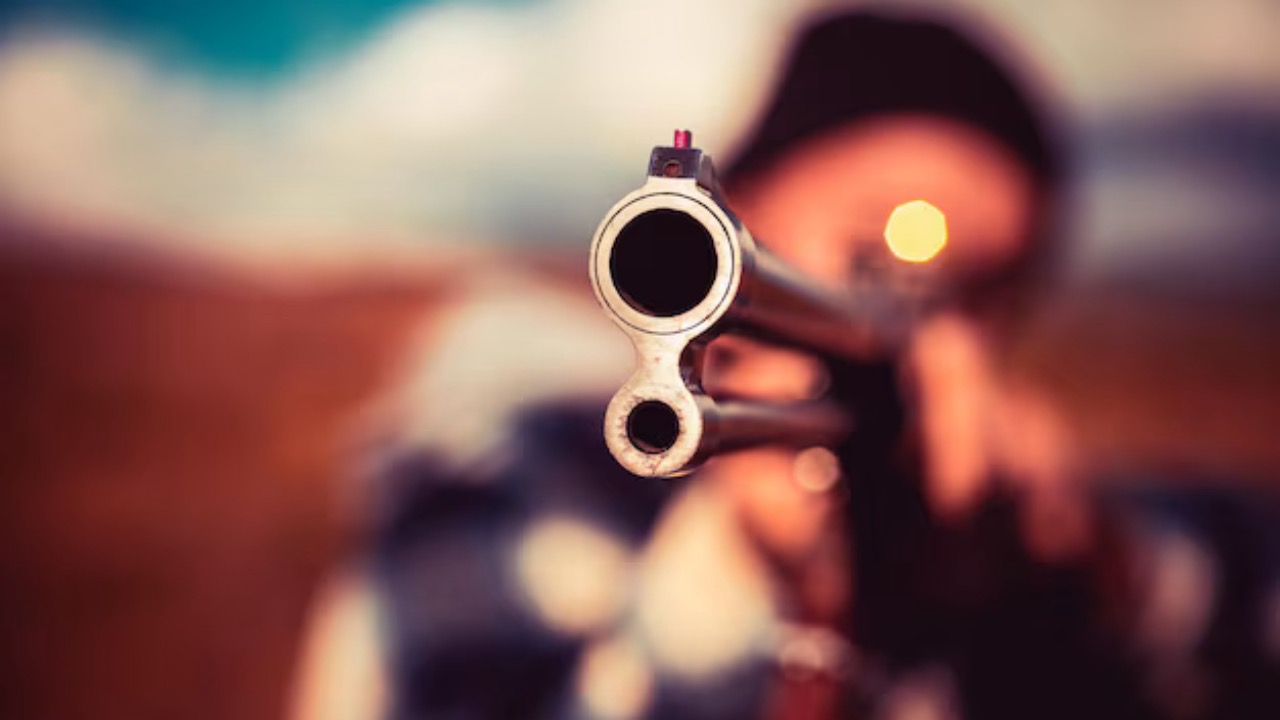
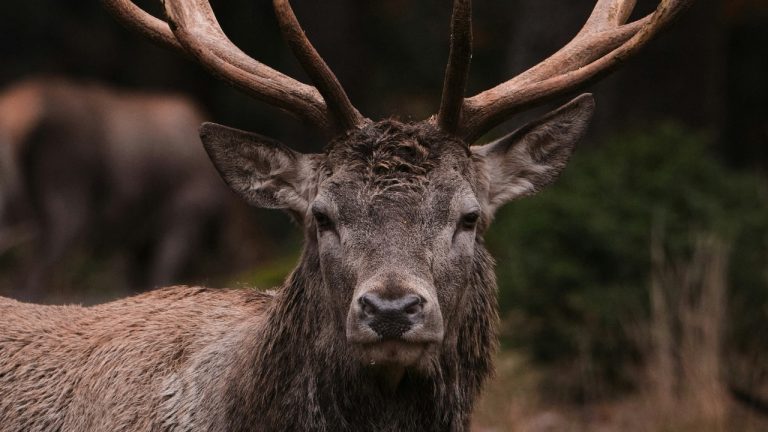
Hard-to-stop animals fall into two broad camps. The first is large but relatively thin skinned, such as elk, Moose and big-bodied deer. In North America, elk are described as one of the largest and most powerful game animals, capable of covering ground quickly and soaking up punishment if hit poorly, which is why guides stress that North America hunters need both accuracy and penetration.
The second group is the genuinely dangerous, thick skinned species. African outfitters classify Cape buffalo, for example, as a heavy, shielded target that can soak up hits from marginal cartridges and still charge. Similar concerns apply with grizzly and big brown bears, where muscle and bone density demand deep penetration and a wide wound channel rather than sheer speed.
Guides who specialize in Buffalo and Bison Hunts Hunting for Buffalo in North American herds describe these animals as among the biggest on the continent, with massive shoulders and heavy ribs that can stop light, fast bullets. That is why many professional hunters and booking agents recommend cartridges that qualify as big bore or near it when clients target Buffalo or similar game.
Core ballistics: energy, bullet weight and construction
On tough animals, bullet construction matters as much as caliber. In bear country, experienced guides say they prefer deep penetrating designs that punch clear through a bear and make two holes rather than one shallow crater. The same logic applies to elk and moose, where outfitters advise a caliber that can drive through thick hide and stout bones for a quick kill, as highlighted in guidance that tells hunters to Think about Moose, black bears and elk when picking a single rifle for big game.
Heavier bullets carry more momentum, and one big game rifle guide notes that Heavier bullets can provide significant power and energy, especially for medium sized game in brushy or forested environments where shots are close and angles are poor. Another reference on long range shooting lists a Typical bullet weight that is Often loaded 150 to 220 g in some popular .30 caliber cartridges, with 180 to 200 g options giving a useful balance of flat trajectory and impact authority.
Velocity and energy matter most when they arrive in the vital zone. A long range hunting review points out that the 7mm STW can push 160-grains bullets to about 3,200 feet per second, and that this load still carries more than 2,000 pounds of energy at 400 yards. That kind of retained punch is what separates serious elk and moose rounds from cartridges that run out of gas before they reach the target.
Proven all around big game calibers
For hunters who want one rifle that can stretch from deer to elk, several cartridges show up repeatedly in expert lists. A big game ammo overview highlights a classic .30 caliber that is plenty capable of dropping whitetails, antelope, elk and caribou out past 300 yards, and notes that it delivers punishing terminal energy on big game animals when paired with the right bullet. That same family of cartridges appears in a rifle caliber chart that lists Caliber .300 Win with an Effective Range of 700 yards and tags it as Best For Elk, moose, grizzly and other large game at long range.
Education material for new hunters singles out the 300 Winchester Magnum as a step up for bigger animals and longer shots and also flags the 300 PRC as a modern option for elk and moose at extended distances. That guide on how to choose big game hunting cartridges, which is shared widely through Facebook, Twitter and Pinterest links, treats the 300 line as a benchmark for serious long range performance.
Another survey of all around cartridges mentions the 338 Winchester Magnum and notes that with heavy 250-grai bullets it offers flat trajectories and enough horsepower for tough North American game. In the same family of heavy hitters, a list of top big game loads describes 416 Rem Mag as capable of taking down the biggest wild game animals in the world, even though the same piece also references a bullet weighing 140-grains in a different context to show how bullet weight scales across species.
For medium to large game in the lower 48 states, a separate analysis of hunting rifle cartridges points out that one versatile round can use bullets between 100 and 250 g, while the 308 Winchester generally tops out at 200-grain bullets. That flexibility lets hunters tailor loads for pronghorn one week and elk the next without changing rifles.
Stepping up for elk, moose and bison
Elk specific guidance is blunt about the need for power. One cartridge roundup states that Elk are strong animals with thick hides and dense bones and that You need a cartridge that can cut through all of this and deliver a successful kill. Another list of the best calibers for elk hunting praises heavy grain bullets that promise remarkable penetration and that will blow through dense bone on high shoulder shots.
Moose are described as the biggest members of the deer family, with Alaskan animals in North America reaching enormous size that gives them a dangerous reputation when wounded. Outfitters who coach clients on becoming a one rifle hunter stress that Moose, black bears and elk require a caliber with enough sectional density and construction to break heavy shoulders and still reach the lungs.
On the plains and in private herds, Buffalo and Bison Hunts Hunting for Buffalo are marketed as a chance to pursue one of the biggest North American animals there is. Guides who arrange these hunts often steer clients into cartridges that approach big bore territory, especially when shots are close and animals are quartering away. In that context, a cartridge comparison notes that 45 70 does a fantastic job at hitting hard at close ranges and calls 45 70 perfect for hunting big and potentially dangerous game where reach matters less than authority.
When the game can hit back: dangerous game calibers
Once the target list includes Cape buffalo, big bears or African thick skinned species, hunters enter the world of true dangerous game cartridges. A review of the 10 best options highlights the classic .375 H&H and notes that a modern .375 Ruger is one of the most affordable rifles in this class, with standard loads built around 300 and 270-gra bullets that balance penetration and trajectory. That same analysis ranks these cartridges as capable of handling the largest land animals on earth when paired with proper bullets.
Another big game ammo guide identifies 40 caliber (10mm) and above as the threshold for big bore rifles and explains that these guns fire heavy, large diameter bullets designed to penetrate tough hides and thick bones on dangerous game like bears and African species. African bullet specialists add that solid, controlled expansion designs are probably the best choices for thick skinned game, while lighter, faster expanding bullets can be reserved for lion and other softer targets.
Safari operators in southern Africa explain that Caliber selection depends on the game being pursued and that for most plains game species, medium calibres starting from 7mm are suitable. The same outfitters and others who run Hunting Cape Buffalo in South Africa and Zimbabwe Read More Cape Buffalo hunts often require clients to bring cartridges that meet a minimum diameter and energy standard, with many recommending .375 and larger for frontal shots on buffalo.
In Australia, guides who host Banteng and Buffalo hunts on the Cobourg Peninsula publish lists under headings such as The Best Dangerous Game Rifle and emphasize that When targeting Banteng and Buffalo, a rifle that can drive a heavy bullet through the shoulder shield is non negotiable. They also remind clients that a capable guide is equally indispensable when the quarry can charge.
Shotgun hunters are not left out. A catalog from Brenneke of slug designs markets certain loads for The heaviest, thick skinned and or dangerous game, including buffaloes, grizzly and brown bears and lions, and answers the question Why by pointing to deep penetration and straight line performance from hardened, weight forward slugs.
Managing recoil and real world shootability
Raw power is only useful if the shooter can place the shot. A short video review of heavy recoiling rounds describes these as the three heaviest hunting calibers tested that day, listing 308, the iconic 300 and 300 Win Mag, and labels the clip as a Top entry in the Hardest Kicking Hunting Car series. The point is clear: cartridges that look good on paper can punish the shoulder and cause flinching if the rifle is too light or the stock poorly fitted.
Guides who focus on large, potentially dangerous game such as moose or large bear advise clients that for so called stopping power, many experienced hunters favor big magnums, but they also caution that a slightly smaller caliber that the shooter can handle confidently may save a life more reliably than a punishing cannon that leads to missed shots.
Rifle makers that cater to backcountry hunters echo this balance. One overview of the best hunting rifles notes that if a hunter is after something big and burly or might bump a bear, a rifle that can send a heavyweight projectile with authority is smart, but it still needs to be accurate, manageable and quick to cycle under stress.
Bullet choice: the other half of the equation
Several sources remind hunters that bullet selection is just as important as caliber. A guide to choosing the right bullet for black bear in northwestern British Columbia stresses that the best black bear bullets share characteristics such as controlled expansion, high weight retention and the ability to penetrate through both shoulders.
On the handgun side, a major ammunition maker warns that no one wants to run into an angry boar when not on a boar hunt and recommends loads that offer better terminal performance on large, angry threats, again focusing on deep penetration and reliable expansion rather than sheer speed.
For African thick skinned game, bullet experts argue that solids and premium controlled expansion designs are probably the best choices, while lighter, faster expanding bullets can be reserved for cats and plains game. That same reasoning appears in North American bear rifle advice, where writers say they much prefer deep penetrating bullets in a cartridge big enough to punch clear through a bear and make two holes.

Leo’s been tracking game and tuning gear since he could stand upright. He’s sharp, driven, and knows how to keep things running when conditions turn.