The Most Overlooked Factor in Hunting Accuracy
Most hunters blame missed shots on rifles, cartridges, or optics, but the real difference between punching paper and cleanly killing game usually comes down to one thing: how well your practice matches what you face in the field. The most overlooked factor in hunting accuracy is not raw precision or fancy gear, it is whether your training, mindset, and setup are built around real hunting conditions instead of perfect benchrest scenarios. When those two worlds finally line up, hit rates climb, wounding drops, and confidence stops being a guess.
The Real Gap: Precision vs Field Reality
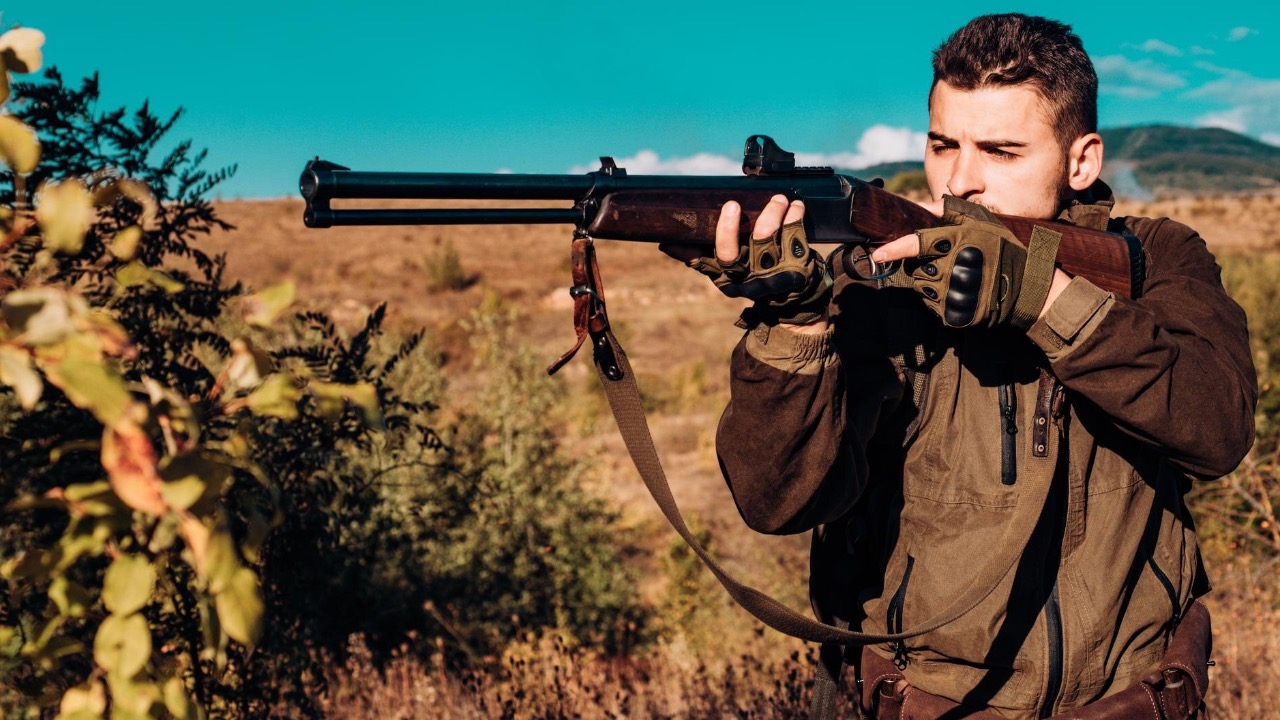
On the range, it is easy to chase tiny groups and forget that animals do not stand broadside at 100 yards while you rest on sandbags. The core problem behind most accuracy complaints is the gap between how a rifle performs in controlled testing and how the hunter performs in awkward, rushed, or stressful situations. Aug calls this disconnect The Real Cause of Hunting Accuracy Problems, a clash between Precision on paper and Field Reality on game, and he is right that this confusion can even create dangerous shots when people assume the rifle will cover for sloppy execution.
That same theme runs through modern hunter education, which spends a lot of time explaining Precision and Accuracy, Which Is More Important For Hunters. Precision is how tight your group is, accuracy is how close those shots land to where you aimed, and Field Reality is whether you can do either when your heart is pounding and your pack is digging into your shoulder. When I look at blown opportunities in elk timber or on windy prairies, the pattern is clear: the rifle was usually fine, the shooter simply had not trained in the same positions, time limits, and conditions that the hunt demanded.
What The Numbers Say About Real-World Hits
It is tempting to treat every miss as bad luck, but the data tells a more specific story. In one large analysis of deer culls, the researchers reported that Overall, 96% of deer were hit, of which 93% were killed outright, and they tied reduced hit probability to longer ranges, rushed shots, and poor practice under realistic shooting conditions. The rifles were not the limiting factor, the way people prepared and the choices they made in the moment were.
That lines up with what I have seen guiding hunters who could shoot tight groups at home but struggled when the shot came off a backpack or from a kneeling rest. When the study points to the need for practice under realistic shooting conditions, it is describing the same overlooked factor I see in camp every fall: people train for the test they want, not the test the hunt will give them. The result is a high hit rate on paper and a much lower rate of clean, immediate kills in the field.
Why Bench Groups And Sub-MOA Specs Mislead Hunters
Modern marketing has convinced a lot of hunters that accuracy lives in the spec sheet. If a rifle promises sub-MOA and your buddy’s three-shot group looks like a cloverleaf, it is easy to assume the hardware has solved the problem. The reality is that Limitations of Prioritizing MOA show up fast once you leave the bench, because a focus on tiny groups can hide bad fundamentals, poor fit, and unrealistic expectations about what you can do from field positions.
Even in the airgun world, where distances are shorter, writers point out that if the hardware and software, meaning the rifle, sights, and shooter, are printing 2 inch groups at 50 yards, a half inch shift in impact represents a 100 percent deviation from the center. That kind of perspective matters more than bragging about sub-MOA, because it forces you to think about where the bullet actually lands relative to the vital zone, not how pretty the group looks. When I see hunters obsess over one ragged hole at 100 yards but never shoot from sticks or a pack, I know they are training for the wrong contest.
Fit, Triggers, And The Human Side Of The Rifle
The most accurate rifle in the world will not save you if it does not fit your body or if the trigger surprises you in all the wrong ways. Aug points out that Fit is another crucial factor, and one of the best rifle accuracy tips you will hear is to make sure the stock meets your shoulder and cheek the same way every time. One of the easiest ways to ruin a good shot is to run a rifle that is too long, too short, or too high in the comb, because then your eye, scope, and bore never line up consistently.
Trigger control is the other half of that human interface. Oct reminds shooters that Every trigger feels different in weight, contour, and cycle, but your finger motion should be repeatable and smooth, not a jab or a flinch. Finally, there is you, the shooter, and as one airgun column bluntly puts it, Finally, Consistency is key, because if you are yanking the trigger like you are trying to crush a walnut, you should not expect every pellet you send downrange to land where you want. I have watched more animals saved by a clean, predictable trigger and a stock that actually fits than by any new cartridge launch.
Focus, Mental Reps, And The Shot You Can Control
Once the rifle fits and the trigger is tuned, the next overlooked piece is mental, not mechanical. I have seen calm, methodical shooters turn into strangers when a big buck steps out, because they have never practiced managing their focus under pressure. Mar describes how Only when you build a focus routine into everyday shooting will you be able to repeat it when it really counts, and that is as true for rifles as it is for bows.
On the gun side, Jul notes that Shooting for Accuracy with All Guns comes down to a handful of habits, and There are some tips and tricks that matter more than the rest, like picking a clear aiming point, breaking the shot during a natural respiratory pause, and calling every impact. When I coach hunters, I have them talk through the shot out loud on the range, from finding the animal to settling the crosshairs, so that by the time they are in a blind or on a ridge, their brain has already walked that path hundreds of times.
Zeroing, Practice, And Matching Your Hunt
None of this matters if your rifle is not actually hitting where you think it is. Mar points out that Properly Zeroing and Practicing with Your Hunting Rifle is the foundation, and that Most shots that result in missed or wounded game are not because the rifle is inherently inaccurate, but because the zero is off or the shooter has not practiced from realistic positions. Unsatisfyingly, fixing our greatest source of error is not glamorous, it is confirming that your zero is still true and then burning powder from the same rests, angles, and ranges you will see on your hunt.
That is where field-style practice comes in. In a conversation on the Efficient Hunter and Student Nature podcast, Jun and Hunter and their guest talk about how to never miss a shot when hunting by training in the widest context, not just from a bench. I tell people to shoot off backpacks, tree limbs, shooting sticks, and even from awkward kneeling or sitting positions, because that is what the woods will hand you. When your zero is confirmed and your practice mirrors your hunt, the rifle stops being a question mark and becomes a known quantity.
Weather, Wind, And The Conditions We Ignore
Even with a perfect zero and solid fundamentals, the environment can wreck a shot if you have not learned how it moves a bullet. Nov reminds hunters that Therefore, understanding common shooting mistakes is essential, and wind and weather conditions can significantly affect bullet trajectory. I have watched bullets drift off a mule deer’s ribs in a crosswind that felt harmless at the truck but was screaming through a saddle, and the hunter had never once held off for wind on the range.
That is why I push people to shoot in less than perfect conditions. Rain, cold, and gusty wind all change how you mount the rifle, how you see through the scope, and how the bullet flies. When you have felt a 10 mile per hour crosswind move your impact at 200 yards, you stop guessing and start making informed holds. The overlooked factor here is not some secret ballistic trick, it is the willingness to get uncomfortable during practice so that bad weather on a hunt feels familiar instead of terrifying.
Putting It Together: Training For The Shot That Matters
When you step back from the gear talk and look at what actually drives clean kills, a pattern emerges. Accuracy in the field is built on a rifle that fits, a trigger you can run smoothly, a zero you have verified, and practice that looks like real hunting, not a benchrest match. Aug, Jul, and Oct all circle the same idea from different angles, and Oct adds that a shooter can be considered accurate if their shots are centered on the target even if the groupings are not tight, which is exactly what matters on a deer’s lungs.
From there, the job is to keep your expectations honest. If your rifle and your own “software” are shooting 2 inch groups at realistic ranges and positions, and you understand how wind, weather, and angles affect that, you are in a far better place than the hunter chasing half inch groups from a concrete bench. The most overlooked factor in hunting accuracy is not a new gadget or a magic load, it is the discipline to line up your training, your mindset, and your equipment with the real world you hunt in, shot after shot, season after season.

Asher was raised in the woods and on the water, and it shows. He’s logged more hours behind a rifle and under a heavy pack than most men twice his age.