The M1 Garand’s Semiautomatic Firepower Gave American Troops a Decisive Edge Over Axis Forces in World War II
You step into the role of an American infantryman landing on a beach or pushing through European hedgerows, and the rifle in your hands changes everything about how you fight. The M1 Garand delivered eight rounds of .30-06 power as fast as you could pull the trigger, without the constant manual cycling required by the bolt-action rifles carried by German, Japanese, and Italian soldiers. This shift gave U.S. troops a real edge in volume of fire during critical moments.
Developed in the years after World War I and adopted by the Army in 1936, the Garand represented a deliberate move toward equipping every rifleman with greater capability. By the time large-scale combat arrived, millions had been produced, and they reached units across every theater. The design proved rugged enough to handle sand, mud, snow, and jungle while maintaining accuracy and function that soldiers came to rely on.
How the Garand Worked and Why It Mattered

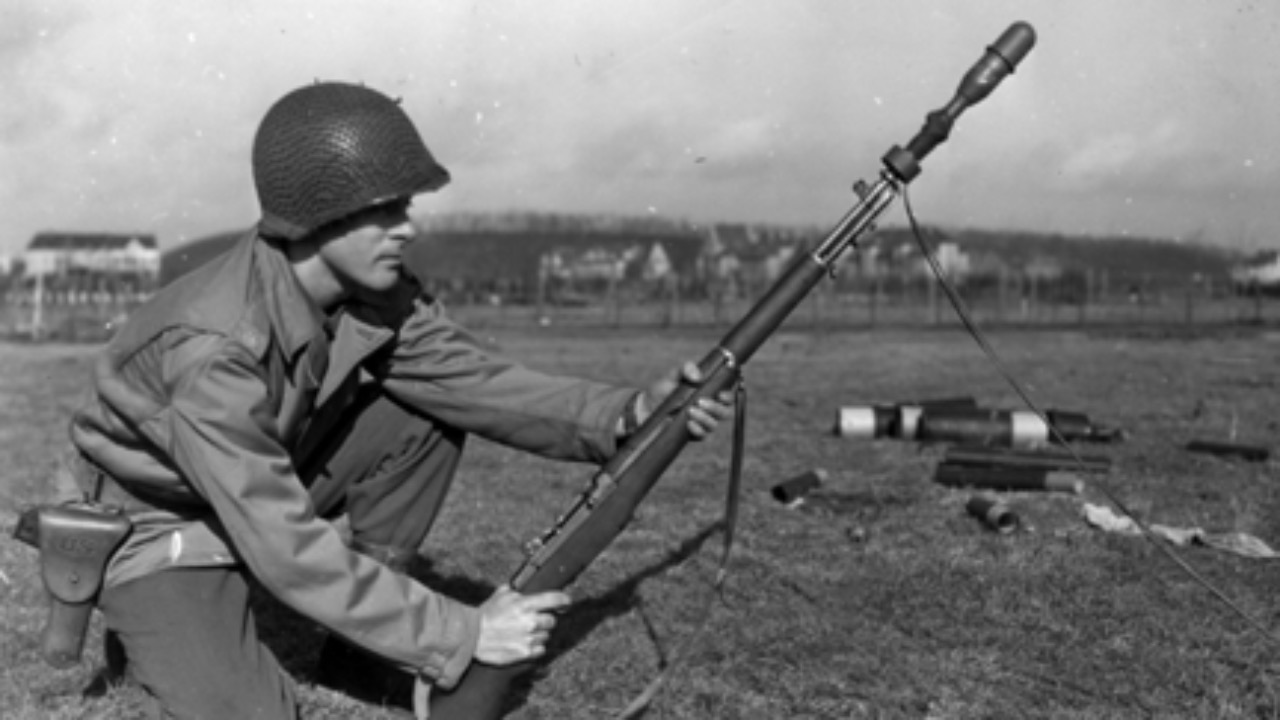
The gas-operated mechanism used some of the propellant gas to cycle the action automatically. You kept your cheek on the stock and your eyes on the target while sending follow-up shots downrange faster than opponents could manage. An eight-round en bloc clip loaded from the top, and the rifle ejected the empty clip with a metallic sound after the last round.
This setup let trained soldiers achieve practical rates of 40 to 50 aimed rounds per minute. Bolt-action users, working the handle after every shot, typically managed far less in the heat of combat. The difference showed up in firefights where sustained pressure or rapid engagement decided who advanced and who fell back.
Facing the Standard Axis Rifles
German troops carried the Karabiner 98k, a solid Mauser descendant with five rounds. Japanese forces used the Arisaka Type 99 or earlier models, also bolt-action with similar capacity. Italian troops had their own bolt designs. In each case, the shooter had to work the bolt manually between shots, which slowed follow-ups and often forced a momentary loss of aim.
American units with the Garand could maintain fire while moving or shifting positions. This capability supported tactics that emphasized aggressive advances backed by rifle fire. Opponents frequently described facing what felt like automatic weapons from individual soldiers, even though the Garand fired only one round per trigger pull.
Training and Practical Firepower
U.S. training emphasized marksmanship combined with volume. You learned to deliver accurate shots quickly, then keep pressure on the enemy while buddies maneuvered. The semiautomatic action reduced fatigue from constant bolt manipulation and helped maintain sight picture during stress.
In practice, this translated to more hits on fleeting targets and better suppression during assaults. Squads could generate enough fire to pin down positions or cover their own movement without always depending on crew-served machine guns. The rifle’s power and reach also worked well out to several hundred yards, matching or exceeding the effective ranges of enemy standard arms.
Reliability Across Theaters
From North African deserts to Pacific islands and the frozen Ardennes, the Garand held up. Its parts tolerated dirt and rough handling better than many expected, and field stripping remained straightforward for cleaning and maintenance in forward positions. Soldiers appreciated that it kept working when conditions turned harsh.
Early production tweaks, including a switch from gas-trap to gas-port design, smoothed out initial issues before major deployments. By the height of the war, the rifle had earned trust across Army and Marine units. Marines on Guadalcanal saw the difference when Army reinforcements arrived with Garands and pushed for their own.
The Clip System in Combat
Loading involved inserting a full eight-round clip, which seated firmly and allowed immediate resumption of fire. Once the last round left the barrel, the empty clip ejected upward and to the rear. Many stories circulate about that sound giving away an empty rifle, but battlefield reality made it nearly impossible for enemies to hear and act on it amid gunfire, explosions, and movement.
Veterans and tests showed reloading happened fast enough that any momentary pause rarely created vulnerability. Soldiers sometimes carried extra clips ready in bandoliers, keeping their rifles fed during intense engagements. The system prioritized speed and simplicity over detachable magazines common in later designs.
Influence on Infantry Tactics
With every rifleman able to deliver more rounds accurately, American squads operated with greater independence and aggression. You could lay down covering fire while others flanked or assaulted. This flexibility reduced reliance on fixed positions and supported the mobile warfare that characterized many U.S. operations.
Commanders noted the morale boost as well. Troops felt they carried a weapon that matched or surpassed what the enemy held. The cumulative effect across platoons and companies added up to noticeable advantages in small-unit fights that fed into larger victories.
Production Scale and Battlefield Numbers
American industry turned out millions of Garands during the war, arming not just frontline infantry but support troops when needed. Springfield Armory and other manufacturers scaled up output while maintaining quality standards. This availability meant replacements reached units quickly after losses or damage.
By comparison, Axis efforts at semiautomatic rifles like the German G43 or Soviet SVT-40 came later, in smaller numbers, and never replaced bolt actions as the primary arm. The U.S. commitment to the Garand from before Pearl Harbor paid off once fighting intensified.
Lasting Reputation Among Troops
Soldiers who carried the Garand in combat often spoke of its balance, accuracy, and dependability. The weight felt solid without being unmanageable, and the recoil stayed manageable for follow-up shots. Many preferred it over earlier bolt-action Springfields once they experienced the difference in fire volume.
That edge contributed to tactical successes across theaters. While no single weapon wins a war, the M1 Garand helped give American infantry the tools to press advantages when it counted. Its influence extended into the postwar years and remains a benchmark for what a service rifle can deliver.

Asher was raised in the woods and on the water, and it shows. He’s logged more hours behind a rifle and under a heavy pack than most men twice his age.