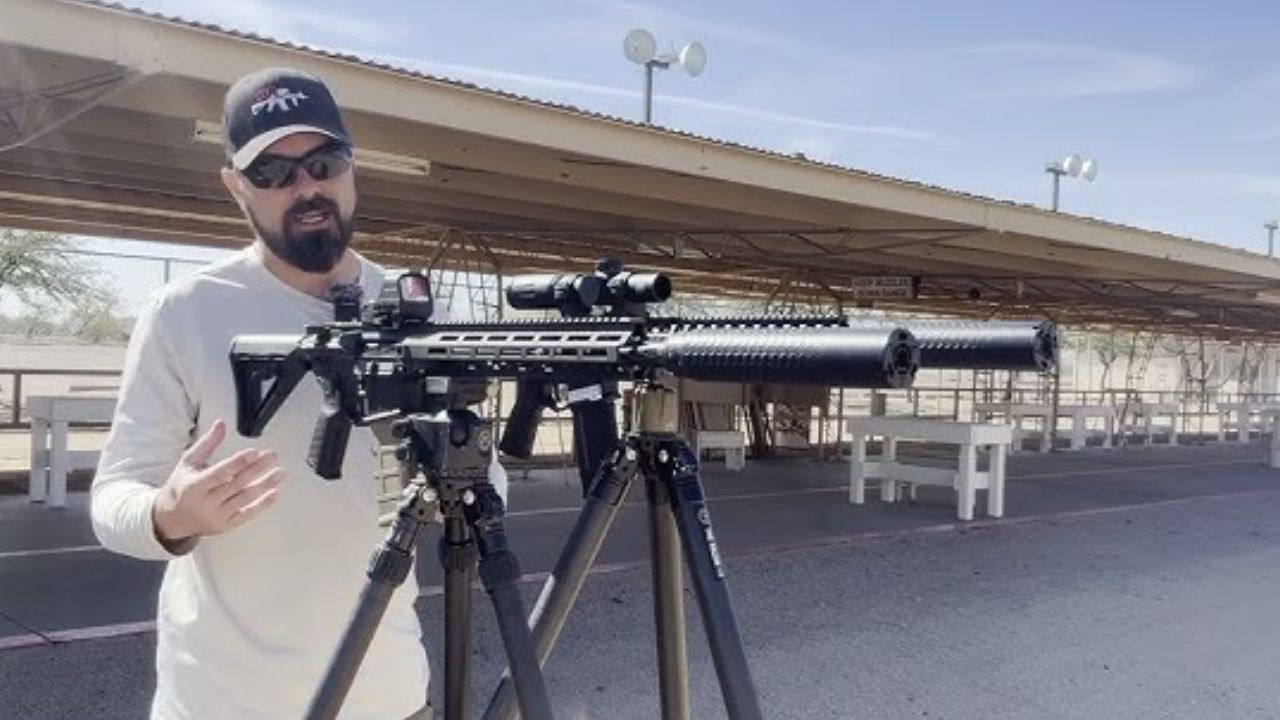
Federal Tax Stamp on Suppressors, SBRs and SBSs Eliminated Starting January 2026
A major shift in U.S. firearms policy quietly took effect at the start of 2026—one that’s already having a noticeable impact on gun ownership and the industry as a whole.
As of January 1, 2026, the long-standing $200 federal tax stamp required for certain firearms under the National Firearms Act (NFA) has been reduced to $0 for several commonly regulated items.
What Actually Changed
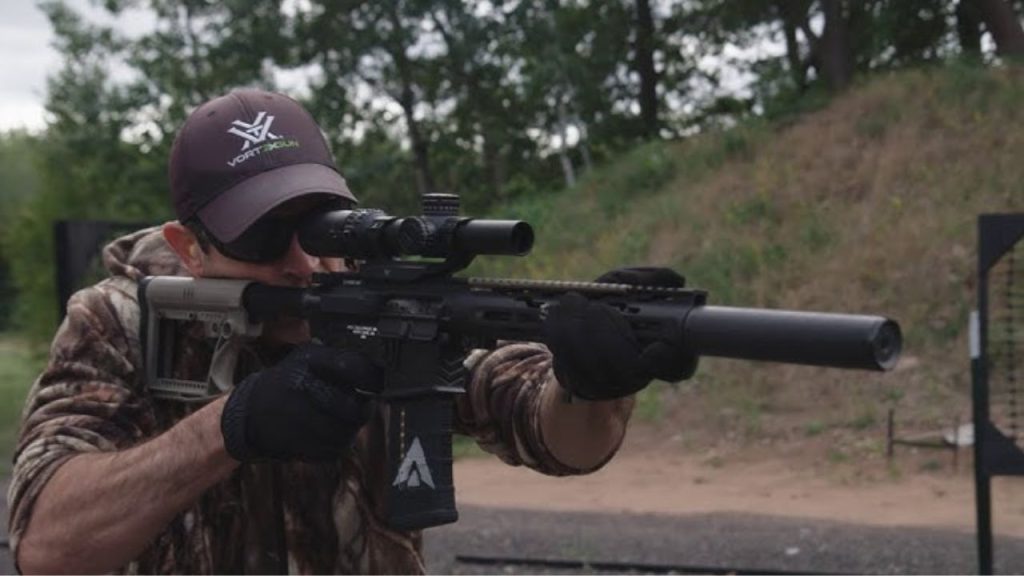
For decades, anyone purchasing or building items like suppressors or short-barreled firearms had to pay a $200 tax—an amount originally set in 1934 to discourage widespread ownership.
Now, that tax has effectively been eliminated.
The change applies to:
- Suppressors (often called silencers)
- Short-barreled rifles (SBRs)
- Short-barreled shotguns (SBSs)
- Other similar NFA-regulated items
Starting in 2026, buyers no longer need to pay that fee when submitting their application.
What Didn’t Change
Despite the headline, this is not full deregulation.
The underlying NFA system is still in place, meaning:
- Background checks are still required
- Federal paperwork and registration still apply
- Approval from federal authorities is still needed
In other words, the process remains largely the same—the cost is just lower.
Why the Tax Existed in the First Place
The $200 tax was originally created during the 1930s as part of an effort to limit access to certain weapons during the era of organized crime.
At the time, $200 was an enormous amount of money (equivalent to several thousand dollars today), making it a major barrier to ownership.
Over time, however, that amount never changed—meaning its real impact gradually decreased as inflation rose.
Immediate Impact: A Surge in Demand
The removal of the tax has already had a noticeable effect.
Reports indicate:
- Massive spikes in suppressor applications immediately after January 1
- Increased interest in short-barreled firearms
- A rush of buyers trying to take advantage of the lower cost
Some industry data suggests applications jumped dramatically as soon as the change took effect.
Why This Is a Big Deal
While removing the tax might sound like a small administrative change, many see it as a major shift in how these items are treated under federal law.
Supporters argue:
- It removes an outdated financial barrier
- It brings suppressors closer to being treated like standard firearm accessories
- It’s a step toward broader reform of the NFA
Critics argue:
- It could increase access to regulated firearm equipment
- It lowers the barrier to ownership without removing regulatory oversight
- It may lead to further legal challenges around the remaining system
What Could Happen Next
The change has already sparked new legal and political debates.
Some advocacy groups argue that if the tax—the original legal justification for the NFA system—is gone, the remaining registration requirements could face constitutional challenges.
So far, courts have not resolved those questions.
The Bigger Picture
This isn’t the end of regulation—but it is one of the biggest changes to the system in decades.
For nearly a century, the $200 tax stamp was one of the defining features of NFA-regulated items.
Now that it’s gone, the landscape is shifting—potentially setting the stage for even larger legal and policy battles in the years ahead.

Leo’s been tracking game and tuning gear since he could stand upright. He’s sharp, driven, and knows how to keep things running when conditions turn.