
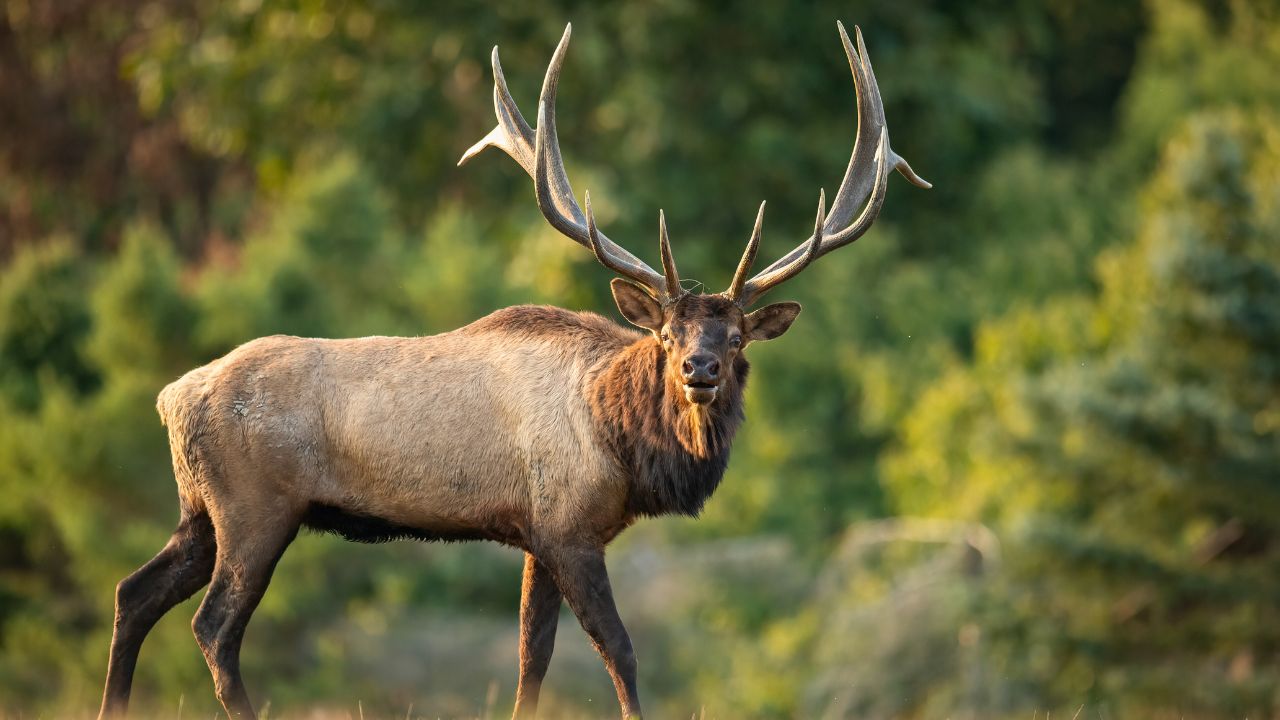
Why You Keep Busting Elk Before You Ever See Them
Elk hunting has a way of humbling even the most experienced hunters. These animals don’t play by whitetail rules. Their noses are brutal, their eyes are better than most folks realize, and their ears catch things that shouldn’t make noise in the woods.
If you’re wondering why you keep hearing crashing hooves or spotting elk disappearing over the next ridge before you ever lay eyes on them, you’re running into the same mistakes a lot of hunters make. Elk won’t tolerate sloppy moves. They won’t give second chances. And the mountain always tells the truth.
You’re Too Loud on the Approach
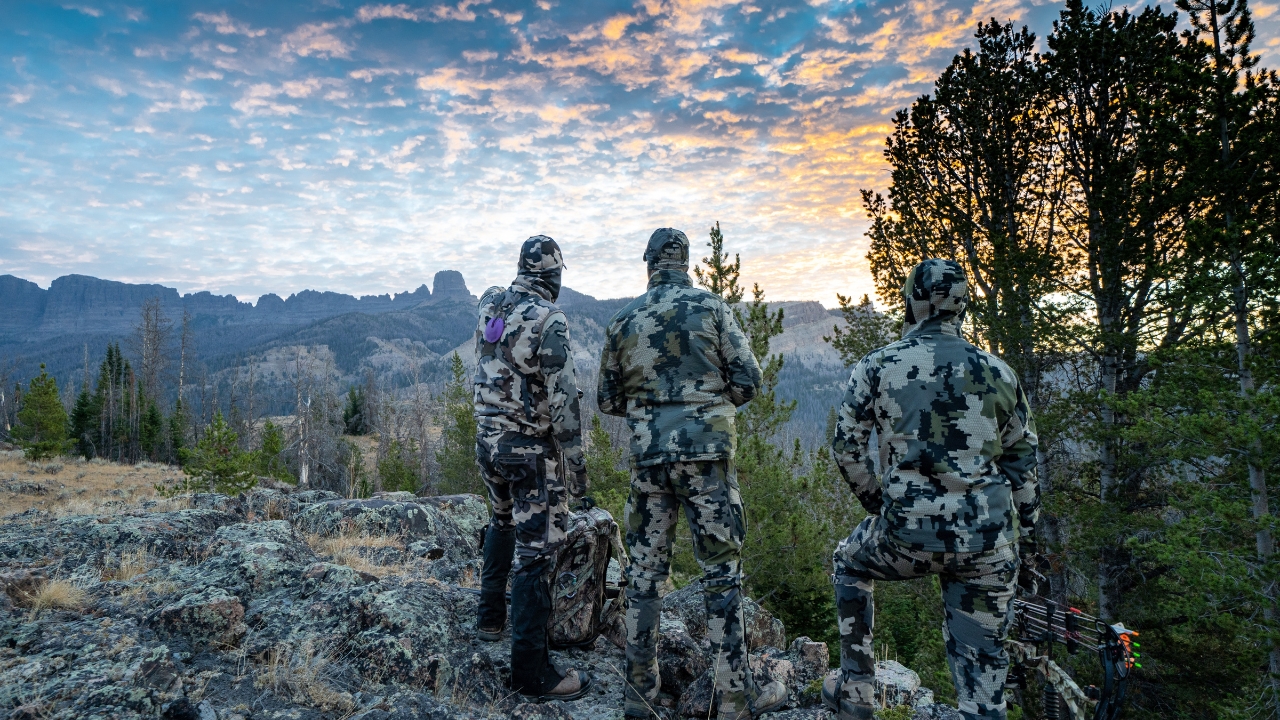
Boots scraping rock, snapping sticks, clanking gear—it all travels farther than you think. Elk country amplifies sound like crazy. It’s not like sneaking through flat woods.
Every careless step echoes through canyons and draws. If you’re not moving slow, watching every step, and silencing gear beforehand, you’re tipping them off long before you ever spot them. Elk know the difference between natural sounds and human noise.
You Don’t Play the Wind Aggressively Enough
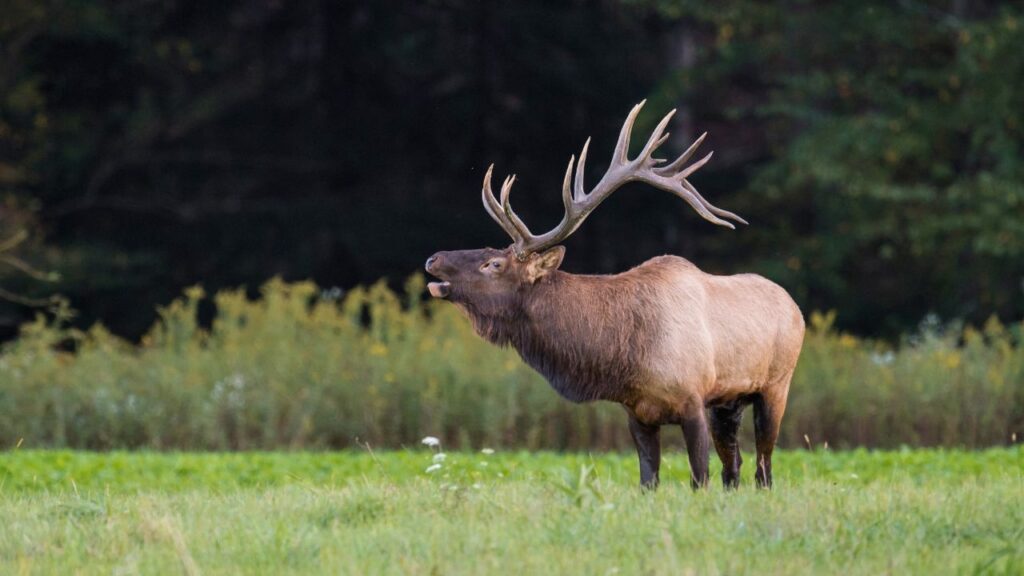
Elk live and die by their noses. If the wind shifts even slightly toward them, the game’s over—whether you see them or not. Guys who try to “cheat the wind” get busted over and over.
You’ve got to pick your routes based on wind first. It may mean climbing higher, dropping lower, or backing out completely. Thermals shift constantly in elk country, and if you aren’t paying attention, they’ll catch you before you’re ever close.
You Call Without a Plan
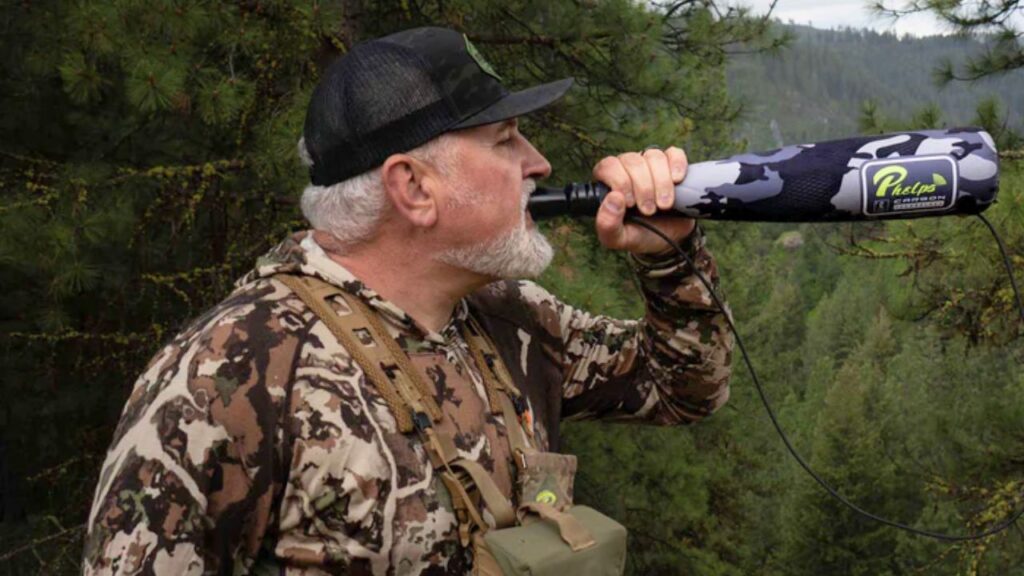
Bugling and cow calls work—but they also get hunters busted when done wrong. Random bugles with no setup, calling from exposed spots, or hammering calls with the wind wrong does nothing but educate elk.
If you call, you need cover behind you, a solid shooting lane, and the wind perfect. Blind calling from a bad spot sends elk slipping out the back door before you ever catch a glimpse.
Your Pace Is Way Too Fast
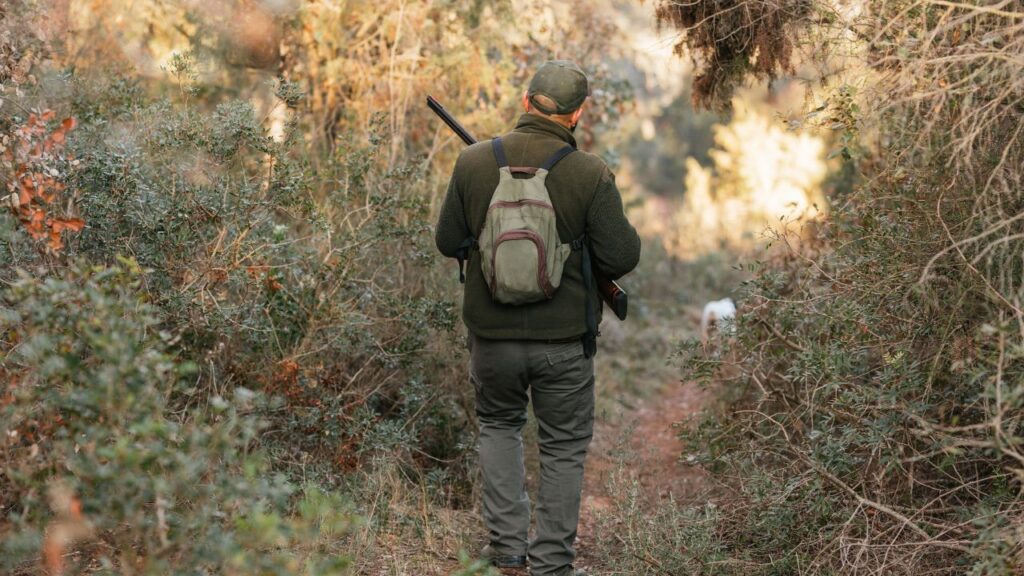
Most hunters move too fast in elk country. They hike like they’re trying to get somewhere, not realizing the elk are already there, listening. Fast footsteps, heavy breathing, and rushed movement get picked off quick.
Slowing down isn’t optional. You need to stop often, scan hard, and let things settle before moving again. Elk catch hunters stomping through the woods long before those hunters ever realize how close they actually were.
You Skyline Yourself
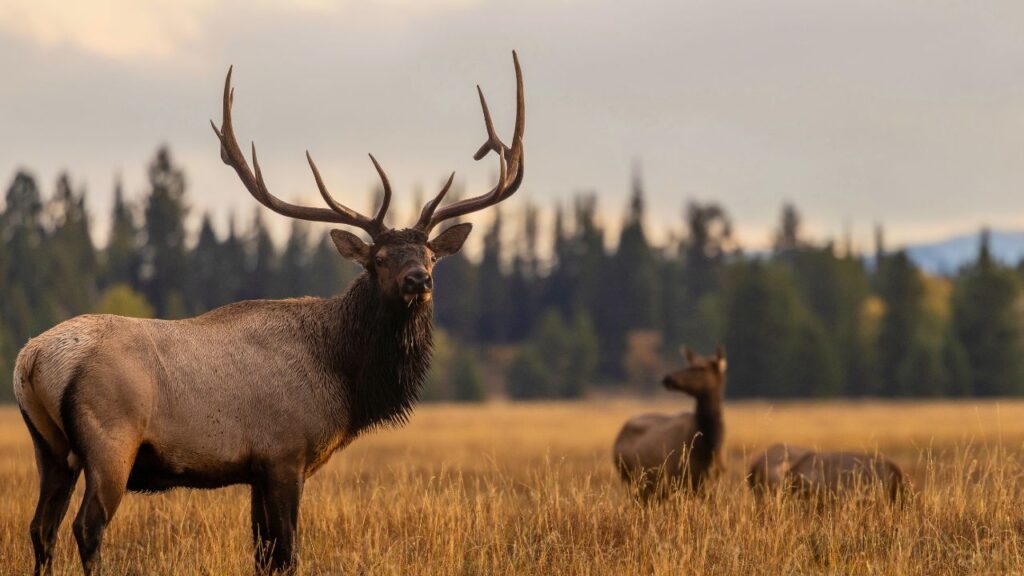
Elk aren’t blind. The second you cross a ridge with the sky behind you, you might as well be waving. Any silhouette on an open ridgeline screams danger.
Smart hunters hug the side of the ridge, stay below the crest, and peek over carefully. Walk right across the top without checking your backdrop, and odds are you’re blowing out a herd you didn’t even know was there.
You Hunt the Wrong Time of Day

Elk are most vulnerable during first light and the last couple hours of daylight. If you’re hiking in at dawn instead of already being where you want to hunt, you’re too late.
Midday elk are usually bedded in thick, hard-to-reach spots. Trying to slip in then almost always ends with blowing them out. If you’re busting elk before seeing them, check if you’re trying to move during the wrong windows.
You Don’t Glass Nearly Enough
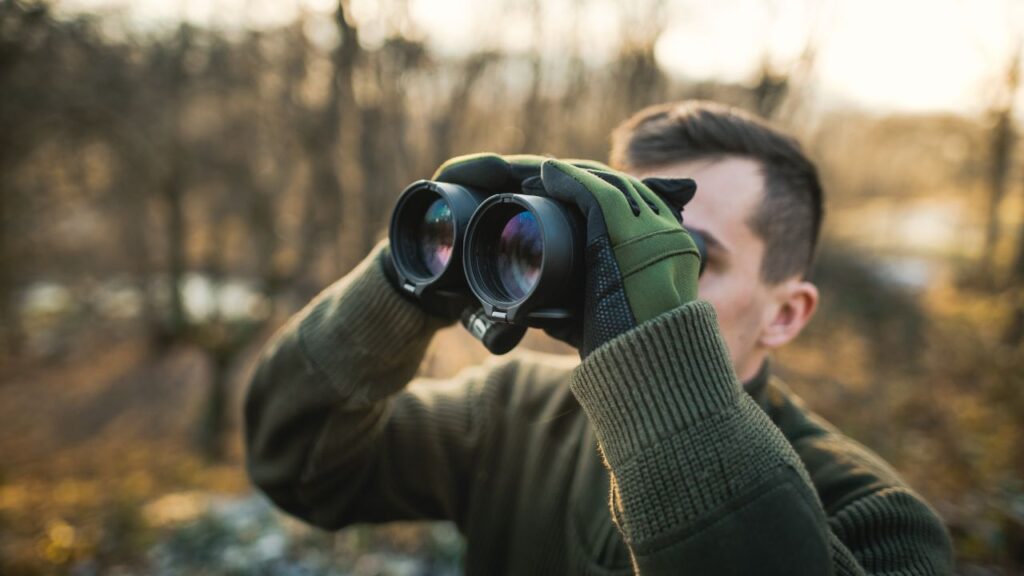
Elk country isn’t like whitetail woods. You don’t stumble into them often—you glass them first. If you’re not spending big chunks of time behind binoculars, you’re walking into places that should’ve been scoped from a distance first.
Glass ridges, benches, and feeding areas before you move in. If you skip this step, you’re walking blind—and blowing elk that were visible if you’d slowed down long enough to spot them.
Your Gear Is Giving You Away
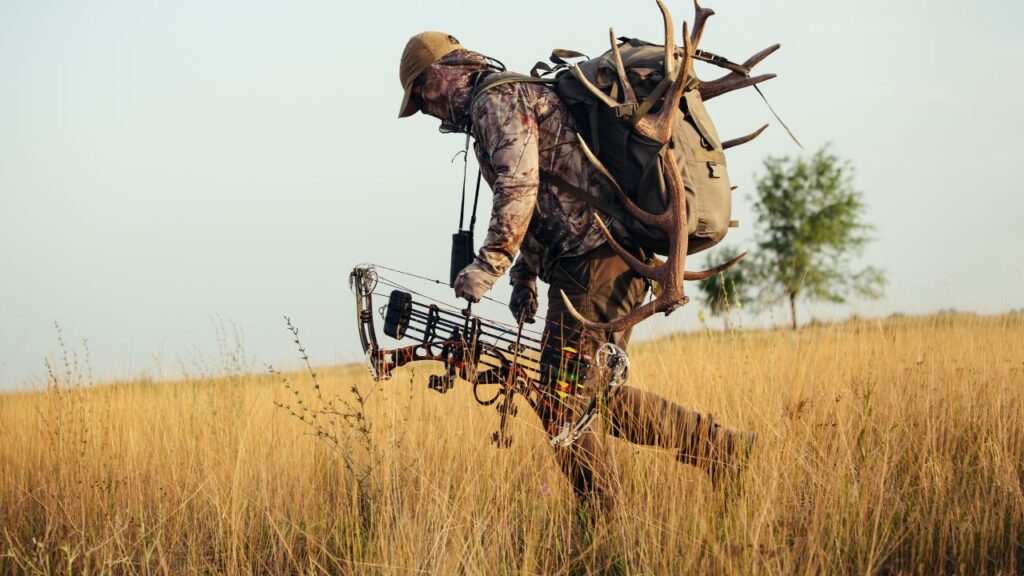
Loose buckles, clanking rangefinders, rattling trekking poles, or noisy fabrics all wreck stalks. Elk may tolerate natural sounds like sticks breaking but unnatural, repetitive noises send them packing.
If you’re busting elk before seeing them, check your gear. Tape metal-on-metal contact points. Ditch anything that jingles. Test everything on a quiet day—you’ll be shocked what makes noise when the woods are still.
You Underestimate How Sharp Their Ears Are
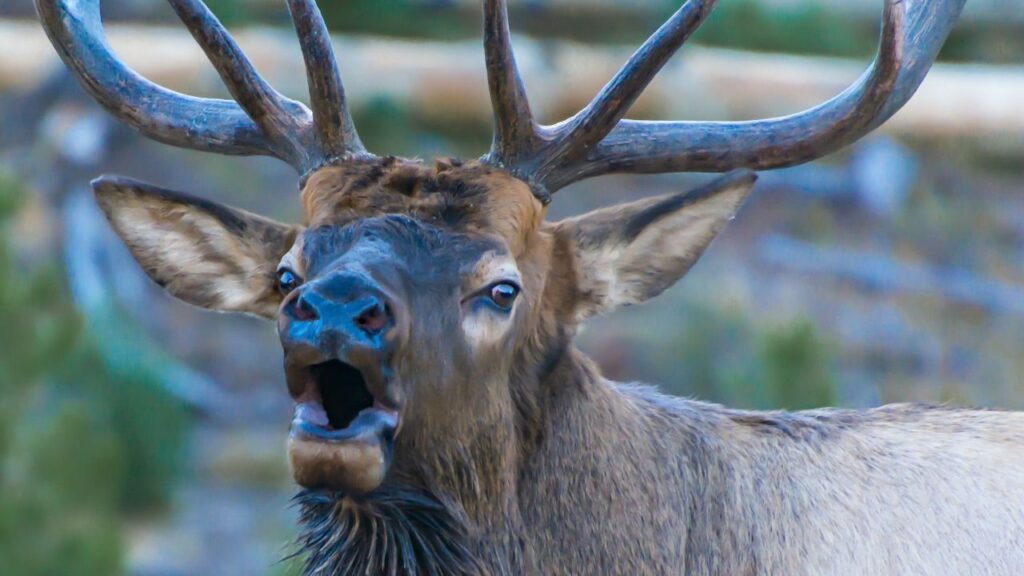
Everyone talks about elk noses, but their ears are no joke. They hear conversations, zippers, velcro, and that subtle click of a release or nock getting set. Elk pick up patterns in sound—and they’ll fade out before you ever see them.
If you’re hunting thick timber, every tiny sound matters. It’s not enough to be quiet on the move. You’ve got to be quiet stopped. Hunters get lazy when they stop walking, and that’s when elk catch them.
You Hunt Bedding Areas Blind
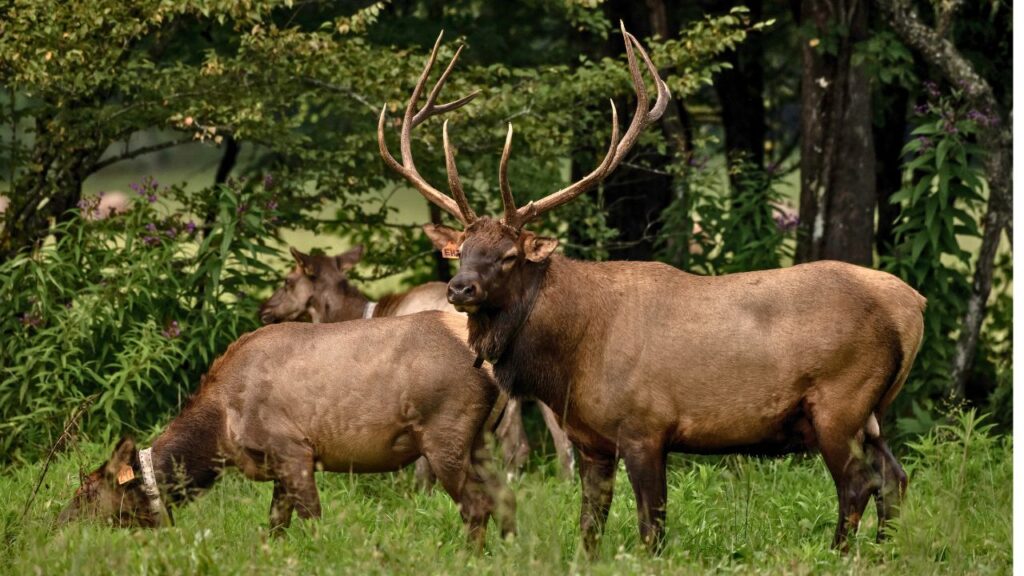
Bedding elk are some of the easiest to blow out and the hardest to hunt. Pushing in without knowing exactly where the herd is ends with elk bailing silently out the back door almost every time.
The guys who kill elk near bedding areas do it because they scouted them first. They glassed them in. They waited for the right wind and the right time. Blindly stomping into a bedding zone is a guaranteed way to hear hooves before you see antlers.

Asher was raised in the woods and on the water, and it shows. He’s logged more hours behind a rifle and under a heavy pack than most men twice his age.


