The outdoor issues people are arguing about right now
You don’t have to spend much time around a boat ramp, trailhead, or hunting camp to hear it—people are arguing. Not in a loud, headline-grabbing way most of the time, but in that steady, ongoing way that shapes seasons, access, and how you spend time outside.
A lot of it comes down to pressure. More people are getting outdoors, technology keeps changing the game, and land and wildlife don’t stretch any farther than they used to. Some of these debates have been simmering for years. Others picked up steam recently and aren’t slowing down. If you spend enough time outside, you’ve probably got a side on at least a few of them.
Public Land Access vs. Private Ownership

You’ve seen it—locked gates where there used to be open roads, or new signage where access felt like a given. As land changes hands, more parcels that once saw casual use are being restricted or closely managed.
At the same time, public land users are pushing harder for guaranteed access. Corner crossing debates, easements, and land swaps are all part of the conversation. Hunters, anglers, and hikers are all feeling the squeeze in different ways. It’s not black and white either. Landowners have real concerns, but so do the people who rely on access to get outside in the first place.
The Pressure Social Media Puts on Wild Places
You don’t have to look far to find a once-quiet spot now packed with trucks and boot tracks. A single viral post can turn a tucked-away lake or trail into a weekend hotspot.
That’s created a split. Some folks think sharing locations helps people connect with the outdoors. Others see it as burning spots that can’t handle the traffic. You’re left balancing exposure against impact. The land doesn’t care why people show up—it only feels the pressure when they do.
Technology in Hunting Is Changing the Playing Field
Trail cameras, mapping apps, rangefinders—they’ve all come a long way. Tools that used to be optional now feel like part of the baseline for many hunters.
Not everyone’s on board with that shift. Some argue it’s taking away from woodsmanship and fair chase. Others see it as part of evolving with the times. States are already stepping in on certain gear, especially around cellular trail cams. You’re watching the line get drawn in real time between tradition and efficiency.
Wolves, Predators, and Management Disputes
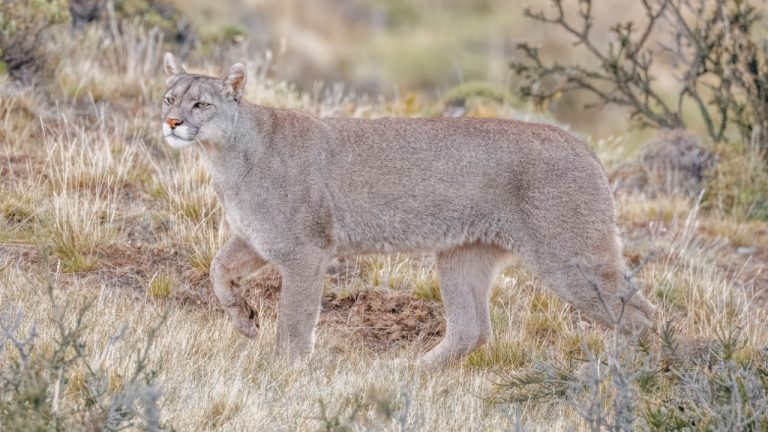
Predator management has always been a hot topic, but it’s especially sharp right now in parts of the West and Upper Midwest. Wolves in particular sit at the center of it.
Ranchers and some hunters point to livestock losses and impacts on elk and deer herds. Others push for stronger protections and minimal intervention. Agencies are caught in the middle, trying to balance biology with public opinion. No matter where you land, it’s one of those issues that doesn’t cool off—it cycles right back every season.
Crowding in the Backcountry
You’ve probably noticed it yourself. Trailheads filling up before daylight, campsites harder to come by, more headlamps moving through country that used to feel empty.
COVID-era spikes in outdoor participation didn’t fully fade. More people stuck with it, which means more consistent pressure year-round. Some welcome it—more voices supporting public lands. Others feel like the experience has changed. Either way, solitude isn’t as easy to come by as it used to be, and that’s driving plenty of quiet frustration.
Tag Allocation and Draw System Frustration
If you’ve been applying for tags, you already know how this feels. Odds are getting longer, point systems more complicated, and demand keeps climbing.
Residents and non-residents often find themselves on opposite sides of the argument. Outfitters, DIY hunters, and agencies all have stakes in how tags are handed out. There’s no clean solution, either. When demand outpaces supply, someone walks away empty-handed—and usually not quietly.
Habitat Loss and Development Pressure
Open ground is getting carved up. Subdivisions, energy development, and road expansion continue to chip away at wildlife habitat across the country.
That loss doesn’t always show up overnight. It happens piece by piece, season by season, until patterns shift. You start seeing fewer animals in places that used to hold them. Conservation groups, agencies, and private landowners are all trying to respond, but it’s an uphill push. Once habitat is gone, getting it back isn’t easy.
The Debate Over Baiting and Feeding Wildlife
Baiting and supplemental feeding have been argued over for years, but concerns about disease have brought it back to the front.
Chronic wasting disease, in particular, has changed how states look at concentrated feeding. Some hunters rely on it. Others see it as a shortcut that creates bigger problems down the line. Regulations vary widely depending on where you are, which only adds fuel to the argument.
Fishing Pressure and Resource Management
More anglers are on the water, and fish populations are feeling it in certain places. You’ll hear it at the dock—smaller fish, tougher days, heavier pressure.
Agencies are adjusting limits, seasons, and stocking programs to keep up. Not everyone agrees with those changes. Some think regulations go too far. Others don’t think they go far enough. Like hunting, it comes down to managing a resource that doesn’t grow fast enough to match demand.
E-Bikes and Motorized Access on Trails
E-bikes have opened up more ground to more people, especially on longer or steeper routes. For some, that’s a good thing.
For others, it blurs the line between motorized and non-motorized use. Traditional users worry about speed, safety, and trail wear. Land managers are trying to sort out where they fit, and rules vary depending on location. It’s another case where access and impact are tied together, and not everyone agrees on where to draw that line.
You don’t have to take a hard stance on every one of these, but you can’t ignore them either. These arguments shape seasons, access, and the kind of experience you’ll have outside. Some will settle over time. Most won’t. That’s the reality when more people care about the same ground—and use it in different ways.

Asher was raised in the woods and on the water, and it shows. He’s logged more hours behind a rifle and under a heavy pack than most men twice his age.