The outdoor survival advice that actually works
Outdoor survival is not about cinematic heroics or eating bugs for the camera. The advice that actually keeps people alive is quieter and more methodical: manage your mind, follow a clear set of priorities, and use a few simple tools well. When I sift through field manuals, rescue statistics and hard‑won lessons from instructors, the same core principles repeat, regardless of terrain or season.
What follows is a practical guide to those principles, stripped of myths and focused on what works when you are cold, tired and scared. It starts with mindset, then moves through proven frameworks for deciding what to do first, how to build shelter and find water, and which pieces of gear genuinely change the odds.
Mindset first: why calm beats gear
Every credible survival framework starts in the same place: your brain. Panic narrows attention, scrambles decision‑making and leads people to run blindly, ignore injuries or abandon useful equipment. Several training programs explicitly state that Your brain is your best survival tool, a reminder that clear thinking is more valuable than any knife or gadget you might be carrying, and that mental discipline is the first line of defense when things go wrong in the backcountry.
In practice, that mental discipline looks like slowing down and deliberately choosing your next move instead of reacting to fear. One wilderness school teaches students to Keep their head and resist the urge to sprint in random directions, noting that scattered, impulsive movement will only make a bad situation worse. Psychological research into Understanding the Psychology of Wilderness Survival Challenges also stresses that Surviving depends heavily on emotional regulation and a sense of control, which can be trained long before an emergency. The most effective advice here is simple: acknowledge fear, breathe, and give your thinking brain time to catch up before you act.
The Rule of Threes: setting real priorities
Once your head is clear, the next step is deciding what actually matters in the first minutes and hours. Instructors often lean on The Rule of Threes, a shorthand that says you can last about 3 seconds without hope, 3 minutes without breathing or with severe blood loss, 3 hours without adequate shelter in harsh conditions, 3 days without water and 3 weeks without food. That hierarchy is not a gimmick, it is a way to stop people from obsessing over berries while they are still at risk of hypothermia or heatstroke.
On a recent Australian course, students were told to Make sure they thought through their survival priorities using a similar structure, with the reminder that you can survive three days without water and three weeks without food, but exposure can kill much faster. When I apply this in the field, it changes the order of operations: I check for injuries and airway issues, then focus on shelter and body temperature, then water, and only later worry about food. It is a quiet correction to a lot of television‑driven myths that put foraging or improvised hunting at the center of the story.
S.T.O.P.: the decision tool that keeps you found
Even experienced hikers get lost, and what happens in the first half hour often determines whether they are rescued quickly or wander into real danger. A widely taught response is the S.T.O.P. method, which stands for Sit, Think, Observe and Plan. One backcountry guide describes S.T.O.P. as a handy acronym for recalling the most sensible course of action when you realize you are off route, emphasizing that staying put long enough to assess landmarks can help you find your way back to a known point instead of compounding the mistake.
Multiple safety programs echo this approach. Mountain safety instructors advise people who find themselves in a precarious situation to employ the S.T.O.P. method rather than charging downhill or following a random drainage. Hunter education materials frame it as a literal Stop sign, reminding students to pause when they feel lost and remember that Your survival depends on deliberate choices, not speed. Wilderness skills schools go further, telling students to NOT PANIC and to use STOP as a cue to Sit, Think, Observe their surroundings and only then act on a Plan. In my experience, this is one of the few acronyms that genuinely earns its place in your mental toolkit.
Shelter over bravado: staying alive in real weather
Once you have stabilized the situation and stopped moving blindly, the next priority in most environments is shelter. Instructors who specialize in how to survive in the wild with nothing are blunt: Your first need in a typical survival situation is shelter, and they warn people not to Don underestimate the need for insulation and wind protection. Even in summer, they note that Even mild overnight temperatures can sap body heat when you are wet, tired and underfed, which is why they urge students to Stay warm before worrying about anything else.
That advice is backed up by both formal training and field anecdotes. A breakdown of Common Mistakes of Wilderness Survival lists No Shelter This as the first and most costly error, explaining that exposure in a Wilderness setting can kill faster than thirst or hunger. Another program teaching the big 3 of survival tells lost bushwalkers that In the bush, the priorities are shelter, signal and fire, in that order. Practical guidance from state wildlife agencies adds that There are no hard and fast rules about shelters, but They should provide insulation, be just big enough to trap and maintain your body heat, and be adapted to local conditions. In cold rain, that might mean a cramped debris hut; in desert heat, a low shade structure over cool soil.
Fire, water and the myths that will hurt you
Fire and water are the next pillars, but they are also where popular culture has done the most damage. Seasoned practitioners often say that Fire is the king of survival tactics, because it provides warmth, light, a way to purify water and a powerful psychological boost. At the same time, they warn people to NEVER set off on a trip without a reliable way to make flame that can get wet unto itself, such as stormproof matches or a ferro rod, rather than trusting a single cheap lighter.
Water is even more critical, and the advice here is starkly at odds with some television stunts. A widely shared Myth Busted Despite post that references Bear Grylls tells viewers Never, ever, ever drink your urine, not even in a survival emergency, and then lays out Why: urine is waste fluid that will worsen dehydration and strain your kidneys. Rescue‑oriented courses instead teach people to ration effort, seek shade and use fire or sunlight to disinfect surface water when possible. Broader safety campaigns on Water Safety remind people that it only takes a moment for someone to drown, which is why crossing fast streams or swimming in cold lakes should be treated as last‑resort options, not shortcuts. The real survival play is to conserve sweat, not sip urine or gamble on dangerous crossings.
What to carry: the 5 C’s and a realistic pack
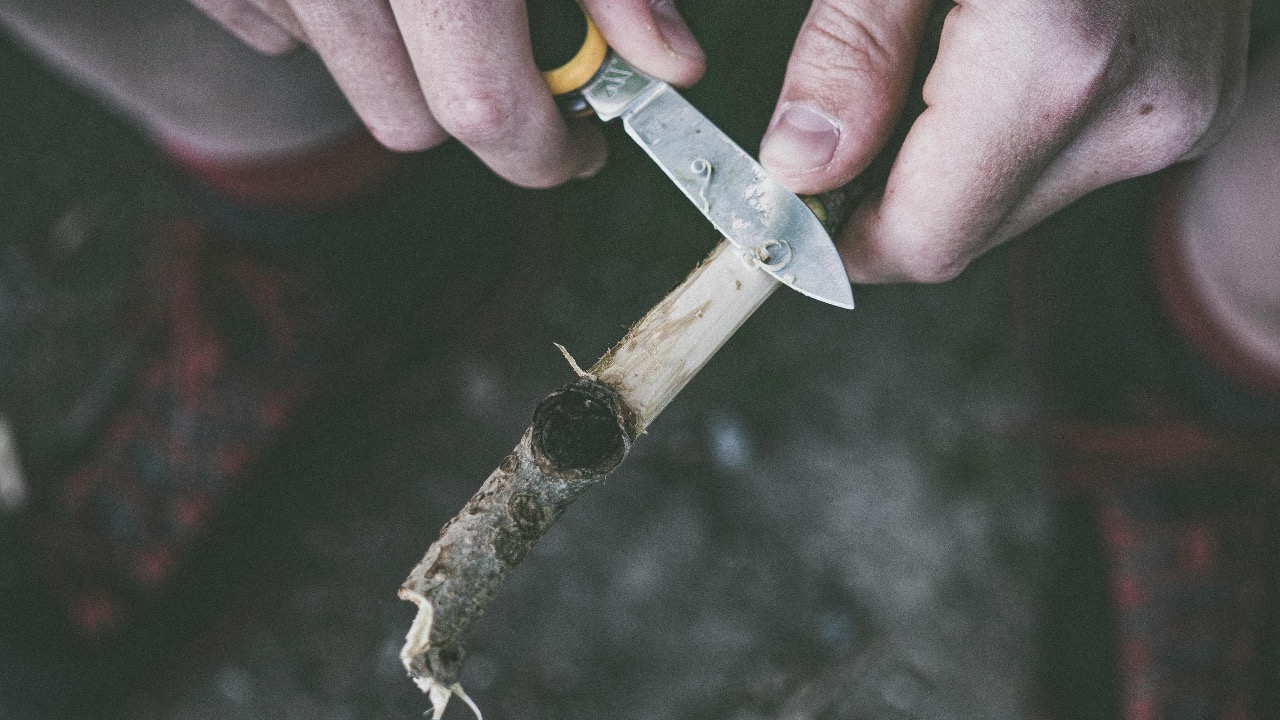
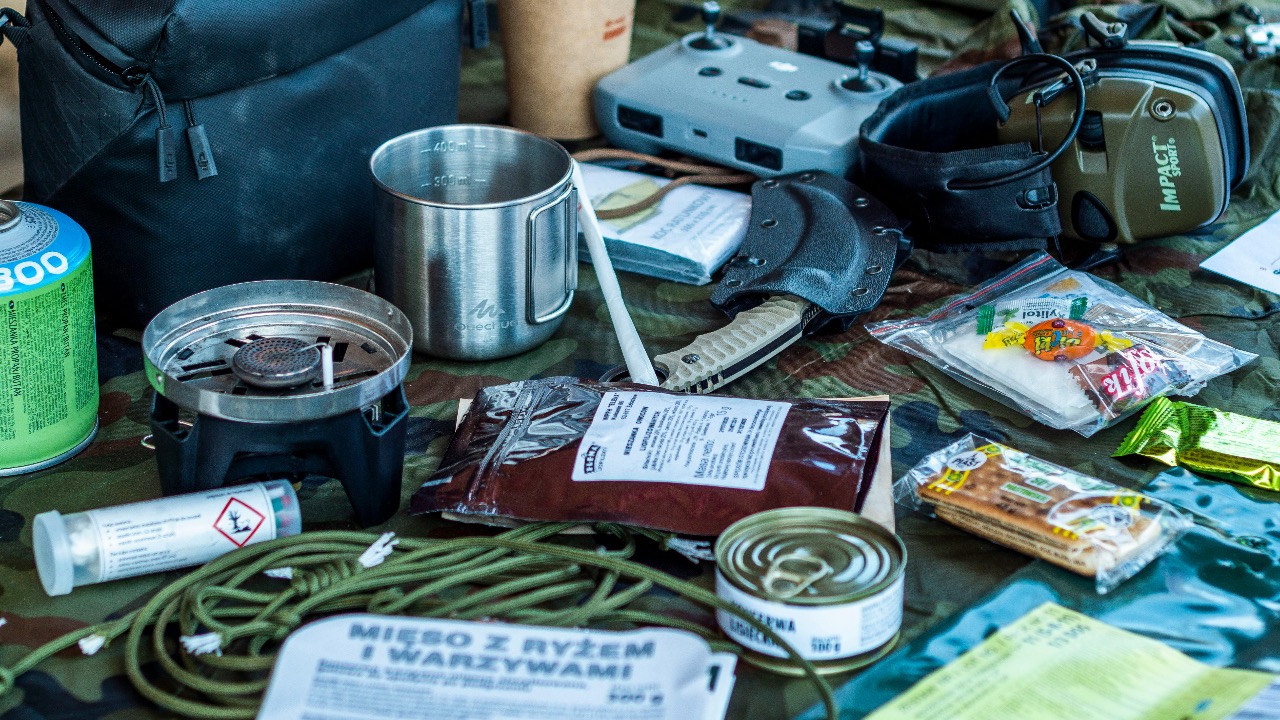
Gear lists can spiral into fantasy, but a useful way to cut through the noise is the 5 C’s of Survivability. Instructors who focus on What really matters define these as a Cutting Tool, a Combustion Device, Cover, a Container and Cordage. The idea is that these five categories are hard to improvise in the field and underpin most other tasks, from building shelter and processing firewood to boiling water and setting up a tarp. A compact fixed‑blade knife, a reliable fire starter, a lightweight tarp or bivy, a metal bottle and a length of strong line cover far more scenarios than a bag full of gadgets.
Backwoods training materials expand this into a Backwoods kit, explaining that The 5 C’s cover items that are difficult to replicate in nature and that the rest of your loadout can be shaped by what is carried in the kit. On a more informal level, experienced hikers on forums talk about choosing a COMFORTABLE, sturdy backpack around 50 to 70 liters for a week in fall‑like weather, not because bigger is always better but because a well‑fitted pack makes it realistic to carry those core items plus insulation, food and water. When I pack, I start with the 5 C’s, then add navigation tools, a headlamp, a small first‑aid kit and enough calories to stay sharp if a day hike quietly turns into an unplanned overnight.
Building and placing shelter that actually works
Knowing that shelter matters is one thing; building something that keeps you alive is another. Survival instructors stress that Wilderness Survival is not bushcraft or camping, and that True emergency shelter is about getting out of the elements as quickly as possible and then getting out and back home. That often means a small, low structure that uses natural features like logs, boulders or depressions, combined with a tarp, poncho or debris to block wind and trap heat, rather than an elaborate log cabin that burns precious daylight.
Field guidance from state magazines notes that There are no hard and fast rules about shelters, but They should be big enough to fit your body and small enough to trap and maintain your body heat, with particular attention to insulating yourself from the ground. In hot climates, experts recommend making a shade shelter over cool soil beneath the shade, a tactic echoed in advice that tells people to Make a shade shelter and lie on the cooler earth to avoid heat illness. In video debriefs of knife‑only challenges, seasoned practitioners advise building a tight small shelter about the size of your body, arguing that a snug structure could help you sleep In the bush by reducing drafts and conserving energy. The common thread is efficiency: use what is around you, keep it compact, and prioritize function over aesthetics.
Training, timelines and how rescues really happen
One of the most sobering realities of outdoor emergencies is that you are unlikely to be alone for weeks. Search and rescue data used in medical training shows that Most rescues happen within the first 72-hours, which means your job is often to survive three days, signal effectively and avoid making your situation worse. Courses built around this window teach people how to stabilize injuries, manage exposure and assist in their own rescue by choosing visible campsites, conserving batteries and creating clear signals.
That is where structured training pays off. Comprehensive programs on essential survival tips walk students through core skills like navigation, firecraft, shelter building and signaling, emphasizing repetition until they become automatic under stress. Shorter outdoor skills courses focus on how to assess a situation and assist in your own rescue, rather than trying to live off the land indefinitely. Supplementary resources, including long‑form videos that invite viewers to Learn about foraging, fire, shelter and water, can help people practice at home before they ever shoulder a pack. In my view, the most realistic mindset is not “I will become a wilderness hermit,” but “I can keep myself alive and findable until help arrives.”
Practice, not fantasy: turning advice into muscle memory
Survival knowledge only becomes useful when it is practiced enough to feel boring. That starts with small, controlled experiments: lighting a stove and then a twig fire in your backyard, pitching a tarp in the rain, or spending a night out with only your core kit. Articles on 5 basic survival skills urge people to DO NOT PANIC and instead build familiarity with STOP, Sit, Think and Observe before they ever need those habits in an emergency. National organizations that publish top 10 outdoor survival tips also remind readers that You are more likely to survive if you focus on maintaining a positive attitude and rehearsed skills rather than improvising under pressure.

Leo’s been tracking game and tuning gear since he could stand upright. He’s sharp, driven, and knows how to keep things running when conditions turn.