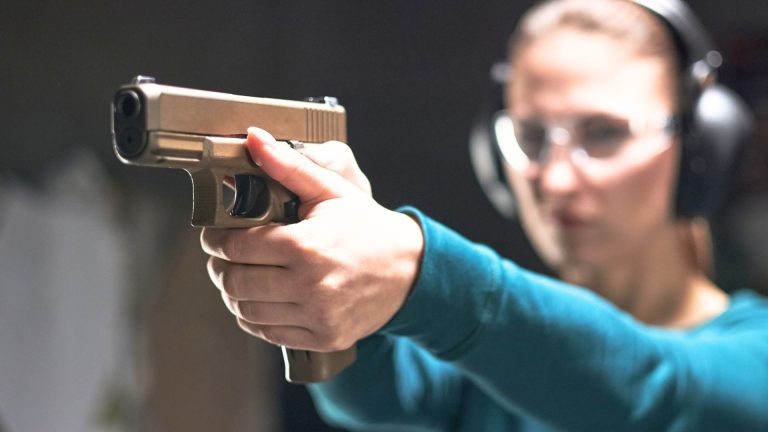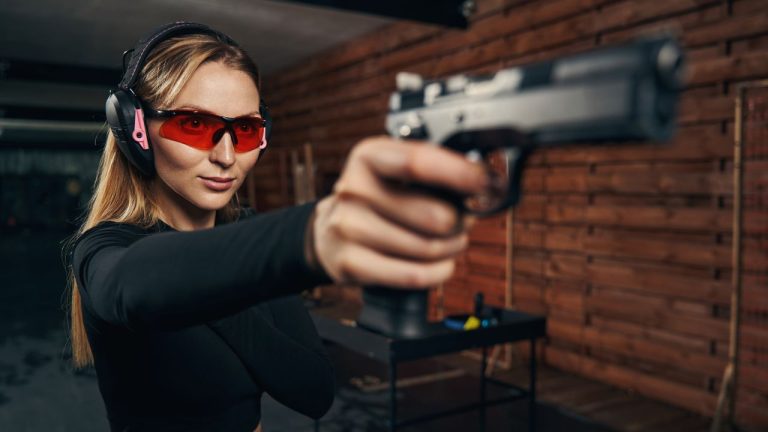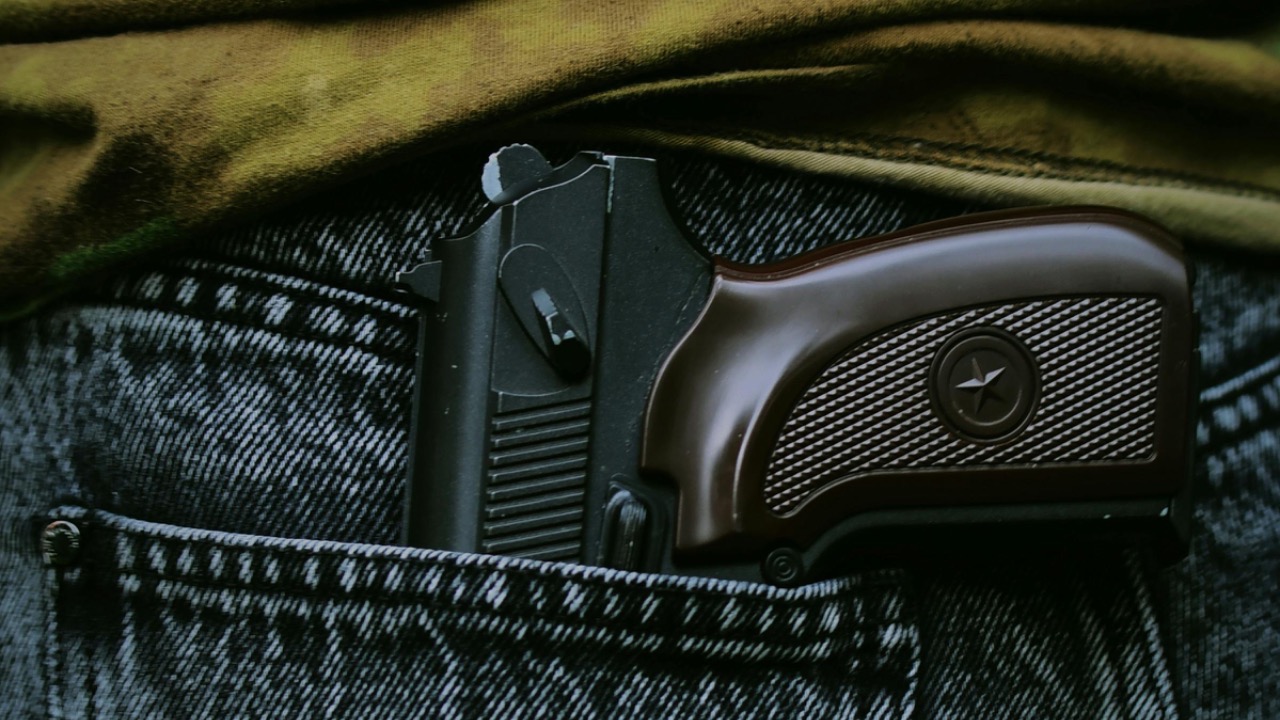
The overlooked dangers of carrying a firearm in your pocket
Sliding a handgun into a pocket can feel like the simplest way to stay armed, but that convenience hides a stack of risks that are easy to underestimate. From negligent discharges to legal exposure and accelerated wear on the firearm itself, pocket carry without careful structure turns a defensive tool into a liability. I want to unpack those overlooked dangers and the disciplined habits that experienced carriers insist on before a gun ever disappears into a pair of jeans.
Responsible self‑defense starts long before a trigger press, and nowhere is that clearer than with pocket carry. The same factors that make a pistol vanish in casual clothing also make it harder to control, harder to access safely, and easier to misuse. Understanding how pocket carry actually behaves in daily life is the first step toward deciding whether it fits your risk tolerance at all.
Why pocket carry feels easy, and why that is deceptive
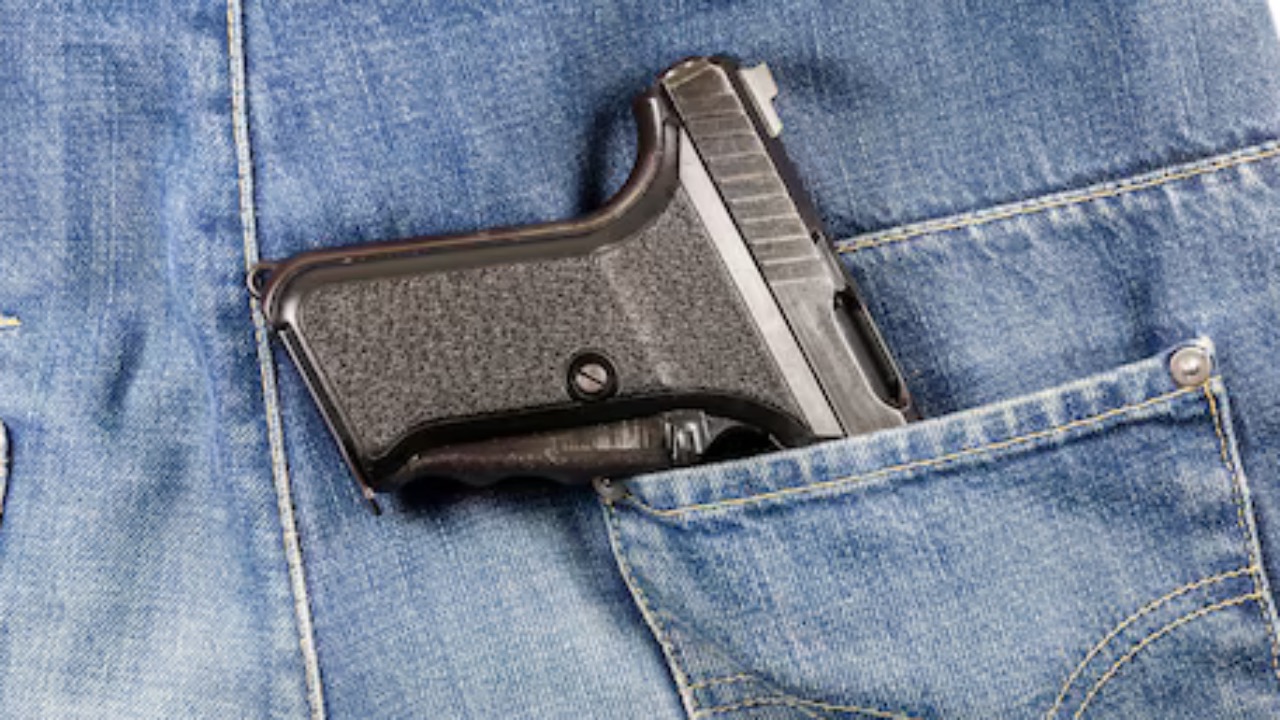
Pocket carry appeals because it looks effortless: no visible belt clips, no wardrobe overhaul, just a small handgun where your phone used to ride. For people who live in relatively safe neighborhoods or who only run quick errands, it can be tempting to think a tiny pistol in a front pocket is a low‑stakes compromise. In one discussion of everyday habits, a carrier even framed it in terms of not needing a larger Glock 23 just to walk to the mailbox, using pocket carry instead as a perceived middle ground between going unarmed and strapping on a full‑size rig in public, a mindset that glosses over how much control is lost once the gun is floating loose in fabric linked to that short walk to the mailbox in an Augvideo.
The problem is that pockets were never designed as holsters, and treating them as such ignores how easily a firearm can shift, rotate, or snag. Training material on pocket techniques stresses that your pocket is only as safe as the structure you add to it, and that a handgun should ride in a dedicated insert that keeps it upright, covers the trigger, and maintains a consistent draw stroke, rather than just dropping it in next to keys or coins as described in guidance on the art of discreet carry. When the apparent simplicity of pocket carry is not backed by that structure, the ease that drew people in becomes the very thing that magnifies risk.
The mechanical risks: snagged triggers and falling guns
From a mechanical standpoint, the biggest danger of pocket carry is not mysterious at all: it is the trigger. Modern pistols are engineered to be drop safe, but they are not designed to have fabric, drawstrings, or loose objects pressing into the trigger guard. Training material that walks through common mistakes lists two core problems when people carry without a holster, a lack of secure retention that lets the firearm fall out and a heightened risk of a negligent discharge when the trigger snags on clothing or other items, a pattern summarized under the Cons of minimalist setups.
Those same dynamics are magnified in a pocket, where the gun is constantly jostled by walking, sitting, or climbing in and out of a car. One breakdown of risky habits points out that carrying in pockets or purses without a proper holster leaves the firearm free to move and exposes the trigger to anything else in that space, which directly increases the chance of an unintended shot if the person is startled or reaches in quickly, a pattern flagged in a discussion of dangerous practices. When a gun can both fall out and fire from contact with everyday objects, the margin for error shrinks to almost nothing.
Why a bare pocket is not a holster
Experienced instructors tend to treat the phrase “pocket carry” as shorthand for “pocket holster carry,” and that distinction matters. One training company frames the issue bluntly under the heading Safety Comes First, explaining that one of the primary reasons to use a holster is to avoid accidental discharges by keeping the firearm stable and the trigger fully covered, and that carrying without one can compromise both reliability and condition of the gun, a warning captured in the line “One of the” key safeguards in their Jul guidance.
Specialists who focus on discreet methods go further, arguing that once you own a handgun, you also need a holster specifically built for the way you plan to carry it. In their view, your pocket is as much a holster location as your belt, which means it demands a purpose‑built insert that keeps the gun oriented correctly and shields the trigger from contact, rather than relying on denim or khaki to do that job. That logic underpins advice that a quality pocket holster is not optional gear but the basic tool that turns a loose pocket into a controlled environment, a point emphasized in training on the Proper Holster needed to prevent an unintentional and negligent discharge.
Comfort versus control: size limits and seated carry
Even when a holster is involved, pocket carry imposes hard limits on what kind of firearm can be used safely. In a video breakdown of pros and cons, one instructor answers a common question with “Yes, you can” pocket carry, but immediately notes that you are restricted to sub‑compact guns and must accept tradeoffs in grip length, capacity, and shootability, a constraint highlighted in the segment where they say “Yes, You” can do it but only with the right holster and pistol size in a Mar episode. That size restriction is not just about concealment, it is about whether the gun can sit deep enough to stay hidden without burying the grip so far that a clean draw becomes impossible.
Comfort also changes dramatically once you sit down. Training material on the true value of pocket carry devotes specific attention to Seated Pocket Carry Challenges and Solutions, noting that while pocket carry offers advantages when standing or walking, it can become awkward or even unsafe when seated because the thigh compresses the pocket, presses the gun into the body, and can interfere with a smooth draw. Their answer is a quality pocket holster that keeps the firearm in a consistent position and a habit of removing the holster and gun together before reholstering outside the pocket, a technique described in detail under Seated Pocket Carry.
The legal gray zones of pocket carry
Beyond mechanics, pocket carry can drop a gun owner into legal trouble faster than they expect. One legal explainer on carrying without a holster stresses that Understanding the rules in your state is critical, because Violating concealed carry laws can lead to criminal charges, loss of a permit, and long term consequences that go far beyond the original safety question, a warning grouped under the heading Legal Implications in a Feb overview. Pocket carry without a holster can be interpreted by some jurisdictions as failing to exercise reasonable care, especially if the gun is not adequately concealed or secured.
Another guide that asks whether carrying a gun in your pocket is considered concealed notes that in many states it is treated as concealed carry, which means all the usual permit requirements and restrictions apply. That same material underscores The Importance of Safety by reminding readers that Carrying a firearm comes with inherent responsibilities and that Ensuring the gun is securely holstered, with the trigger protected to prevent accidental discharges, is part of meeting those responsibilities, a point tied directly to how regulators and courts may view a defensive shooting that started with a loose pocket gun in a Importance of Safety section.
Real‑world mishaps: shot legs, shifting guns, and bad habits
When instructors talk about pocket carry, they often come back to one vivid image: shooting your own leg. A safety piece that focuses on how not to do that boils the advice down to a simple rule, Use a decent holster, and then unpacks why that is so Mind boggling to some carriers who still drop a gun into a pocket with no trigger protection, where it can be bumped by a table corner, pressed by a hand, or snagged by other objects during a hurried grab, a scenario laid out in a Jun safety discussion. Those are not abstract hypotheticals, they are the exact kinds of movements that happen in crowded restaurants, tight office cubicles, or when climbing out of a compact car.
Even carriers who try to mitigate risk by leaving the chamber empty run into practical problems. In a thread on pocket carry without a round chambered or a holster, one commenter points out that Secondarily, carrying an LCP style gun in the pocket with no holster means the gun is certainly not going to be in the same configuration or orientation each time, which they describe as a major problem for anyone who expects to draw under stress, a concern spelled out in a discussion of Secondarily important drawbacks. When the gun can rotate muzzle up, down, or sideways between steps, muscle memory built on range practice no longer matches reality inside the pocket.
How pockets punish your firearm over time
Even if a negligent discharge never occurs, pockets are harsh environments for mechanical tools. A general concealed carry guide notes that Some people feel comfortable slipping a small revolver into a jacket pocket or purse without a holster, but cautions that this habit can expose the firearm to lint, moisture, and debris that may cause damage or even render it inoperable if it infiltrates moving parts or the barrel, a risk flagged in a Some focused overview. That kind of slow degradation is easy to miss until a malfunction appears at the worst possible moment.
Carriers who rely heavily on pockets also report accelerated cosmetic wear and finish damage, especially when the gun rides without a barrier between it and rough fabric or metal rivets. In the same Aug video where a carrier explains why they do not feel the need for a Glock 23 on a short walk, they also acknowledge that pocket carry can scuff and wear the gun more quickly, particularly when grit and dust accumulate in the pocket and grind against the slide and frame during movement, a pattern described in the Glock discussion of long term wear. A proper pocket holster acts as a sacrificial layer that takes that abuse instead of the firearm itself.
Training realities: draw strokes, habits, and limited gun choices
From a training perspective, pocket carry changes almost everything about how a defensive draw works. A detailed look at carrying choices notes that Pocket Carrying in your front pants pocket can seem convenient, but that carrying in your pocket is more likely to result in fumbling and increases your chances of a discharge if you are not extremely disciplined about keeping the pocket clear and the trigger protected, a warning nested under The Importance Of a Quality Holster and the higher risk of Accidental outcomes when that standard is not met in a Sep analysis. That means anyone who chooses pocket carry has to invest time in practicing a very specific draw that clears the pocket mouth without sweeping their own body.
Good habits start with how the gun is placed in the pocket in the first place. A training guide on building concealed carry habits defines Pocket carry as exactly what it sounds like, carrying a firearm in your pocket, whether in pants or a jacket, but stresses that this should be done with a dedicated pocket holster rather than just dropping your gun into a pocket where it can shift, snag, or be obscured by other items, a distinction highlighted in the Pocket section. Combined with the earlier point that only Limited Size and Type of firearms are suitable for this role, and that Not every handgun can be adequately concealed by your clothing, as outlined in a Disadvantages of Pocket breakdown, the training reality is that pocket carry narrows both your equipment choices and your acceptable techniques.

Leo’s been tracking game and tuning gear since he could stand upright. He’s sharp, driven, and knows how to keep things running when conditions turn.