Survival experts explain what comes before food and water
When people imagine being stranded, they usually picture hunger and thirst first. Survival instructors are blunt that those fears are real, but they are not where the clock starts. Before food and water, the priorities that keep you alive are air, protection from exposure, and a clear head.
Across wilderness schools, emergency responders, and even psychology research, the same pattern emerges: humans survive by following a hierarchy of needs that begins with breathing, body temperature, and basic safety. Only once those are under control do calories and clean water become the next urgent problems to solve.
Why survival thinking starts before food and water
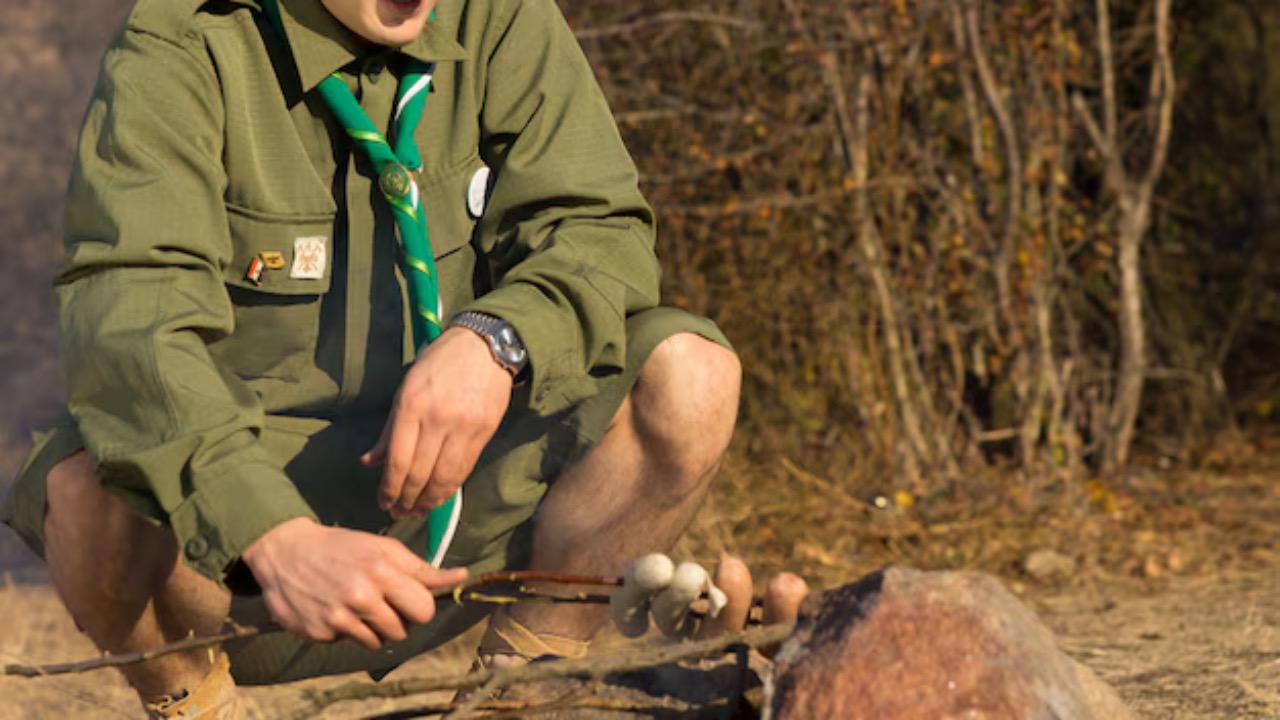
In every serious emergency, the first battle is against the next few minutes, not the next few days. I have heard instructors describe how people lost in the woods fixate on berries or streams while ignoring dropping temperatures or smoke in the air, even though those immediate threats can kill far faster than an empty stomach. The logic is simple: if you cannot stay conscious, keep your core warm, or avoid immediate hazards, you will never live long enough for dehydration or starvation to matter.
That is why many trainers teach a structured set of survival priorities, often called the Rule of Threes, that forces you to think in terms of minutes and hours before days and weeks. The idea is not to ignore food and water, but to put them in their proper place in the sequence so you do not waste precious time on the wrong problem while your body is failing for a faster reason.
The Rule of Threes and what it really means
The Rule of Threes is a mental shortcut that breaks survival into rough time limits: you can survive only a few minutes without air, a few hours without effective shelter in harsh conditions, a few days without water, and a few weeks without food. Instructors stress that these are approximations, not guarantees, but they are accurate enough to guide decisions when you are scared, cold, and not thinking clearly. The point is to remind you that oxygen and body temperature are always more urgent than a drink or a snack.
One detailed Guide to Survival Priorities spells it out as three seconds without hope or a survival mindset, three minutes without breathing, three hours without shelter in extreme weather, three days without water, and three weeks without food. Another breakdown of the Survival Rule of 3 lists air, shelter, water, and food in that order, reinforcing that the sequence, not just the numbers, is what saves lives when you are stressed in a survival situation.
Air and breathing: the first non‑negotiable
Every expert I have spoken with starts in the same place: if you cannot breathe, nothing else matters. In practical terms, that means your first scan in any crisis is for threats to your airway and lungs, from choking and drowning to smoke, toxic gases, or even being trapped in a crushed vehicle. Clearing your airway, moving away from fumes, or getting out of confined spaces is not optional, it is the foundation that everything else rests on.
One explanation of the Rule notes that you can survive roughly three minutes without breathable air before unconsciousness and brain damage become likely, which is why water rescues and smoke evacuations are treated as races against the clock. Another training resource on Clean air, shelter, water, and food puts air first for the same reason: without oxygen, your body cannot use any of the other resources you might manage to find.
Shelter and body temperature: the three‑hour problem
Once breathing is secure, the next race is against exposure. In cold rain, high wind, or intense heat, your body can fail in a matter of hours, sometimes faster, even if you are standing next to a full water bottle. Hypothermia and heatstroke are quiet killers, and they often strike people who underestimated how quickly weather, wet clothing, or direct sun could push their core temperature out of the safe zone.
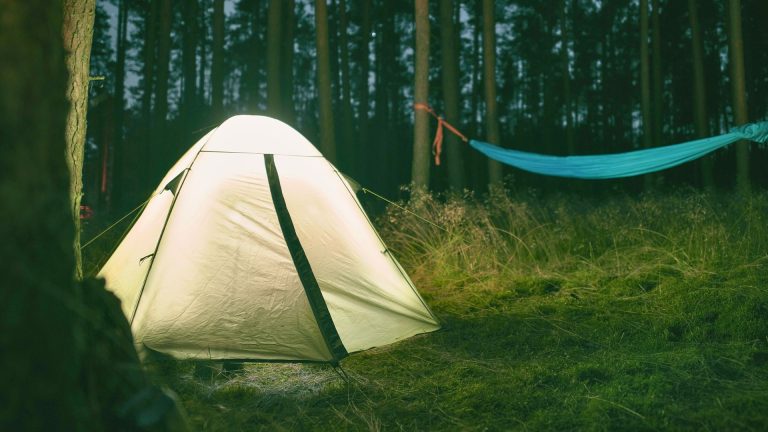
Survival instructors often repeat that you have about three hours without effective shelter in extreme conditions before your chances drop sharply, a benchmark echoed in multiple Survival Priorities checklists. Practical guidance from emergency trainers urges people to Construct small, insulated shelters by creating a framework and piling moss, ferns, grasses, leaves, and branches to trap warm air, both to conserve heat and to ward off predators and insects.
Water and the three‑day window
Only after air and shelter are handled does water move to the top of the list. Dehydration does not kill as quickly as suffocation or exposure, but it steadily erodes your ability to think, move, and regulate temperature. In a survival setting, that means your judgment falters just as you need it most, which is why experienced guides treat water as a medium term emergency, not a long term luxury.
One widely cited rule of thumb is that a person can survive about three days without water, a figure repeated in a Use the discussion that lays out three minutes without oxygen, three hours without shelter, three days without water, and three weeks without food. A public Public Service Announcement on the Rule of Threes repeats the same sequence and urges people to prepare containers and purification tools in advance, arguing that having gear ready will make improvisation much easier when clean water sources are scarce or contaminated.
Food, fat reserves, and the three‑week myth
Food feels urgent because hunger is uncomfortable and constant, but physiologically it is the last item on the emergency list. Healthy adults can often function for many days on stored fat and muscle, especially if they stay warm, hydrated, and calm. That does not mean going without food is harmless, only that in the first hours and days, your energy is better spent on shelter, signaling, and navigation than on building elaborate traps or foraging for marginal calories.
Many instructors repeat that you can survive roughly three weeks without food, a benchmark that appears in several Survival Priorities lists, though they also caution that body size, health, and environment can shorten or lengthen that window. A popular explainer on how long you can go without food and water notes that Odly enough, survival experts call this pattern the rule of threes and emphasize that the numbers are rough estimates, especially when you are talking about food.
Mindset, hope, and the psychology of staying alive
Before any of the physical needs, many instructors quietly add one more: the decision to keep going. Panic, despair, and disorganized thinking can kill faster than hunger because they lead people to freeze, run blindly, or give up on simple tasks that would keep them alive. A clear, methodical mindset lets you apply the Rule of Threes instead of being overwhelmed by fear or discomfort.
Some survival schools explicitly teach that you have about three seconds without hope or a survival mindset before your chances begin to collapse, a framing that appears in detailed Rule of Threes explanations. That psychological layer echoes broader research on human motivation, including work on Maslow’s Hierarchy of, which argues that people must first secure basic physiological needs like food, bathing, clothing, and shelter before they can focus on higher goals, and that a sense of safety and control is essential to keep acting in their own interest.
Planning, priorities, and the seven‑step approach
Knowing the sequence is one thing, applying it under stress is another. That is why many wilderness programs teach a short planning ritual as soon as you realize you are in trouble: stop, breathe, observe, and make a plan before you move. The goal is to prevent impulsive decisions, like sprinting downhill until you are exhausted or drinking untreated water, and instead work through the priorities in order.
One training guide on backcountry emergencies suggests making a plan according to seven priorities of survival Whenyou find yourself in an emergency situation in the wilderness, including assessing injuries, securing shelter, finding water, signaling, and only then worrying about food. Another detailed backcountry resource argues that Mastering thesurvival rule of threes, and training before your trip, can turn a life or death situation into a manageable problem because you already know what to do first.
How experts teach the order of necessity
Survival instructors do not just list priorities, they drill them into students with scenarios and repetition. In classes I have observed, people are asked to rank tasks like building a fire, finding water, or hiking toward a road, then compare their instincts to the Rule of Threes. The exercise often reveals how strongly people overestimate the urgency of food and underestimate the danger of cold, wet clothing or unfiltered air.
In one discussion thread, a trainer named Tony Hunt corrects a question about whether water, food, or shelter should come first by pointing back to the rule of 3 and its sequence of oxygen, shelter, water, and food. Another community post labeled Survival Tip Dependant on the situation explains that an order of resource necessity is required for the best chance of survival, and that clean air, protection from cold, and safe water must be secured before worrying about meals.

Leo’s been tracking game and tuning gear since he could stand upright. He’s sharp, driven, and knows how to keep things running when conditions turn.