The overlooked setup mistake that throws off rifle performance
Rifle shooters spend huge amounts of time and money chasing better groups, yet many accuracy problems start before the first shot, in the way the rifle is physically set up. One overlooked setup mistake can quietly sabotage performance, and it has nothing to do with exotic ammo or custom barrels. I see the same pattern again and again: torque, fit and contact surfaces are ignored, so the rifle cannot shoot to its potential no matter how skilled the shooter is.
Looking at the most reliable advice from experienced instructors and builders, a clear theme emerges. The foundation of rifle performance is mechanical consistency, from action screws and scope bases to stock fit and barrel clearance. If I do not get those basics right, every other upgrade is just an expensive distraction.
Why a “good” rifle still shoots badly

I often hear frustrated owners describe a quality bolt gun that simply will not group, even with premium ammunition and careful bench technique. In many of those cases, the rifle itself is capable of solid accuracy, but sloppy setup creates shifting stress in the system that shows up on paper as random fliers. When the action is not properly secured, the stock does not fit, or the optic is moving, the rifle behaves like a different machine from shot to shot.
Experienced hunters have documented how seemingly minor setup issues, such as LOOSE ACTION SCREWS, can make a rifle feel unpredictable or “off” even when the barrel and ammunition are sound. I have seen the same thing on the firing line: once the basic hardware is tightened to spec and the stock is not fighting the shooter, groups often shrink immediately without changing anything else. That is why I treat setup as the first suspect whenever a “good” rifle behaves badly.
The hidden foundation: action screws and torque
The most overlooked setup mistake I encounter is inconsistent or incorrect torque on the screws that hold the rifle together. Those action screws are the hidden foundation that ties the receiver to the stock or chassis, and when they are loose or uneven, the barreled action can shift slightly under recoil. That movement changes how the barrel vibrates and how the scope tracks, which shows up as wandering point of impact and vertical stringing.
Specialists who diagnose accuracy problems often start by checking that the action screws, scope bases and rings are tightened correctly, because Your rifle’s manual usually specifies exact torque values for those fasteners. I rely on a torque wrench rather than guesswork, since over-tightening can crush bedding or strip threads, while under-tightening allows the action to shift. When I treat those screws as precision components instead of afterthoughts, the rifle suddenly behaves like a consistent instrument instead of a loose collection of parts.
Scope mounting mistakes that masquerade as bad barrels
When groups open up or the zero drifts, many shooters blame the barrel or ammunition long before they suspect the optic. In my experience, poorly mounted scopes cause a large share of those headaches. If the base, rail or rings are not torqued correctly, the scope can creep under recoil or twist slightly in the rings, which makes the point of impact move even though the rifle and shooter are doing nothing different.
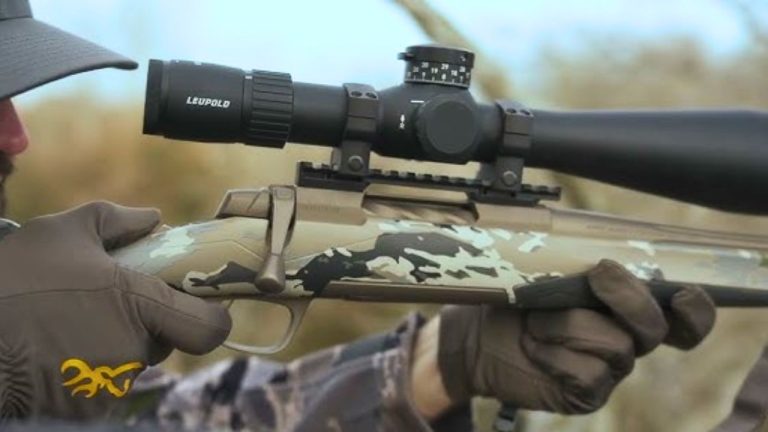
Guides on optic setup repeatedly stress that the base must be firmly attached, with Picatinny rail screws typically tightened somewhere between 30 and 65 in-lbs depending on the rifle and hardware. Step-by-step mounting instructions also urge shooters to follow manufacturer guidance and Use a torque on base screws so they are snug enough for recoil but not so tight that they damage the receiver. I treat ring screws with equal care, since Ring torque in the 15 to 20 in-lbs range is usually enough to hold the tube without crushing it. When those details are right, I stop chasing phantom barrel problems that are really optic issues.
Stock fit: the accuracy problem hiding in plain sight
Even when the mechanics are sound, a rifle that does not fit the shooter can still perform poorly. I have watched capable marksmen struggle with heavy recoiling centerfires because the stock was too long, too short or the comb height forced an awkward head position. In those cases, the shooter fights the rifle instead of settling naturally behind it, which leads to flinching, inconsistent shoulder pressure and erratic trigger control.
Coaches who study shooter performance describe POOR RIFLE FITMENT as a major reason some people shoot rimfires accurately but struggle with more powerful centerfires. Other instructors warn that Buying an Ill magnifies recoil and makes accurate shooting harder than it needs to be. I look for a length of pull that lets my trigger finger sit naturally on the blade, a comb height that gives a repeatable cheek weld, and a grip that does not force my wrist into a strained angle. Once the rifle matches my body, my ability to call shots and manage recoil improves dramatically.
Barrel contact and the “Dollar Bill Test”
Another subtle setup mistake hides where the barrel meets the stock. Many modern hunting rifles are designed with a free floated barrel so it can vibrate consistently, but if the stock warps or a pressure point develops, the barrel can start touching the fore-end. That contact changes the way the barrel whips during the shot and can send rounds high, low or sideways depending on how the rifle is rested.
One simple check that I use is the Dollar Bill Test, which involves sliding a bill between the barrel and the stock to confirm that the barrel is not pinched. In a practical tip video, the same Dec accuracy advice shows how a warped stock can bind the barrel and wreck groups, especially when the fore-end is loaded on a rest or bipod. If I cannot pass that bill freely back to the receiver on a rifle that is meant to be free floated, I know I have a setup problem, not an ammunition issue.
Tuning torque for repeatable groups
Once the obvious mistakes are corrected, I often see gains from carefully tuning torque on the action and chassis screws instead of simply tightening them “enough.” Different stocks and chassis systems respond differently to clamping force, and the sweet spot can influence how the barrel vibrates. I treat torque as a variable to be tested in small increments while watching how group size changes.
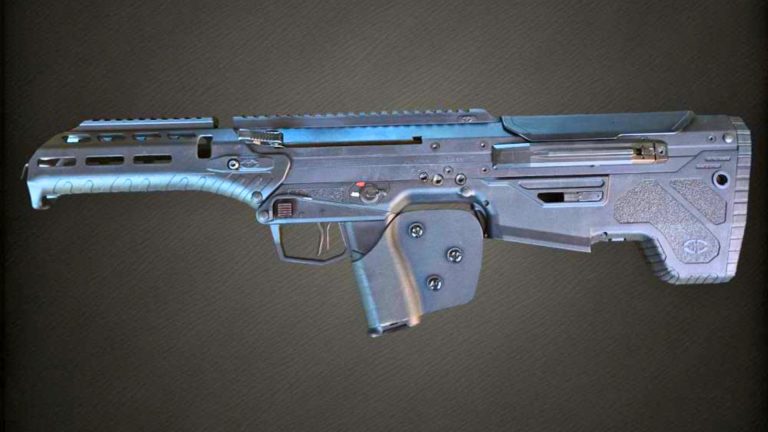
One detailed example involves a rimfire where This Ruger American showed a marked increase in accuracy after it was placed in an MDT chassis and the action screws were torque tuned. That kind of improvement reinforces my own experience that a methodical torque ladder, combined with consistent ammunition and careful shooting, can turn a mediocre grouping rifle into a reliable performer. I record the torque values that produce the tightest groups so I can always return the rifle to that setting after maintenance.
Rails, rings and the small parts that matter
Small hardware choices can quietly influence how stable a scope remains under recoil. I pay close attention to rail and ring quality, since soft screws or poorly machined parts can loosen even when they are torqued correctly. A solid one-piece rail or two-piece bases that match the receiver footprint help keep the optic aligned with the bore.
Manufacturers that specialize in precision mounts often publish specific torque recommendations, such as advice on What MANAEL Scope settings to use for their screws. I use those figures as a starting point, then confirm that nothing shifts by checking zero over several shooting sessions. If I see unexplained changes, I inspect every fastener in the optic system before I blame the barrel or ammunition.
When social media advice actually helps
Social media is full of questionable shooting tips, but some of the better guidance on rifle setup gets amplified there as well. I see experienced hunters and competitive shooters share checklists that start with verifying action screw torque, confirming free float with a bill, and inspecting scope mounts before they ever talk about handloads. That order of operations mirrors what I do when I troubleshoot a rifle for myself or a friend.
Brands that publish detailed breakdowns of Discovered Rifle Setup that Ruin Accuracy, and then echo those themes on pages such as Discovered Rifle Setup that Ruin Accuracy on Realtree social channels or Discovered Rifle Setup that Ruin Accuracy on Realtree boards, help reinforce these fundamentals for a wide audience. I treat those posts as reminders to go back to basics whenever I am tempted to chase more exotic solutions. When I see the same core advice repeated across the Discovered Rifle Setup that Ruin Accuracy Realtree blog and community discussions, it tells me that these setup steps are not theoretical, they are field tested.
How I work through an accuracy checklist
When a rifle is not shooting the way I expect, I follow a consistent checklist that starts with setup rather than ammunition. I begin by confirming that the action screws are present, undamaged and torqued to the manufacturer specification, then I inspect the stock for cracks or warping and run the bill test along the barrel channel. If I find contact where there should be clearance, I correct it before I fire another group. Only after the mechanical foundation is verified do I start worrying about load selection or barrel condition.
I also review the optic system from front to back, checking the rail or bases, rings and scope tube for movement or uneven gaps. If I suspect the optic, I may remount it using a torque wrench and the recommended values from both the rifle and scope makers. I keep in mind the broader shooting context, including guidance from communities linked to training and membership platforms such as Discovered Top Mistakes and related renewal and support pages at Discovered Top Mistakes and Discovered Top Mistakes. When I combine that structured process with insights shared on channels like Discovered Top Mistakes, I consistently find that the “mystery” accuracy problem traces back to a simple setup error that I can fix at the bench long before I need a new barrel.

Leo’s been tracking game and tuning gear since he could stand upright. He’s sharp, driven, and knows how to keep things running when conditions turn.