Why some concealed-carry guns lose favor over time
Concealed-carry handguns tend to follow a predictable arc: a model launches, word of mouth spreads, sales spike, and then, quietly, serious users start moving on. The guns themselves rarely become unusable, but changing expectations, better alternatives, and hard-earned experience all push some once-common choices to the back of the safe. I want to explain why that happens and why a pistol that looked perfect in the display case can feel like a liability after a few years of real carry.
Looking at how specific designs fall out of favor, I see patterns that repeat across brands and calibers. Some guns age out because technology moved ahead, some because their supposed advantages turned into drawbacks in daily life, and some because shooters discovered that the compromises they accepted early on were not worth it. Understanding those patterns helps me separate passing trends from durable choices before I stake my safety on a particular pistol.
From hot seller to range orphan
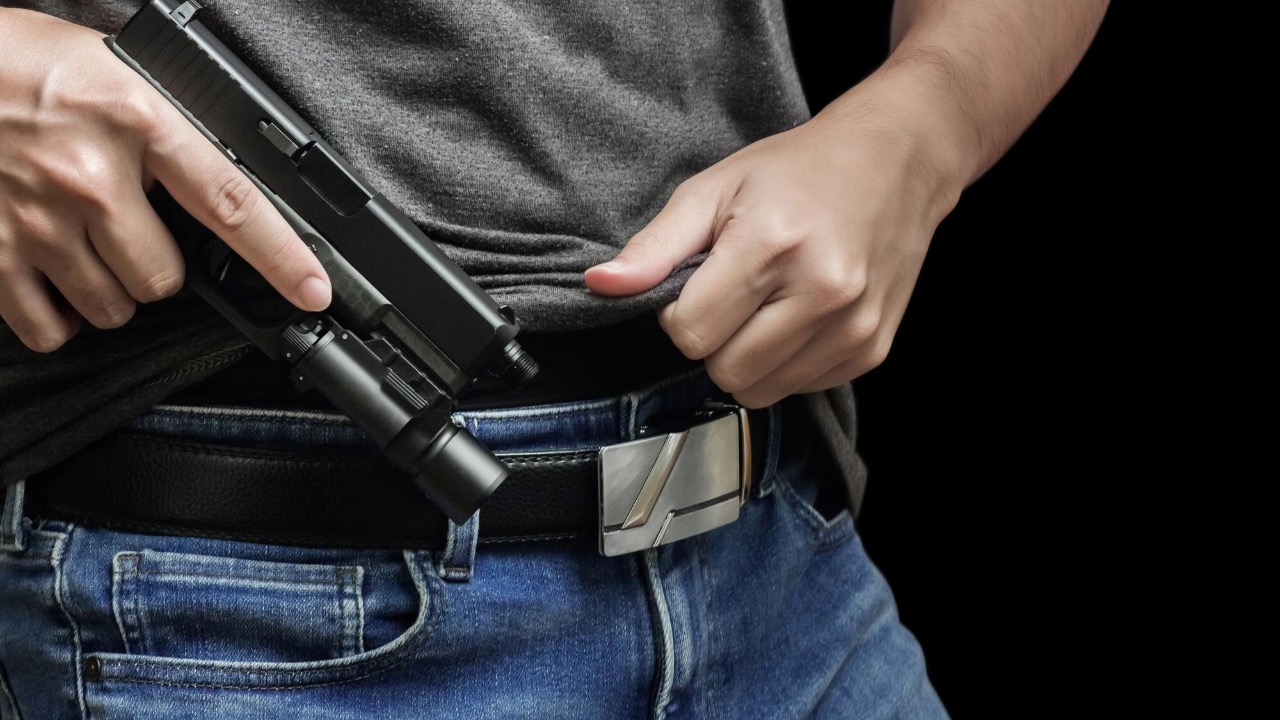
Popular carry pistols rarely disappear overnight. I see them first as star performers in gun shop cases and training classes, then slowly relegated to backup roles as newer designs prove more capable. Reporting on why certain once-common pistols are being dropped by experienced users shows that serious shooters do not walk away from a gun because of internet chatter or brand snobbery; they do it when real-world performance and reliability no longer measure up to what is available now. When I read that Serious shooters are abandoning specific pistols, the throughline is usually the same: the gun still works, but it no longer represents the best option for hard use.
Once that shift begins, the market response is fast. Training companies stop recommending those models, holster makers focus on newer frames, and ammunition testing tends to skip the older designs. A follow-up look at the same trend notes that many of these pistols were once heavily promoted as cutting-edge carry tools, yet they are now being left behind by people who shoot frequently and demand more from their gear, which is why I pay attention when a second analysis of Why certain models lost favor focuses on practical shortcomings instead of marketing promises.
How technology reshapes “good enough”
Concealed-carry design has not stood still, and what counted as advanced twenty years ago can feel dated today. That is especially clear in the shift from tiny, low-capacity pocket pistols to slightly larger micro-compacts that carry almost twice the ammunition in a similar footprint. Earlier in the polymer era, guns like the KelTec P32 were considered cutting edge for deep concealment, and reporting credits that P32 with inspiring other manufacturers to release their own small pistols, including the Ruger LCP and lines. That wave defined what many people considered an ideal pocket gun for years.
As manufacturers refined double-stack magazines and recoil systems, however, the benchmark changed. Where a 6+1 .380 pistol once looked impressive, I now see 10+1 or even 12+1 micro-compacts in 9 mm that are only slightly larger and often easier to shoot. When capacity, ergonomics, and optics compatibility all improve in newer designs, yesterday’s “good enough” pistol starts to feel like a compromise that only persists out of habit. That is a major reason why some models slip from everyday carry into occasional backup roles, even if they still function as designed.
When “smaller” becomes a problem
For years, I watched small revolvers dominate the concealed-carry conversation, especially for people who wanted something simple and lightweight. Over time, though, instructors and experienced carriers began pointing out that the very traits that made these guns appealing on paper could make them harder to run under stress. A detailed critique of snub-nose designs explains why a Small Revolver May be the Worst Choice for shooters who do not train heavily: heavy double-action triggers, low capacity, and sharp recoil in ultralight frames can combine to produce poor accuracy and slow follow-up shots.
Modern polymer pistols undercut the old assumption that tiny revolvers are the only way to carry discreetly. When I compare a five-shot alloy snub to a slim 9 mm with better sights, a lighter trigger, and more rounds on board, the trade-offs look very different. Manufacturers still sell compact revolvers like the Smith & Wesson Model 340 PD and the Model 442, but I see more people treating them as niche tools for specific roles rather than primary carry guns. As expectations for shootability and capacity rise, some of the smallest wheelguns inevitably lose ground.
The hidden costs of ultra-compact pistols
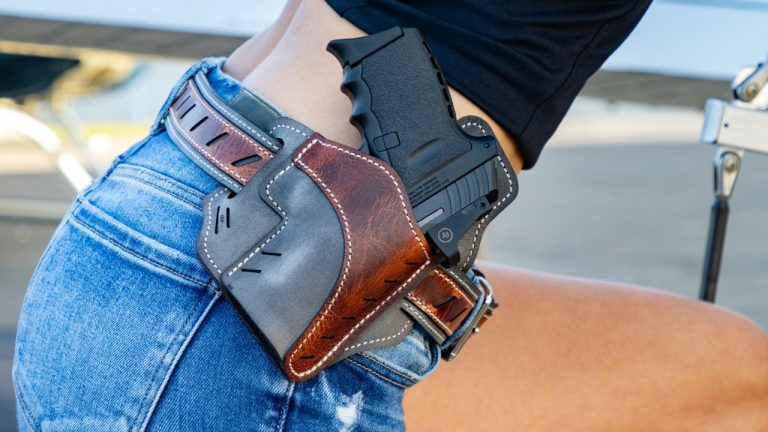
Even among semi-automatics, the push toward ever-smaller guns created its own set of problems. I meet many new carriers who assume the tiniest pistol will be the easiest to live with, only to discover that short grips, narrow frames, and snappy recoil make practice unpleasant. A closer look at the trade-offs of subcompact pistols points out that while Manyshooters comfortably carry guns such as the S&W Shield Plus and SIG P365, there is a threshold below which shrinking the gun further begins to hurt performance more than it helps concealment.
When I talk to people who stopped carrying their smallest pistols, I usually hear the same story. The gun was easy to hide but hard to control, so they avoided live-fire practice and never built real confidence. Over time, that lack of confidence pushed them to leave the gun at home or replace it with a slightly larger model that they could actually train with. The market shift toward micro-compacts with usable grips and decent sights reflects that learning curve and explains why some ultra-thin, low-capacity pistols that once dominated sales are now overshadowed by more balanced designs.
Service life, wear, and trust
Mechanical fatigue is another reason I see carry guns rotated out of service. Handguns are machines with finite service lives, and high round counts eventually reveal weak points. One analysis of handgun longevity notes that with roughly a 30,000 round count, certain pistols can be effectively shot out in a couple of seasons of hard training, and it also highlights how Many carry guns accumulate finish wear from holster use while Sweat and oil from the body can cause rust. When I see heavy slide peening, frame cracks, or chronic parts breakage, I understand why owners move that pistol to training duty or retire it entirely.
Trust is cumulative, and every malfunction erodes it a little more. Serious shooters who put thousands of rounds through a gun are quick to notice patterns of stoppages or parts failures that casual users might miss. When those patterns emerge, the cost of replacing the pistol looks small compared with the potential cost of a failure in a defensive encounter. That is why I see experienced carriers track round counts, replace recoil springs on schedule, and eventually phase out older designs once they reach the end of their practical service life, regardless of sentimental attachment.
Comfort, lifestyle, and the decision to stop carrying
Even the most technically sound pistol can fall out of favor if it does not fit a person’s daily routine. I have seen many people start with ambitious carry plans, only to discover that their chosen gun is too heavy, too bulky, or too finicky about clothing to wear consistently. When someone explains on a public forum that they used to carry every day but have stopped because drawing safely from concealment feels slow and awkward, or because their typical environments feel lower risk, I recognize how lifestyle pressures can outweigh initial enthusiasm. One discussion about people who have stopped carrying notes that some users now go unarmed in situations where they previously would not, and that their perceived threat level and comfort with longer response times are much further out than before.
There is also a psychological side to this shift. A gun that digs into my ribs or requires constant wardrobe adjustments becomes a daily chore, and chores are easy to skip. A Quora response on why some permit holders do not carry every day points out that Generally their gun does not fit their lifestyle, fitness level, or skill level, so it becomes a burden that they eventually drop. That explanation matches what I hear in classes: people abandon specific guns not because they stopped believing in self-defense, but because they never found a way to integrate that particular pistol into their normal life without constant friction.
Trigger pulls, safety margins, and confidence
Trigger design is another factor that can quietly push a carry gun out of rotation. Some manufacturers tune concealed-carry triggers to be heavier or longer in an attempt to reduce the risk of accidental discharges in pockets or inside-the-waistband holsters. A Quora discussion on whether concealed-carry guns have harder triggers to prevent accidental discharge explains that if you carry a gun for protection, you obviously need to carry it whenever you are going to be in a place where there is a risk, yet a very heavy trigger can make accurate shooting difficult for users who do not train regularly. I have watched shooters struggle to manage long, stacking pulls under stress, which undermines their confidence in the gun.
On the other hand, extremely light triggers can create their own anxiety, especially for people who are new to carrying or who worry about reholstering under pressure. I see that tension play out when owners describe switching away from striker-fired pistols with short, crisp triggers to designs with more deliberate pulls, or vice versa, depending on their comfort level. Over time, if a particular trigger system leaves someone feeling unsafe or ineffective, they are likely to replace that pistol with one whose controls better match their training and risk tolerance, even if the original gun remains mechanically sound.
Bad advice, evidence lockers, and real-world stakes
Not every reason a gun loses favor is grounded in performance; some are rooted in fear of legal or financial consequences. I frequently encounter the argument that people should carry a cheaper gun so they will not worry about losing it to an evidence locker after a defensive shooting. A widely shared Reddit thread criticizes that idea bluntly, with one commenter stating You need to carry the BEST option and responding to the objection with the phrase “Well OP, the BEST option is highly opinionated you idiot” to emphasize that the focus should be on surviving the encounter, not on protecting a piece of property. The same discussion points out that if you are already six feet under, the fate of your gun is irrelevant, which captures the stakes succinctly. That argument resonates with me because it reframes the choice around effectiveness rather than replacement cost.
Despite that pushback, I still see people downgrade from well-vetted pistols to cheaper, less reliable guns because they are worried about losing the nicer firearm after a shooting. When I weigh that trade-off, the logic does not hold. A high-quality pistol that fits my hand, runs reliably with my chosen ammunition, and integrates with my holster and training is an asset I should not casually discard. Treating a carry gun as disposable can encourage compromises in durability, support, and parts availability that only become obvious when something breaks. In that sense, bad advice about evidence lockers can indirectly contribute to certain cheap models becoming common in holsters for a time, then quietly abandoned as their limitations show up on the range.
Matching the gun to the shooter, not the trend
When I step back from individual models and look at the pattern, a simple theme emerges: concealed-carry guns lose favor when they no longer match what serious shooters need from them. That misalignment can come from technology moving forward, from design compromises that make practice unpleasant, from triggers that inspire more fear than confidence, or from lifestyle changes that push a gun out of daily use. A Quora answer about why some permit holders do not carry every day captures this by stating that Generally their gun does not fit their lifestyle, fitness level, or skill level, which is exactly the gap I see when people quietly retire certain pistols.

Leo’s been tracking game and tuning gear since he could stand upright. He’s sharp, driven, and knows how to keep things running when conditions turn.