Why names like ‘Crazy Horse’ were earned, not given
Names like Crazy Horse have long been flattened into movie stereotypes, treated as quirky labels instead of hard‑won honors. In many Native communities, a name is not a random choice or a cute phrase, but a public record of character, history, and responsibility. Looking at how Crazy Horse received his name reveals a system where identity had to be proven, not simply written on a birth certificate.
Recognizing that difference changes how I read both history books and Hollywood scripts. It shows how much meaning has been stripped away when names are translated, joked about, or turned into mascots. It also helps explain why many Native people describe their names as living commitments, shaped by ceremony, family memory, and the way a person moves through the world.
The work a Native name is meant to do
In many Native cultures, a personal name is expected to carry real information about a person, not just sound pleasant or fashionable. It might hint at temperament, a key life event, or a role in the community, and some traditions treat it as a kind of short biography. One overview of Native American naming explains that each name fulfills the purpose of revealing something about the character or temperament of the person or place, which is a very different goal from the way most parents in the United States pick baby names.
That same discussion stresses that many Native American names are earned, not simply assigned at birth, which means they often arrive after a person has already shown who they are. Another section on how names are earned describes how a name can grow out of a personal story or achievement, rather than a family’s wish list. Set against modern trends, where names are often chosen years before a child is born, this shows how much weight Native systems place on lived behavior instead of parental imagination.
Crazy Horse before he was “Crazy Horse”
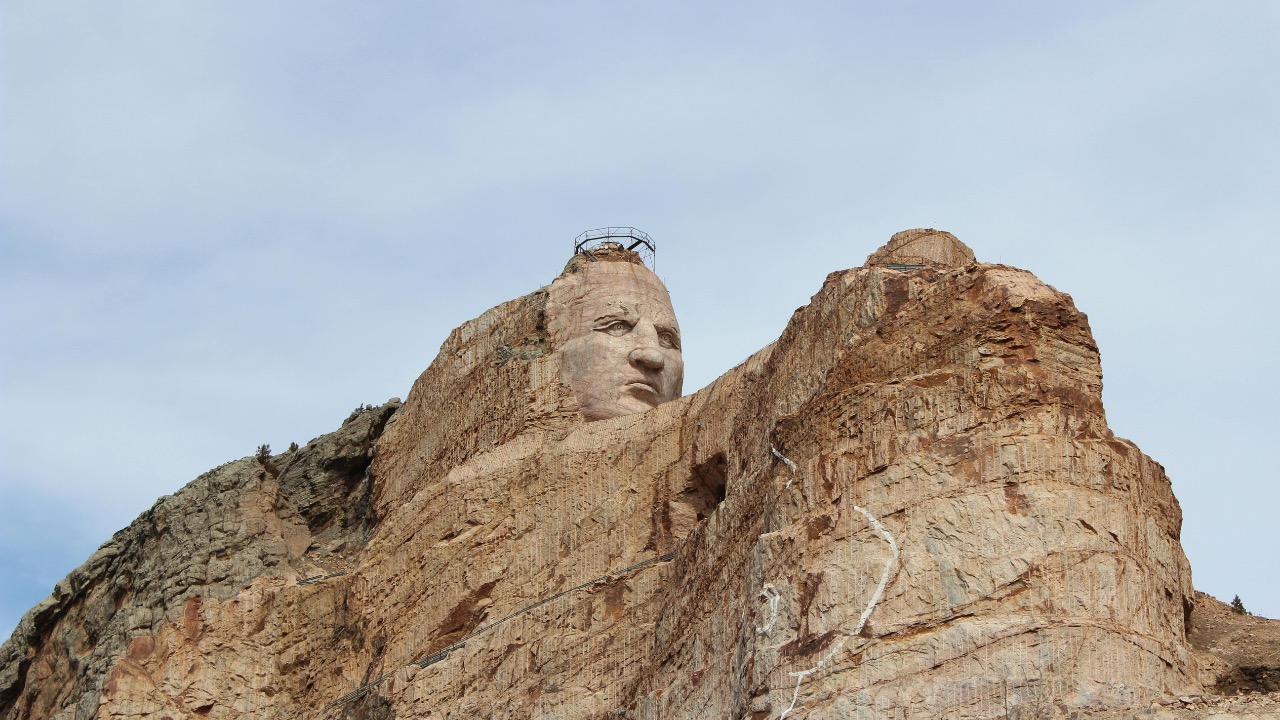
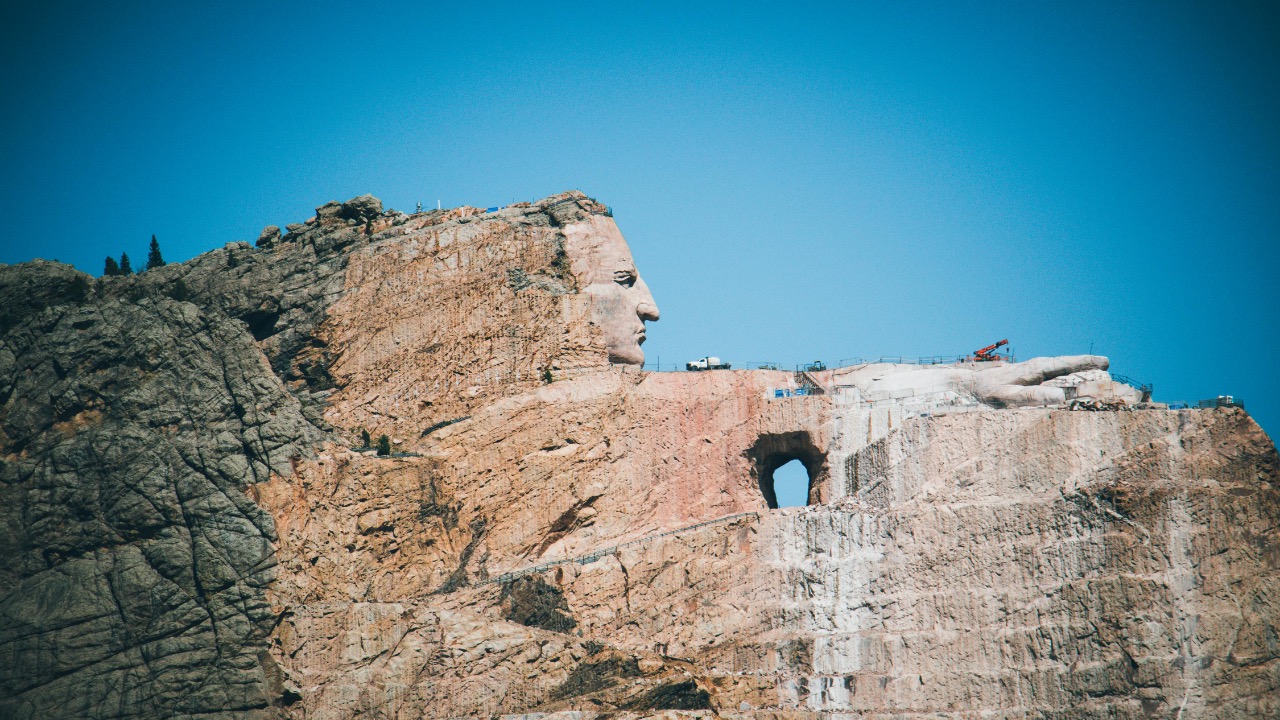
The figure many of us know as Crazy Horse did not start life with that famous name, which is the first clue that it had to be earned. Historical accounts describe him as a member of the Oglala Sioux, born in the Black Hills of, and they trace his path from a quiet boy to a central Lakota war leader. In his early years, he was known by other names that reflected how he looked and behaved as a child, not yet as a fighter.
One detailed profile notes that he was born into the Oglala Lakota near present‑day Rapid City in the Black Hills of South Dakota and that he was initially called “Curly,” a nickname tied to his hair. A separate account of his early years explains that his father, an Oglala Sioux shaman, later took the name Worm after passing the name Crazy Horse to his son. That transfer shows how the name functioned as a title with history attached, not as a random phrase invented for a child.
How the name “Crazy Horse” was actually earned
The story of how Curly became Crazy Horse captures the way names could be tied to bravery and public witness. Oral histories describe a period when the young man began to show unusual courage and skill in battle, to the point that his actions stood out even among other warriors. In one telling, when he rode into a fight with striking calm and determination, those watching began to connect his behavior with the powerful name his father carried.
A video retelling of the Crazy Horse story describes how, as he rode out, people around him started whispering and the Elder Crazy Horse began singing a song to honor warriors. At a key moment, the elder publicly passed the name to his son, which meant the younger man now had to live up to the reputation attached to it. Another segment of that same narrative, focused on the Elder Crazy Horse, shows that the renaming happened in front of the community, with song and ceremony, turning a personal act of bravery into a lasting identity.
Curly, Worm, and the family history inside one name
For me, one of the most revealing details is that more than one person in the family used the name Crazy Horse. A discussion thread about Lakota names recalls a biography from the 90s in which a reader remembered that his father and grandfather had carried versions of the same name. That memory lines up with other accounts that describe how the elder man, later known as Worm, passed the name to his son after the younger fighter began to act in a way that matched it.
An historical overview of Chief Crazy Horse explains that, as with tradition, he was not originally named Crazy Horse and started out as “Curly,” then earned the famous name by proving himself in battle. Another historical sketch of Curlynotes the same pattern, tying his childhood nickname to his appearance and his adult name to his actions. That shift from Curly to Crazy Horse, with Worm stepping aside, shows how a single name could carry both family continuity and a public record of courage.
Why English translations sound like jokes
Part of the reason names like Crazy Horse get mocked is that English translations strip away the original sound, rhythm, and cultural context. When a Lakota or other Indigenous name is turned into two simple English words, it can end up sounding like a punchline to people who do not know the language. I often see this in pop culture, where characters with translated names are used as comic relief or shorthand for “primitive” stereotypes.
One online explanation of why names are fully points out that we rarely translate European names in the same way, even when they have literal meanings. A commenter jokes that if we applied the same logic to modern life, a baby might walk out of the hospital named “Lazy Old Nurse,” which exposes how absurd the translation practice can be. In another thread on names like Crazy, a user remembers reading that the name reflected how a man rode his horse crazily, and the way that memory is framed shows how a literal English phrase can hide a deeper sense of power and respect.
Names as ceremony, healing, and responsibility
For many Native people, receiving a name is not just a family choice but a ceremonial act tied to health and community obligations. One first‑person account describes a naming ceremony that ended with the writer’s sickness healed, which they connected directly to the power of the new name. That story shows how a name can be part of a spiritual practice, not just a label for official documents.
In that same reflection, the writer explains that the ceremony ended and their sickness was healed, and then adds that the name bestows certain powers and responsibilities. A second passage about your Native name ties that experience to a broader teaching community at Native‑Americans‑Online.com, where people share how names shape learning and duty. Placed beside the story of Crazy Horse, it suggests a shared pattern: a public moment, a shift in identity, and a new level of responsibility that the person is expected to carry.
How outsiders turned earned names into clichés
Once non‑Native writers began recording Indigenous names, they often did it with little understanding of the systems behind them. Translators tended to break names into simple English words, which made them easy to print but easy to mock. Over time, that habit produced a stock set of “Indian names” in popular culture, many of them invented or exaggerated, that had little to do with real people or languages.
A discussion on whether names like shows how far the clichés drifted from actual practice, with historians noting that such comic constructions are mostly products of movies and jokes. Set against detailed accounts of Crazy Horse, which trace his life through the Black Hills of South Dakota and his role in conflicts with the U.S. federal government, the gap is striking. The real man carried a name linked to family, ceremony, and war, while the stereotype flattens that complexity into a gag.
Why the story behind a name still matters
Understanding how Crazy Horse earned his name changes how I read his actions in the historical record. He was not just an individual warrior but someone living up to a title that had already carried weight in his family. Accounts of his life and battles in the Black Hills of South Dakota, near Rapid City, show a pattern of leadership that matched the fierce image his name suggests.
More broadly, Native writers who describe naming traditions and personal ceremonies make clear that names continue to shape identity today. The idea that names are earned, sometimes through hardship or healing, pushes back against the casual way many of us treat our own names. When I hear a name like Crazy Horse with that context in mind, I no longer hear a quirky phrase. I hear a lifetime of proof that a person lived up to the story their community saw in them.

Leo’s been tracking game and tuning gear since he could stand upright. He’s sharp, driven, and knows how to keep things running when conditions turn.