

U.S. Department of Agriculture Reports New Data on Deer-Related Crop Damage
New federal data on wildlife conflicts are putting hard numbers behind a complaint that has echoed across farm country for years: deer are eating into yields and farm income at a scale that rivals weeds and insects. The U.S. Department of Agriculture is now detailing the scope of deer-related crop losses and the cost of managing them, giving producers and policymakers a clearer picture of where the pressure is most intense and which tools are actually working.
The latest figures arrive as white-tailed deer populations remain high across much of the country and as traditional controls such as hunting decline in some regions. Taken together, the new reporting and supporting field studies show that deer are reshaping planting decisions, forcing expensive fencing investments, and driving calls for more aggressive management on both public and private land.
USDA data puts a national price tag on deer damage
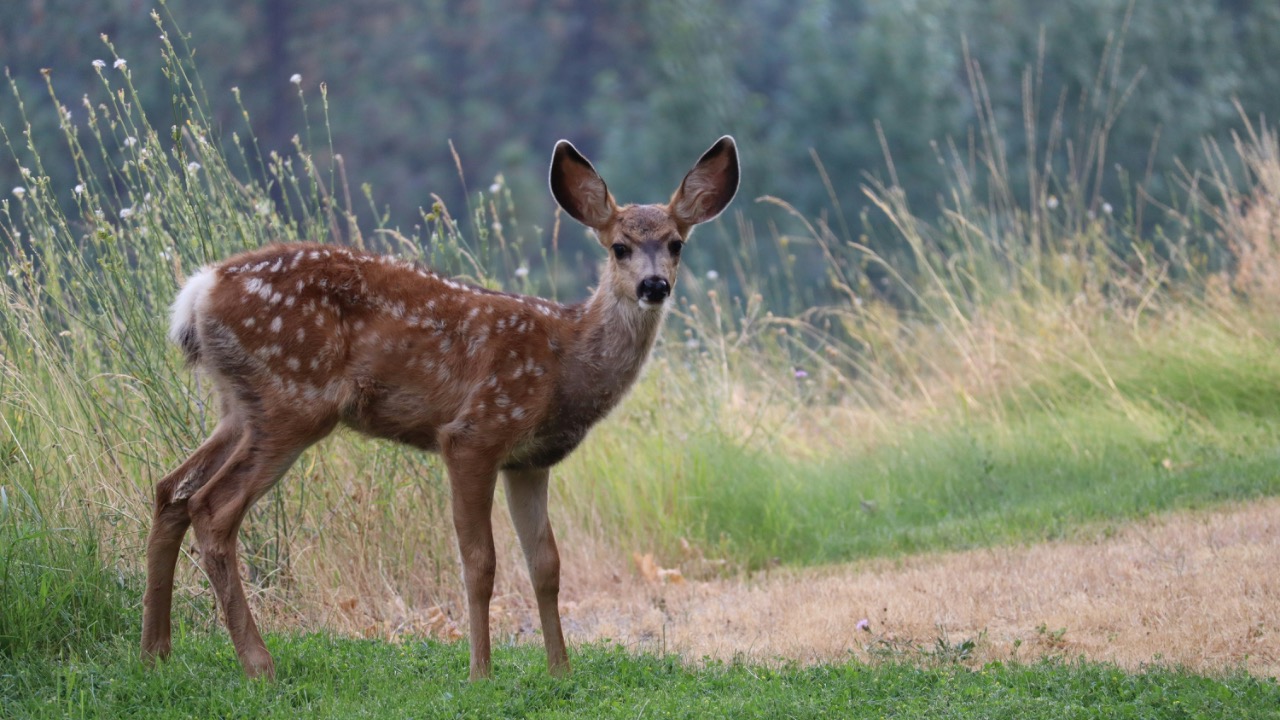
The U.S. Department of Agriculture, through its Animal and Plant Health Inspection Service, has spent decades tracking how wildlife affect crops, livestock, and infrastructure. Its Wildlife Services program now publishes detailed summaries of those activities, including how much time and money go into dealing with deer on farms. In its latest communication, USDA described how USDA Wildlife Services compiles annual reports on wildlife damage management, giving producers and state agencies a consistent national reference for the scale of the problem.
Those reports sit alongside a growing library of technical bulletins, field guides, and economic assessments produced by the same program. The agency’s Animal and Plant publications catalog covers everything from fencing designs to population control strategies and now anchors USDA’s discussion of deer-related crop damage. By tying local complaints to standardized national data, the department is trying to move the debate from anecdote to evidence, which in turn shapes federal cost-share programs and state-level management plans.
Regional studies show deer rival top agronomic threats
While USDA supplies the national frame, regional research is filling in the economic detail. In cotton, a recent study led by university specialists in the Southeast confirmed that deer are no longer a marginal nuisance but a leading yield robber. That work, highlighted for growers earlier this year, found that chronic browsing in key cotton counties translated into tens of millions of dollars in lost lint and seed, with one estimate putting annual losses for farmers in a single state at roughly 114 million dollars, according to an analysis of cotton’s major deer.
Producer perceptions captured in a Plain Language Summary of a broader survey of cotton stakeholders align with those findings. In that work, researchers reported that White-tailed deer damage is now a routine part of cotton production in the Southeastern United States, even though the species was nearly hunted to extinction in the past. Consultants, county agents, and growers described stand loss, uneven maturity, and replant costs that line up closely with the economic patterns USDA is now documenting in its wildlife damage reports.
Soybean and row crop producers absorb mounting losses
The pressure is not confined to cotton. Soybean growers in particular are reporting heavy browsing at emergence and during pod fill, which can wipe out stand counts or strip yield potential from surviving plants. In South Carolina, a presentation at the South Carolina Corn and Soybean production meeting, organized by the South Carolina Soybean Board and Clemson Cooperative, pegged deer losses pegged dollars for soybeans alone, drawing on a state Department of Natural Resources deer report.
Similar patterns are emerging in other row crops. A separate assessment of soybean and grain producers in Mississippi found that the acres damaged by deer accounted for 17 percent of the total acres planted by the respondents, and that Soybeans were by far the most impacted with 90 percent of reported damage. Those numbers echo national survey work that shows deer as a significantly worse problem than insurers’ claim data would suggest, with Surveys of producers consistently ranking them above other wildlife when asked which animals hurt their bottom line.
Deer biology, hunter trends, and local density all matter
Behind the spreadsheets is a familiar ecological story. White-tailed deer are highly adaptable browsers that thrive in edge habitat and patchwork landscapes, the same conditions that define much of modern agriculture. Where populations are high, even a modest number of animals can inflict serious damage by repeatedly feeding in the same fields night after night. State wildlife agencies are now mapping that pressure more precisely, as illustrated by the first county-level deer density report from Iowa, which described how even relatively low percentages of harvested row crops can translate into significant economic losses once local deer numbers and field proximity are factored in, according to the Iowa DNRanalysis.
Long-term shifts in hunting participation are also weakening one of the main population control tools that farmers have traditionally relied on. Over the last two decades, Over the same span, Mohr and other conservation staff have documented a decline in the number of deer hunters across age and demographic groups, along with lower participation rates. Fewer hunters on the landscape can mean more deer on the fields, which helps explain why producers in places as different as Georgia, South Carolina, and Minnesota describe a similar upward trend in browsing pressure.
Producers weigh costly defenses and call for policy help
Faced with rising losses, farmers are turning to a mix of physical barriers, repellents, and coordinated management, each with tradeoffs. Permanent exclusion fencing is often the most reliable option but also the most expensive. A legislative report on cervid conflicts in the Upper Midwest found that Deer fencing can cost between 9 and 15 dollars per linear foot, a price that only pencils out for high-value crops or small, intensively managed fields. Even then, producers must account for maintenance, gates, and the risk that a single breach can reopen the buffet.
Where fencing is not feasible, growers experiment with deterrents and seek regulatory relief. In New Jersey, a statewide survey titled How Deer Overpopulation Impacts Agriculture reported that, according to the farmers surveyed, deer are responsible for 70 percent of wildlife crop damage, and that some have considered abandoning farmland because of the cumulative impact, according to the How Deer Overpopulation survey. Producers there and elsewhere are pressing for more flexible depredation permits, expanded seasons, and targeted culls around the most vulnerable crops.

Leo’s been tracking game and tuning gear since he could stand upright. He’s sharp, driven, and knows how to keep things running when conditions turn.


