The Reason Some Guns Keep Earning Trust Year After Year
Some firearms keep showing up in safes, patrol cars, and competition ranges decade after decade, long after flashier models have faded. Owners talk about them the way people talk about a favorite truck or a well‑worn tool, as something that has proved itself in bad weather, under stress, and over long stretches of time.
That loyalty rests on a mix of engineering choices, user experience, and hard lessons from the broader debate over guns and safety. Understanding why certain models earn enduring confidence helps explain not just consumer habits, but also how people weigh risk, reliability, and responsibility around lethal hardware.
What happened
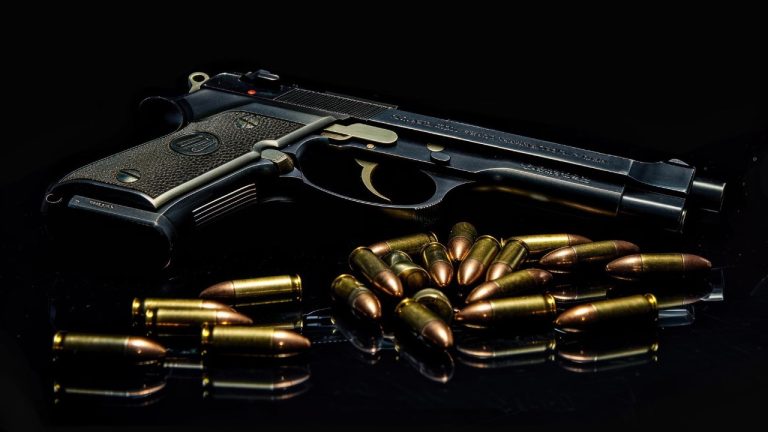
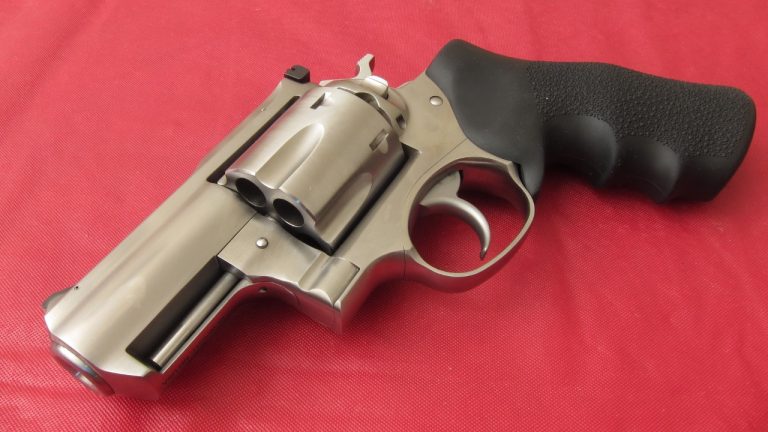
Across the firearms market, a small group of models keeps resurfacing in surveys, resale data, and owner anecdotes as guns that inspire more confidence the longer they are kept. A recent rundown of “15 guns that owners trust more after every year they keep them” highlighted models that have stayed in service for tens of thousands of rounds, through hunting seasons, defensive carry, and law enforcement work, without chronic failures or costly parts replacements. Focused on real‑world use, that list reflects a wider pattern among long‑time owners who favor designs that simply keep working.
Many of those highly regarded firearms share common traits. They rely on proven operating systems, use widely available calibers, and have aftermarket support that lets owners maintain or upgrade them instead of discarding them. Just as homeowners gravitate toward a sealant that survives heat, cold, and movement, as seen in guides to the best exterior caulk, gun owners tend to stick with platforms that have already survived harsh conditions.
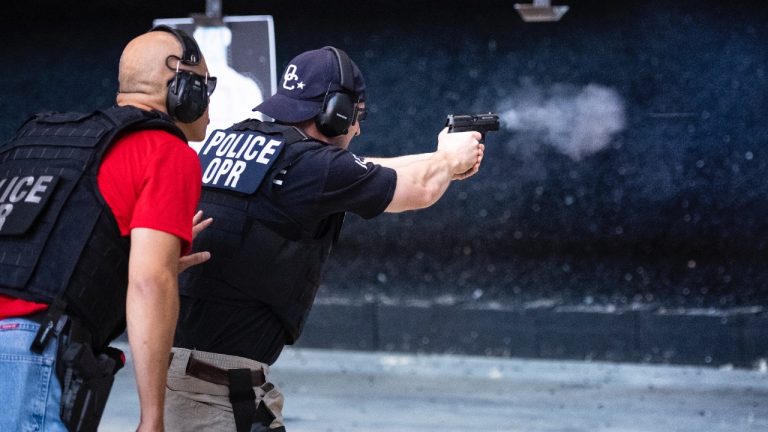
Trust also grows through institutional use. Police departments, military units, and security agencies often standardize on platforms that have passed extensive endurance and safety testing. When a sidearm or rifle remains in a department inventory for years, with clear maintenance records and predictable performance, that institutional history filters back into the civilian market. Owners then treat those models as known quantities rather than experiments.
Meanwhile, the wider context around guns has shifted. Research on violence, public health, and community safety has challenged the simple idea that more firearms automatically equal more protection. One analysis of crime and injury data found that higher household gun ownership correlated with higher rates of homicide and suicide, directly pushing back on the claim that guns inherently make communities safer. That work, summarized in a report debunking the notion that guns make us, has forced a more careful conversation about what kind of “trust” is actually being placed in these tools.
In schools, for example, New York City’s reliance on armed school safety agents has come under scrutiny from educators and community groups who argue that heavy policing can strain relationships with students. Reporting on the city’s “credible messenger” program described how staff like Freddy Medina, a former gang member turned mentor, work alongside those agents to defuse conflicts before they escalate. That effort, detailed in coverage of guns in schools, shows how institutions are reassessing when firearms build trust and when they erode it.
The tension is visible internationally as well. In the United Kingdom, where handguns are tightly controlled and police rarely carry them, a recent case involving a Metropolitan Police officer who fatally shot Chris Kaba during a traffic stop triggered a national debate over armed policing. The officer, identified in court as NX121, was charged with murder, and the case has focused attention on how often officers should carry guns and under what rules. Coverage of Kaba’s death has highlighted long‑standing concerns about armed police accountability, especially in communities that already distrust law enforcement.
Taken together, these developments frame a basic reality. While some specific guns earn long‑term confidence from their users, the broader public conversation about guns and safety has become more skeptical, more data driven, and more focused on the social costs that accompany widespread ownership.
Why it matters
Enduring trust in certain firearms matters because it shapes both consumer behavior and policy discussions. When owners find that a specific model runs for years with minimal malfunctions, they are more likely to recommend it, train with it, and keep it close during emergencies. That loyalty reinforces sales and encourages manufacturers to refine successful designs rather than chase novelty for its own sake.
Lists that highlight guns owners trust more over time, such as the 15‑gun roundup, tend to emphasize durability, parts availability, and consistent accuracy. Those traits mirror what people look for in any safety‑critical product. A defensive firearm that misfires is more than an inconvenience; it can cost a life, either by failing when needed or by encouraging risky behavior from someone who overestimates its reliability.
Public health research that links higher gun prevalence with higher rates of lethal violence complicates that picture. If more guns in circulation raise the overall risk of homicide and suicide, then a firearm that inspires deep personal confidence can still contribute to a statistical increase in harm at the community level. The same tool that feels like a safeguard to one household can feel like a threat to neighbors who see rising shootings or accidental injuries.
Institutional trust is just as fragile. In New York City schools, the presence of armed safety agents has been justified as a way to protect students, but critics argue that it can criminalize minor misbehavior and strain relationships between young people and adults. The “credible messenger” approach, which relies on mentors with lived experience to mediate conflicts, suggests an alternative model of safety that does not lean so heavily on weapons. The program’s evolution shows how trust can shift from hardware to human relationships when communities demand different priorities.
The Kaba case in London illustrates how quickly public confidence can unravel when a gun is fired by someone in authority. The Metropolitan Police’s armed units are supposed to represent the most carefully trained and vetted officers, yet a single fatal traffic stop has raised questions about racial bias, use‑of‑force thresholds, and oversight. For communities that already feel targeted, each high‑profile shooting becomes another data point that firearms in official hands do not always equal safety.
All of these examples point to a central tension. Mechanical reliability and user satisfaction can make specific guns seem almost trustworthy in a personal sense. Yet the broader social data, along with high‑profile incidents of misuse, show that trust in guns is always conditional. It depends on who holds them, under what rules, and with what accountability. Treating trust as purely a matter of brand loyalty or engineering misses the larger stakes.
What to watch next
Several trends will determine which guns continue to earn confidence and how that confidence is judged. On the technical side, manufacturers are racing to integrate features like improved drop safeties, better out‑of‑the‑box triggers, and optics‑ready slides. Owners who have spent years with older models will decide whether these upgrades justify moving away from platforms that have already proved themselves under stress.
Maintenance culture will play a role as well. Just as homeowners rely on proven sealants to keep water out of vulnerable joints, as seen in testing of weather‑resistant caulk, gun owners who clean and service their firearms regularly are more likely to keep them running for decades. If training programs and ranges continue to emphasize lifecycle care rather than just marksmanship, more models may earn the kind of long‑term trust that shows up in owner surveys.
Policy debates are likely to sharpen the distinction between personal trust and public safety. Research that challenges the claim that more guns mean will continue to influence lawmakers, insurers, and courts. That could lead to new storage requirements, liability standards, or training mandates that affect which firearms people choose and how they use them.

Leo’s been tracking game and tuning gear since he could stand upright. He’s sharp, driven, and knows how to keep things running when conditions turn.