The Rifle Calibers Hunters Continue to Rely On for Their Proven Effectiveness
Across deer camps, Western trailheads, and Southern hog leases, a handful of rifle calibers keep showing up season after season. Hunters may argue brand names and bullet styles, but they repeatedly return to cartridges that have proven they can anchor game cleanly, handle real-world conditions, and stay available on store shelves when a trip is on the line.
These long-trusted rounds balance power, recoil, and practicality in ways newer offerings still chase. From whitetails in thick timber to feral hogs in tangled mesquite, the calibers below have earned their place through decades of field use and a track record of ethical kills.
What happened
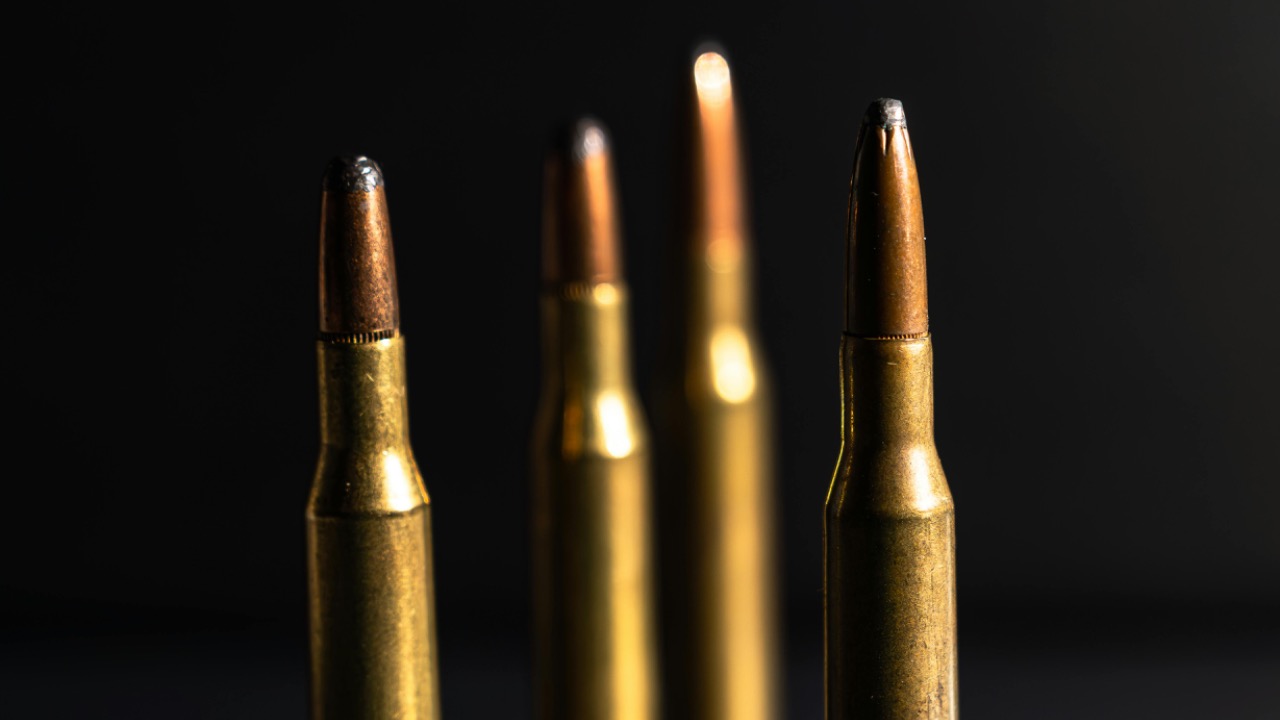
Over the past several decades, rifle design and bullet technology have advanced quickly, yet hunters continue to rely on a relatively small group of cartridges. The pattern shows up in sales data, in the rifles major manufacturers keep chambering, and in the calibers guides recommend for specific game such as feral hogs. New rounds arrive with promises of flatter trajectories or lighter recoil, but the rifles actually carried into blinds and backcountry ridges often wear familiar chamberings that date back to the early and mid 20th century.
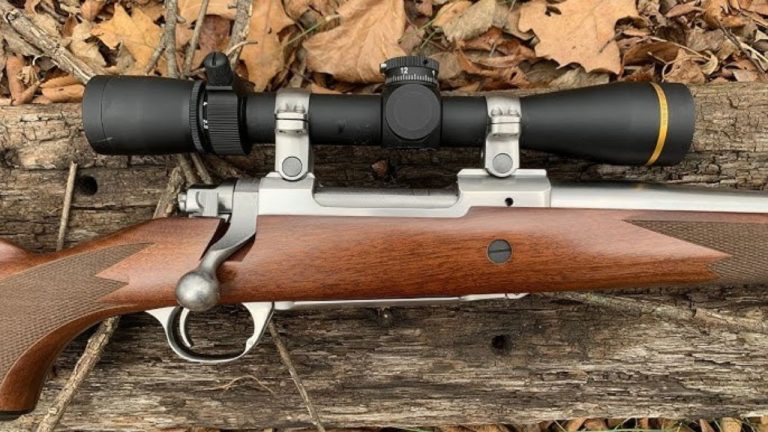
Among big game hunters in North America, the .30-06 Springfield, .308 Winchester, and .270 Winchester remain standard choices. The .30-06, introduced in the early 1900s, has taken every huntable species on the continent. Its popularity endures because it can push 150 grain to 180 grain bullets with enough velocity for elk, moose, and black bear, yet still fits into reasonably light rifles. The .308 Winchester, slightly shorter and more efficient, offers similar performance in a compact package that works in both bolt-action and semi-automatic platforms. The .270 Winchester, built from the .30-06 case necked down to .277 caliber, carved out a reputation for flat-shooting performance on deer and pronghorn.
In more recent decades, cartridges such as the .243 Winchester and 7mm-08 Remington have become favorites for hunters who want mild recoil without giving up effective range. The .243, essentially a necked-down .308 case firing 6 mm bullets, is widely used on whitetails and pronghorn when paired with controlled-expansion bullets in the 90 grain to 100 grain range. The 7mm-08, another .308 derivative, pushes 120 grain to 150 grain bullets that offer better sectional density than many .30 caliber options at similar recoil levels. These mid-size cartridges help new shooters and smaller-framed hunters build confidence while still providing reliable penetration on medium game.
Specialized hunting challenges have also pushed certain calibers to the front. Feral hogs, for example, have become a major target species across Texas, the Southeast, and parts of the Midwest. Their tough frames, unpredictable behavior, and tendency to appear in groups have led many hunters to favor cartridges that combine fast follow-up capability with enough energy to break shoulders and reach vital organs from poor angles. Guides who run night hunts and thermal setups often steer clients toward semi-automatic rifles chambered in .223 Remington, 6.5 Grendel, or .300 AAC Blackout for lighter recoil and higher magazine capacity, and toward .308 Winchester or 6.5 Creedmoor when shots may stretch into open fields.
One detailed overview of hog hunting calibers highlights how hunters match cartridge choice to real-world scenarios. For close-range work in thick brush, many rely on .30 caliber options such as .300 AAC Blackout and .30-30 Winchester, which deliver heavy bullets at moderate speeds for deep penetration. For longer shots over feeders or agricultural fields, the same guide points to the 6.5 Creedmoor and .308 Winchester as efficient options that hold accuracy and energy at extended ranges while still fitting into practical, portable rifles. That analysis of hog hunting calibers reflects what many outfitters see in their booking logs and what gun makers continue to produce.
Rimfire and small centerfire cartridges have also kept their place. The .22 Long Rifle remains the default for small game and practice, while the .17 HMR and .22 Magnum serve varmint hunters who need flatter trajectories and more authority on coyotes and foxes. In open country, cartridges such as .223 Remington and .22-250 Remington are still common for predator control and prairie dog shooting, where high velocity and minimal recoil let hunters spot impacts and make quick corrections.
Layered on top of this long-standing core, a newer wave of 6.5 millimeter cartridges has gained ground. The 6.5 Creedmoor, in particular, has moved from precision rifle competitions into deer stands and elk camps. Its appeal comes from efficient case design, high ballistic coefficient bullets, and relatively light recoil. Hunters who once defaulted to .308 Winchester for all-around use now often split their time between the two, with the 6.5 Creedmoor handling longer shots on deer and antelope and the .308 still favored where heavy brush or larger-bodied game are common.
Despite the marketing around newer rounds, the rifles that sell in volume keep circling back to a short list of proven chamberings. Manufacturers continue to chamber nearly every new hunting rifle line in .243 Winchester, .270 Winchester, .308 Winchester, and .30-06 Springfield. They add 6.5 Creedmoor and occasionally niche offerings, but the core remains the same. That pattern reflects what hunters actually carry into the field, rather than what appears in catalog copy.
Why it matters
The continued dominance of a few calibers shapes nearly every part of modern hunting, from how new shooters learn to shoot to what ammunition is available when supply chains tighten. When a cartridge like .308 Winchester or .30-06 Springfield is used across deer, elk, and hog hunting, ammunition makers have strong incentives to keep producing multiple bullet weights and designs. That variety lets hunters fine-tune performance while still relying on a cartridge that can be found in rural hardware stores and big box chains alike.
For ethical hunting, that availability matters as much as raw ballistics. A cartridge cannot be effective if a hunter cannot find quality ammunition to sight in and practice. The long track record of rounds such as .270 Winchester and .243 Winchester means bullet makers have refined controlled-expansion designs that open reliably across a wide velocity window. Hunters can choose soft points for traditional cup-and-core performance, bonded bullets for deeper penetration on larger game, or monolithic copper designs where lead restrictions apply. The same cannot always be said for niche cartridges that may have only one or two factory loads.
Recoil management is another reason these calibers endure. The .30-06 Springfield and .308 Winchester produce noticeable kick in lightweight rifles, yet many shooters learn to handle it with proper stock fit and shooting technique. For those who prefer less punishment, the .243 Winchester and 7mm-08 Remington offer a gentler introduction without a steep performance penalty on deer-sized game. Reduced recoil translates into better trigger control and more consistent shot placement, which matters more for clean kills than a small increase in muzzle energy.
In hog hunting, the choice of caliber has direct consequences for both animal welfare and land management. Feral hogs cause extensive damage to crops, fences, and native habitats, and they reproduce quickly. Landowners and wildlife agencies rely on hunters to remove significant numbers each year. That task is harder if poorly chosen cartridges lead to wounded animals that escape into thick cover. When hunters use cartridges with sufficient penetration and energy, such as .308 Winchester or 6.5 Creedmoor, they increase the odds of anchoring hogs on the spot, which protects working dogs, reduces tracking losses, and prevents additional property damage.
Hog hunting often involves shooting at moving targets, sometimes at night under thermal optics. Semi-automatic rifles chambered in .223 Remington or .300 AAC Blackout allow quick follow-up shots and higher magazine capacity. Those cartridges, when loaded with appropriate expanding bullets, can be very effective on hogs at moderate ranges. Their lower recoil also helps hunters maintain situational awareness when multiple animals are present. The balance between power and control illustrates why no single caliber dominates every scenario, and why hunters keep a small quiver of trusted options rather than chasing every new release.
Economics also play a role. Cartridges that sell in high volume benefit from competitive pricing and frequent promotions. A hunter who burns through several boxes of .223 Remington or .308 Winchester each year can usually find bulk offerings at lower cost per round than more exotic chamberings. That affordability encourages regular practice, which has a greater impact on field success than small ballistic differences between cartridges. A well-practiced hunter with a .243 Winchester is more likely to make a precise shot than someone who shoots only a few rounds each year from a hard-kicking magnum.
Rifle design follows the same logic. Manufacturers invest in tooling and quality control for chamberings that will move units. Lightweight mountain rifles, compact youth models, and budget-friendly entry guns all tend to appear first in .243 Winchester, .270 Winchester, .308 Winchester, and 6.5 Creedmoor. That availability shapes what new hunters encounter when they walk into a gun shop. A teenager buying a first deer rifle is more likely to leave with one of these established calibers simply because that is what is on the rack in suitable stock dimensions and price points.
There is also a safety dimension. When a cartridge has been in service for decades, gunsmiths, instructors, and experienced hunters understand its limitations and quirks. They know, for example, how far a .30-06 bullet can travel if a shot misses and what backstops are required in rolling farmland versus flat desert. That collective knowledge reduces the risk of unsafe shots and helps mentors teach new hunters to respect the reach of their rifles.
Finally, the cultural weight of these calibers matters. Stories passed down about a grandparent’s .30-06 or a parent’s .270 that has taken dozens of deer influence what younger hunters trust. When a cartridge has filled freezers for generations, it carries a sense of reliability that marketing alone cannot match. That trust, reinforced by successful hunts, keeps these chamberings at the center of hunting culture even as newer options appear.
What to watch next
The next decade will test how firmly these traditional calibers hold their ground against newer designs and shifting hunting patterns. Several trends suggest both continuity and gradual change. The ongoing rise of suppressors, for example, favors cartridges that work well with subsonic loads or that keep muzzle blast manageable. The .300 AAC Blackout has already carved out a niche among hog and predator hunters who run suppressed short-barreled rifles. If more states streamline suppressor regulations, similar moderate-pressure cartridges could see increased adoption for close-range hunting.
Precision shooting culture will likely continue to influence hunting choices. Cartridges such as 6.5 Creedmoor and 6.5 PRC were developed with long-range accuracy in mind, and their success in competition has spilled over into the hunting world. Hunters who train on steel targets at 600 yards and beyond often carry the same chamberings into the field. As more shooters gain access to ranges with longer distances and better instruction, the appeal of efficient, high ballistic coefficient bullets is unlikely to fade. That trend may not displace .308 Winchester or .30-06 Springfield entirely, but it could shift some all-around roles to 6.5 millimeter cartridges.

Leo’s been tracking game and tuning gear since he could stand upright. He’s sharp, driven, and knows how to keep things running when conditions turn.