The states where coyote encounters are becoming more common
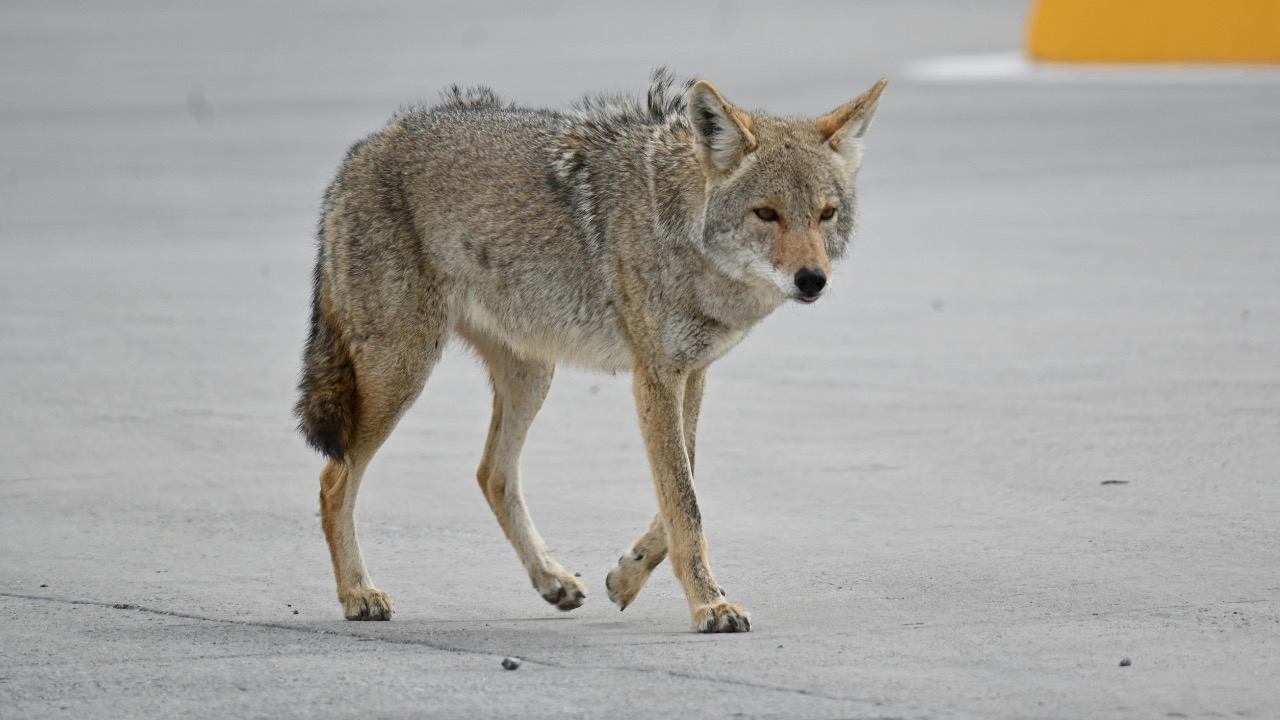
You don’t have to spend much time outdoors these days to know coyotes are showing up in more places—and acting bolder when they do. What used to be a backfield or prairie problem has moved into suburbs, trail systems, and even city edges. You hear them at night where you never used to. You see tracks where they didn’t used to run.
This isn’t a sudden shift. Coyotes have been expanding for decades, adapting to pressure, development, and food sources that keep changing. Some states are feeling that pressure more than others right now. Here’s where encounters are picking up—and why you’re noticing it.
Texas Has Coyotes Everywhere You Look
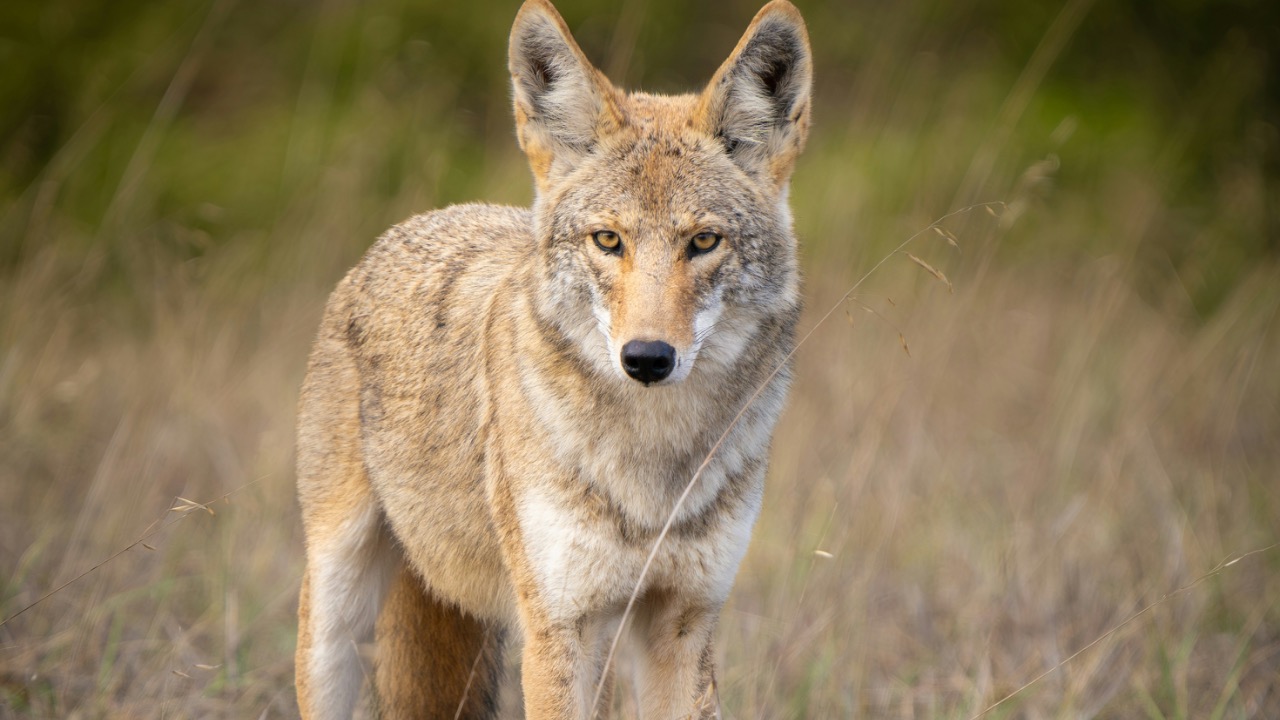
In Texas, coyotes have long been part of the landscape, but what’s changed is where you’re running into them. They’re not staying out on big ranch country anymore. You’re seeing them on the edges of subdivisions, along greenbelts, and slipping through neighborhoods after dark.
Food drives a lot of it. Trash, pet food, rodents, and even landscaping that holds rabbits give them reason to stick close to people. Add in mild winters and year-round breeding success, and populations stay steady. You’re not dealing with a rare sighting—you’re dealing with an animal that’s learned to live alongside you and isn’t shy about it.
California Encounters Are Moving Into Suburbs
In California, coyotes have pushed deep into suburban and urban spaces. Places around Los Angeles and the Bay Area report regular sightings, even in daylight.
Development has boxed them in, but it hasn’t pushed them out. Instead, they’ve adapted to tight spaces, using drainage systems, parks, and open corridors to move around. Pet attacks and close encounters have increased in these areas, not because coyotes are new, but because they’re more comfortable operating around people. You’re seeing an animal that’s learned routines—and is taking advantage of them.
Illinois Is Seeing More Daytime Activity
In Illinois, especially around Chicago, sightings are becoming more common in daylight hours. That’s a shift you notice right away.
Coyotes here have figured out how to use urban structure to their advantage. Rail lines, river corridors, and vacant lots give them cover. When populations rise, competition pushes them to move more often and take risks they wouldn’t have before. Daytime movement usually means they’re either pressured or comfortable enough to ignore human presence. Either way, you’re crossing paths more often than you used to.
Florida’s Growing Population Is Pushing Into Neighborhoods
Coyotes weren’t always a major factor in Florida, but that’s changed. Over the past few decades, they’ve spread across the state and settled into both rural and developed areas.
You’ll hear about them in places you wouldn’t expect—subdivisions, golf courses, even coastal communities. The mix of warm climate and steady food supply helps them thrive. Encounters with pets are one of the biggest issues here. When coyotes find easy meals, they come back. Once they get comfortable, they’re hard to push out.
Pennsylvania Has Rising Sightings in Suburban Areas
In Pennsylvania, coyotes have been around for years, but sightings in suburban neighborhoods are picking up. You’re seeing them move along wooded edges behind homes and across small patches of cover.
Deer populations play a role here, along with small game and human-related food sources. As development spreads, coyotes follow those edges. They don’t need wide-open space to operate. You’re more likely to hear them at night, but more people are spotting them during early morning and evening hours. It’s not an invasion—it’s a steady increase that’s getting harder to ignore.
Colorado Encounters Are Climbing Along the Front Range
In Colorado, especially along the Front Range, coyotes are a regular part of life now. Towns pressed up against foothills create perfect habitat transitions.
You’ve got open ground, cover, and food all in close reach. That draws coyotes in, and once they’re there, they stay. People hiking, running, or walking dogs are reporting more close encounters, particularly during denning season. Coyotes can get territorial that time of year, which leads to more aggressive behavior. You’re not seeing more coyotes by accident—you’re sharing the same space more than ever.
New York Coyotes Are Expanding Into Urban Edges
In New York, coyotes have expanded well beyond rural upstate areas. You’ll now find them along the edges of cities and even inside them.
Parks, cemeteries, and undeveloped pockets give them room to operate. They move mostly at night, but sightings are becoming more common during the day. As populations stabilize and grow, younger animals disperse and look for territory, which pushes them into new ground. That’s when you start seeing them in places that used to feel off-limits for predators.
Georgia Is Seeing More Conflicts Around Residential Areas
In Georgia, coyotes are showing up more often near homes, especially in expanding suburban zones. As timber land gets developed, habitat shifts and forces animals to adjust.
They follow food first. Garbage, pets, and natural prey around neighborhoods give them reason to stay close. Reports of missing pets and nighttime sightings have climbed in recent years. Coyotes here aren’t behaving wildly different—they’re responding to opportunity. When the landscape changes, they change with it, and you’re seeing that play out more often.
Arizona Coyotes Are Adapting to Desert Cities
In Arizona, coyotes have long handled desert conditions, but urban growth has pulled them into city limits more often. Phoenix and surrounding areas see steady reports.
Water sources, irrigation, and human activity create pockets where prey gathers. Coyotes key in on that. You’ll hear them at night and occasionally spot them crossing roads or cutting through neighborhoods. Heat doesn’t slow them down the way you might think. They adjust their movement to cooler hours and keep operating. You’re dealing with an animal built to handle tough ground—and now it’s handling city edges the same way.
Coyotes aren’t spreading by accident. They’re following opportunity, and right now, there’s plenty of it. You can still pattern them, still hunt them, still manage around them—but you’ve got to recognize that they’re not staying put. They’re moving, adapting, and settling into places you didn’t used to think about.

Asher was raised in the woods and on the water, and it shows. He’s logged more hours behind a rifle and under a heavy pack than most men twice his age.