Are Rural Communities Being Overlooked in National Policy Debates?
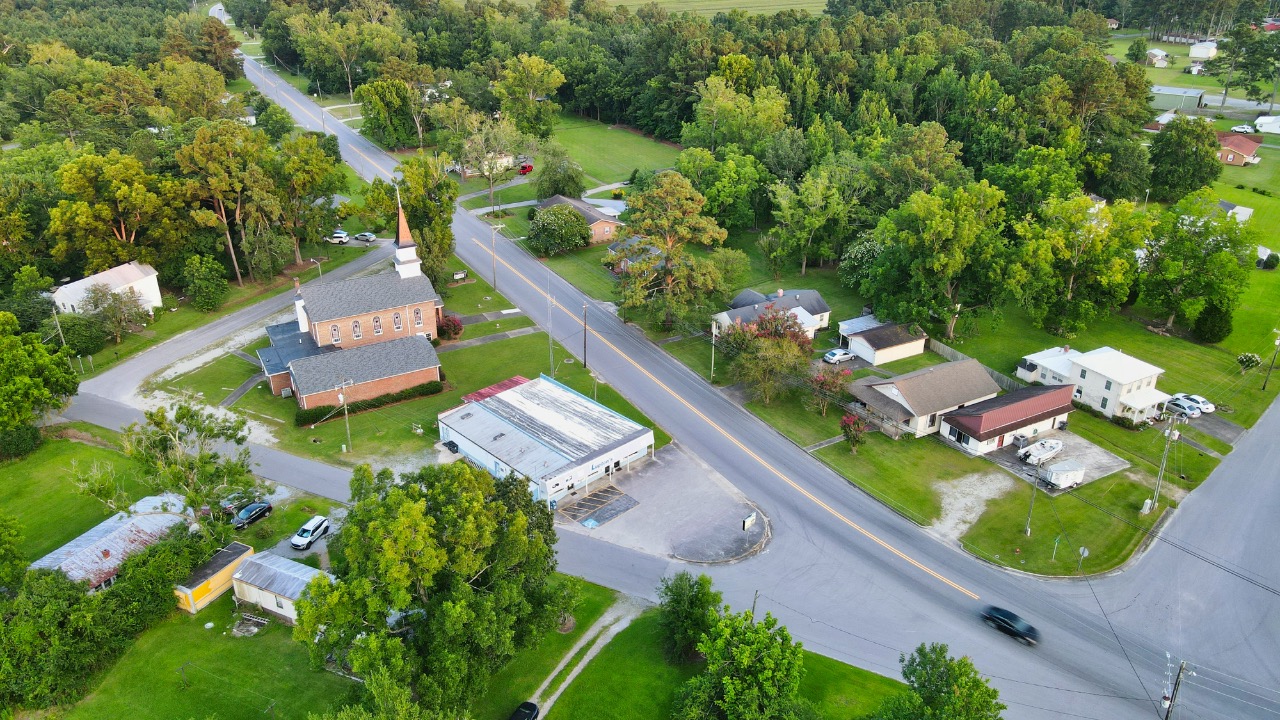
If you live in a small town, you’ve probably felt it before. A national debate lights up cable news and social media, but the way it plays out on your dirt road or Main Street looks nothing like the version discussed in Washington. Rural communities aren’t invisible, but they’re often reduced to voting patterns or stereotypes instead of treated as complex places with real economic and cultural weight.
You see it when policy is written with dense cities in mind. Population size drives headlines and funding formulas. But geography, distance, and limited infrastructure change how laws land in farm country, timber towns, ranching regions, and remote mountain communities. The question isn’t whether rural America matters. It’s whether national conversations consistently account for how differently policies affect you.
Broadband Access Still Lags Behind
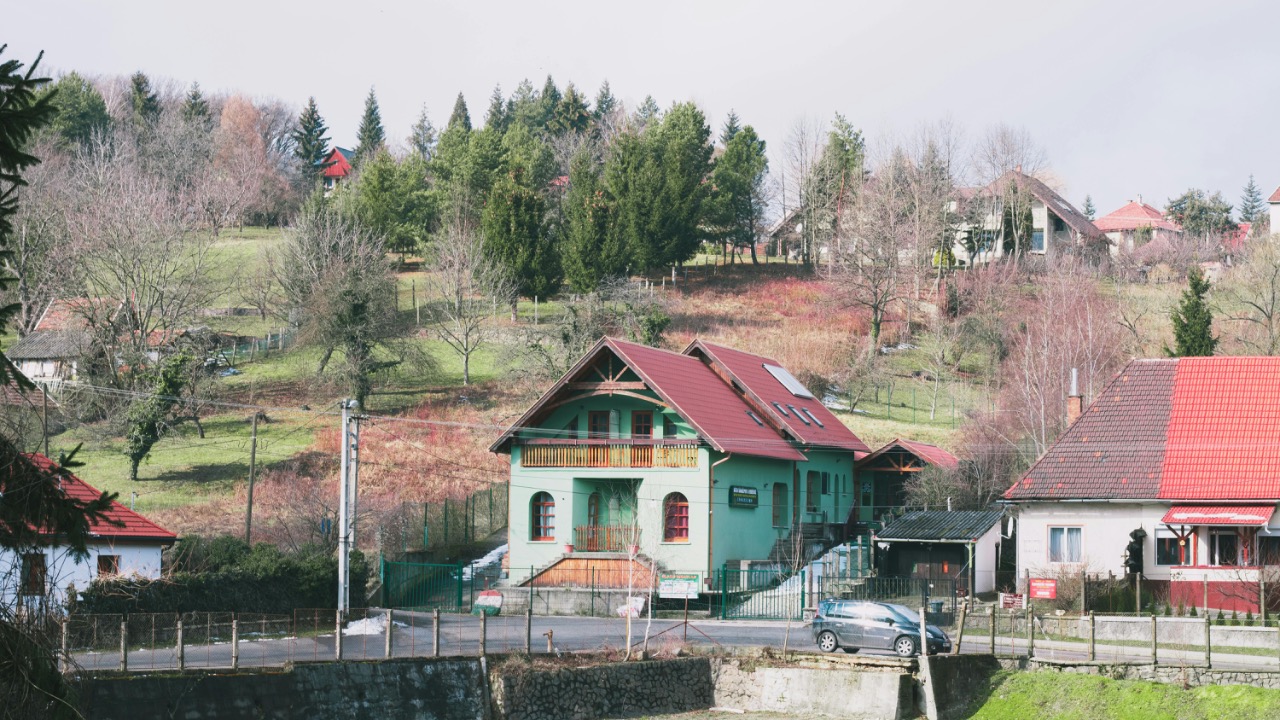
High-speed internet has become basic infrastructure. You need it to run a business, apply for jobs, access telehealth, and keep kids competitive in school. Yet many rural areas still struggle with slow connections or none at all. Federal programs have expanded funding, but rollout is slow and often tangled in red tape and mapping errors that overstate coverage.
When national leaders debate artificial intelligence, remote work, and digital economies, it can feel detached from the reality of spotty signals and long drives to a public Wi-Fi hotspot. Without reliable broadband, rural communities can’t fully participate in the modern economy. That gap shapes everything from education to entrepreneurship, and it rarely gets sustained attention once the funding bill passes.
Healthcare Deserts Are Growing
You don’t need statistics to see the strain. Rural hospitals have closed across the country, leaving entire counties without emergency rooms or maternity care. Recruiting doctors is hard when patient volumes are low and budgets are tight. When a facility shuts down, you’re suddenly driving an hour or more for basic care.
National healthcare debates often focus on insurance markets and urban hospital systems. Meanwhile, rural providers operate on thin margins and depend heavily on Medicare and Medicaid reimbursements. Policy shifts that look minor on paper can determine whether a hospital stays open. For you, that isn’t abstract. It’s the difference between quick treatment and a long, risky ride down a two-lane highway.
Agriculture Policy Isn’t the Whole Story
When lawmakers mention rural America, the conversation often narrows to farm subsidies and crop insurance. Agriculture is critical, but rural economies are more diverse than many assume. You might live in a county where logging, energy production, manufacturing, or tourism drive local income.
Focusing only on commodity programs misses the broader economic picture. Small-town main streets depend on stable jobs and access to markets, not only on farm policy. Trade agreements, environmental regulations, and energy rules ripple through these communities in complex ways. When debates overlook that diversity, policies can unintentionally squeeze towns that don’t fit the traditional image of rural America.
Energy Transitions Hit Close to Home
Shifts in national energy policy carry real weight in rural areas. Wind farms, oil fields, coal mines, and transmission lines are often located far from major cities. You may see new projects bring tax revenue and jobs, or you may watch longtime industries wind down with little replacement in sight.
National conversations about climate and energy can feel distant from the local realities of property taxes, school funding, and family employment. A plant closure doesn’t only affect workers. It affects diners, hardware stores, and churches. If transition plans don’t include retraining and infrastructure investment, rural communities bear a disproportionate share of the disruption.
Representation by Population Leaves Gaps
In the U.S., political power in the U.S. House of Representatives is based on population. As urban and suburban areas grow, rural districts cover more ground with fewer people. That means longer travel distances for representatives and stretched constituent services.
While the United States Senate gives equal representation to each state, national media attention and campaign spending often concentrate in metropolitan areas. If you live in a sparsely populated county, your concerns can be overshadowed by urban issues that dominate headlines. The structure isn’t designed to ignore you, but the practical effect can still feel like being sidelined.
Infrastructure Funding Favors Density
Roads, bridges, and water systems in rural areas cost more per person to maintain because fewer taxpayers share the bill. Federal infrastructure programs often prioritize projects that serve the largest number of people. On paper, that approach makes sense. In practice, it can leave small towns waiting years for upgrades.
If a bridge weight limit cuts off farm equipment routes or a water system fails inspection, the consequences are immediate. You can’t reroute traffic around a closed rural highway as easily as in a city grid. When funding formulas don’t account for distance and terrain, rural communities end up patching problems instead of solving them.
Public Lands Policy Has Local Consequences
Large stretches of public land managed by agencies like the Bureau of Land Management or the U.S. Forest Service sit in rural counties. Decisions about grazing permits, timber sales, wildfire management, and recreation access shape local economies.
National debates over conservation and energy development often focus on environmental outcomes or climate targets. For you, those decisions can determine whether mills stay open, whether hunting access expands or shrinks, and how wildfire risks are handled. Rural voices are part of the formal process, but they don’t always drive the conversation in the way national advocates do.
Education Funding and Workforce Gaps
Rural schools face unique challenges. Smaller tax bases limit local funding, and recruiting teachers to remote areas can be tough. Advanced placement courses, technical programs, and extracurricular options may be limited by staffing and budget constraints.
When workforce development becomes a national talking point, solutions often assume proximity to large employers or community colleges. In rural areas, training programs may require long commutes or relocation. If policy doesn’t address transportation, housing, and broadband barriers, the gap between rural students and their urban peers can widen. Over time, that shapes who stays, who leaves, and whether a town can sustain its population.
Rural communities aren’t monolithic, and they’re not powerless. But if you live there, you know national debates don’t always capture the practical realities of distance, density, and local economies. Until policy consistently accounts for those differences, the feeling of being overlooked will remain part of the conversation.

Asher was raised in the woods and on the water, and it shows. He’s logged more hours behind a rifle and under a heavy pack than most men twice his age.