The story of the Jamestown massacre and the deadly conflict behind it
The Jamestown Massacre of 1622 remains one of the deadliest and most shocking events in early American colonial history. It was a violent turning point in the fragile relationship between English settlers and the Powhatan Confederacy in Virginia.
Background
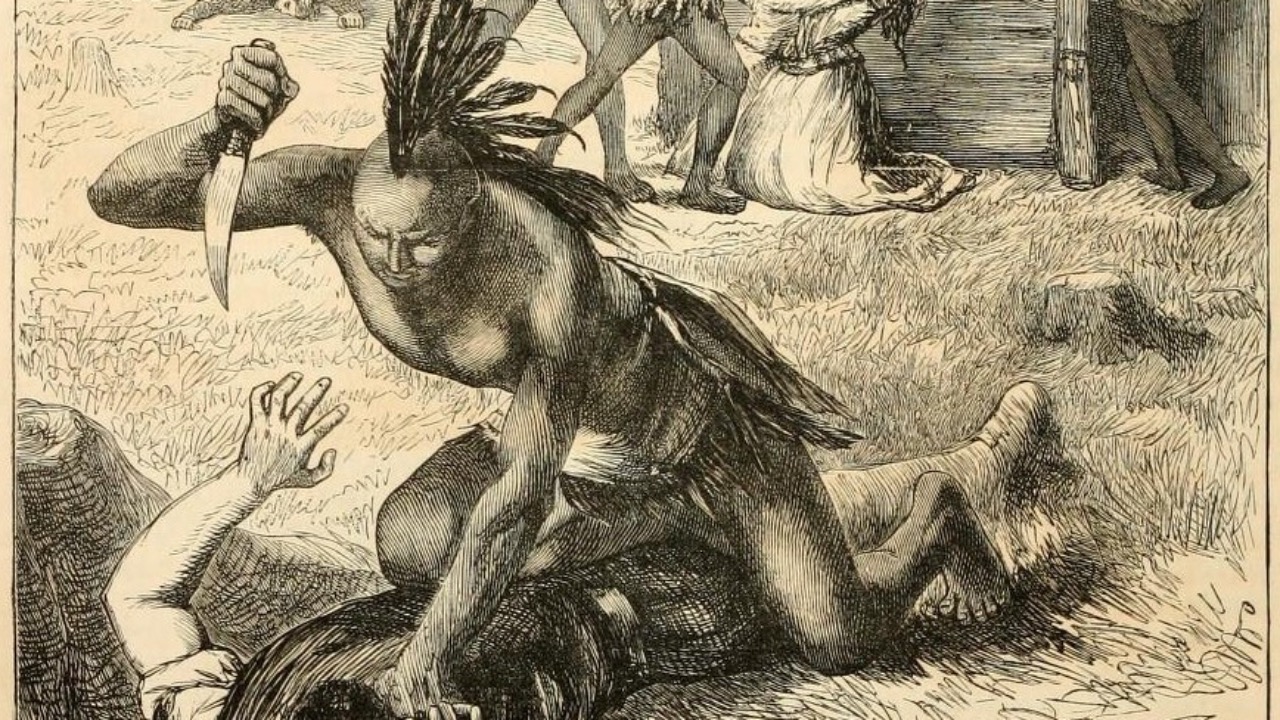
Jamestown, founded in 1607, was the first permanent English settlement in North America. The settlers faced harsh conditions, including famine, disease, and conflicts over land. The Powhatan Confederacy, a powerful network of Native American tribes, initially traded with and helped the settlers. However, tensions grew as English colonists expanded their territory and encroached on native lands.
The Massacre
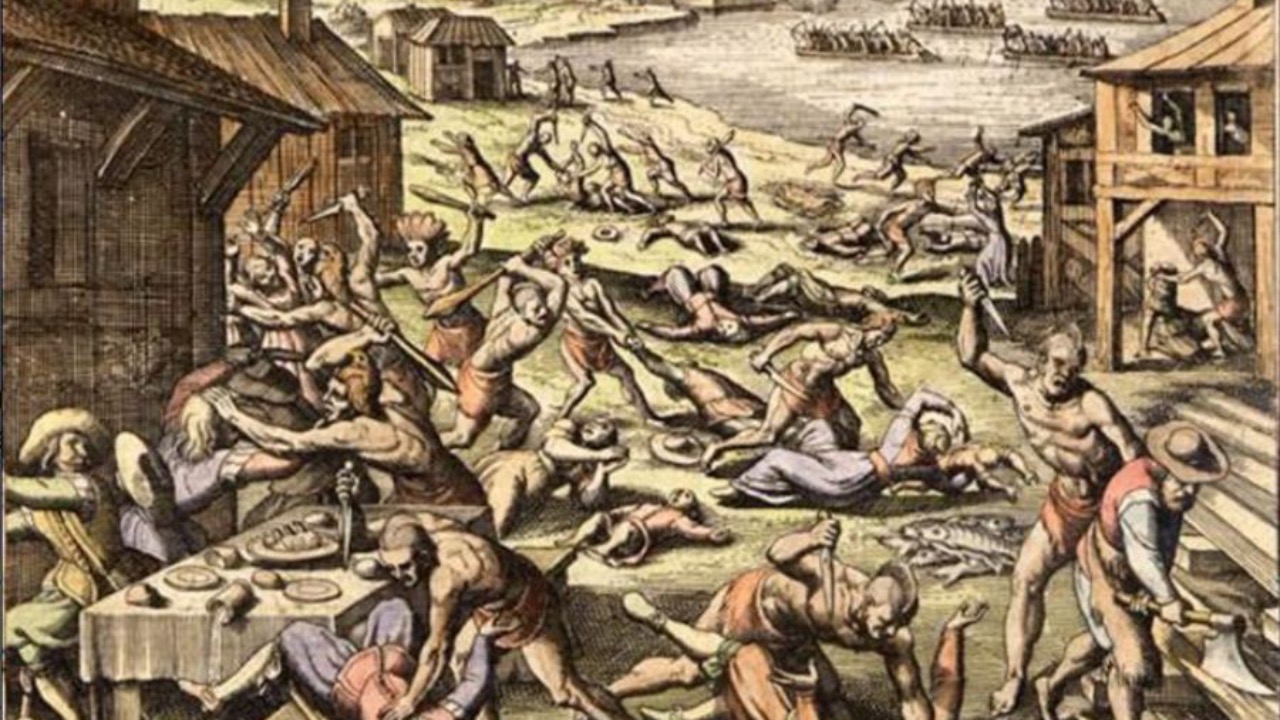
On March 22, 1622, Powhatan warriors launched a coordinated attack on Jamestown and surrounding settlements. Estimates suggest that roughly 347 colonists—about a third of the population—were killed. Entire plantations were wiped out, and the sudden violence shocked the colony. Families were decimated, homes were burned, and survivors faced fear and uncertainty.
Causes of the Conflict
The Jamestown Massacre was not a random act of violence. It stemmed from ongoing disputes over land, resources, and power. The English demand for more territory for tobacco cultivation threatened the Powhatan way of life. Additionally, misunderstandings and prior hostilities contributed to deep resentment.
Aftermath
The massacre changed the course of English-Native relations. The settlers retaliated with brutal campaigns against the Powhatan tribes, leading to decades of violent conflict. The attack also prompted the English to fortify their settlements and adopt a more aggressive stance toward native populations, setting the stage for further expansion and colonization.
Legacy
The Jamestown Massacre highlights the fragile balance between early colonists and Indigenous peoples. It serves as a grim reminder of the deadly consequences of cultural misunderstanding, territorial disputes, and the struggle for survival in early America.

Leo’s been tracking game and tuning gear since he could stand upright. He’s sharp, driven, and knows how to keep things running when conditions turn.