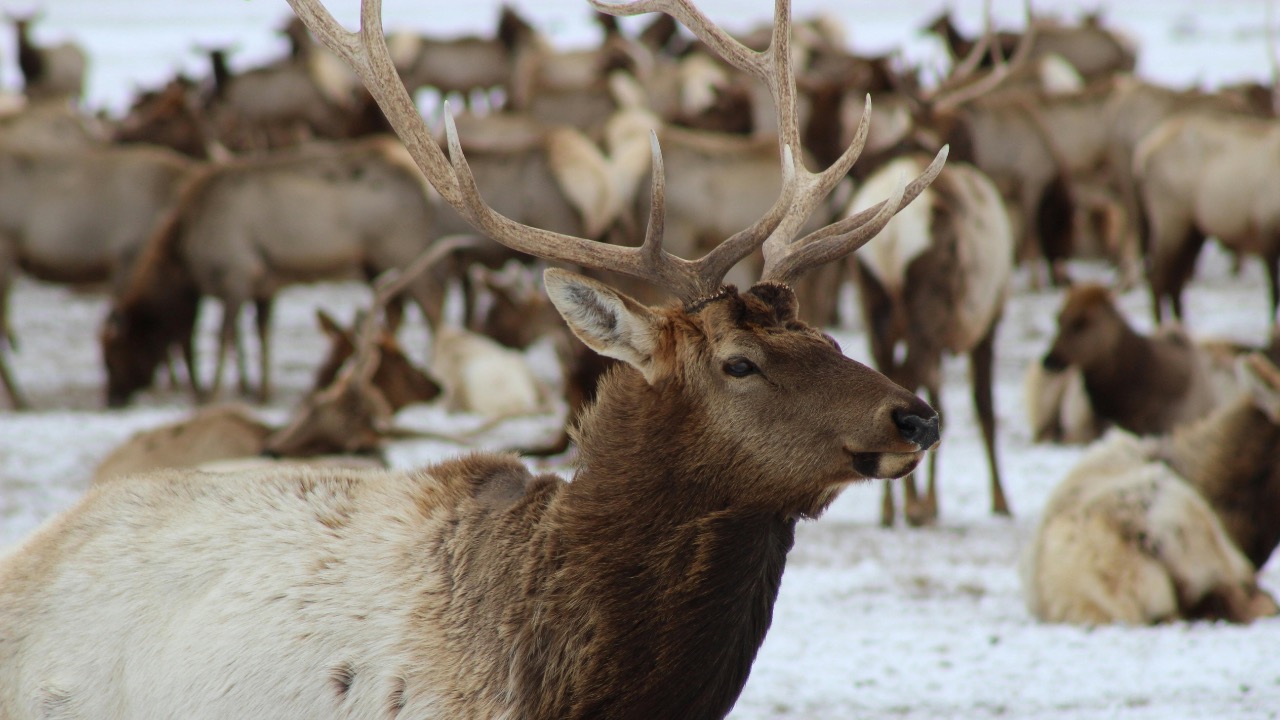
The Truth Behind the 300-Inch Bull Elk Myth
Among elk hunters, few numbers carry as much mystique as “300 inches.” The phrase has become shorthand for a dream bull, a benchmark that supposedly separates an ordinary rack from a once-in-a-lifetime trophy. Yet when hunters on the mountain or in online forums start arguing over what a 300-inch bull elk actually looks like, the certainty behind that number quickly falls apart.
The truth behind the 300-inch bull elk myth is more complicated than a single score. Age, habitat, genetics, and even camera angles all twist perception, while official scoring systems quietly follow their own strict math. Learning how real antler measurements work, and how often 300-class bulls truly appear, helps explain why this number inspires so much debate and so many tall tales.
Why “300 inches” became elk hunting’s magic number
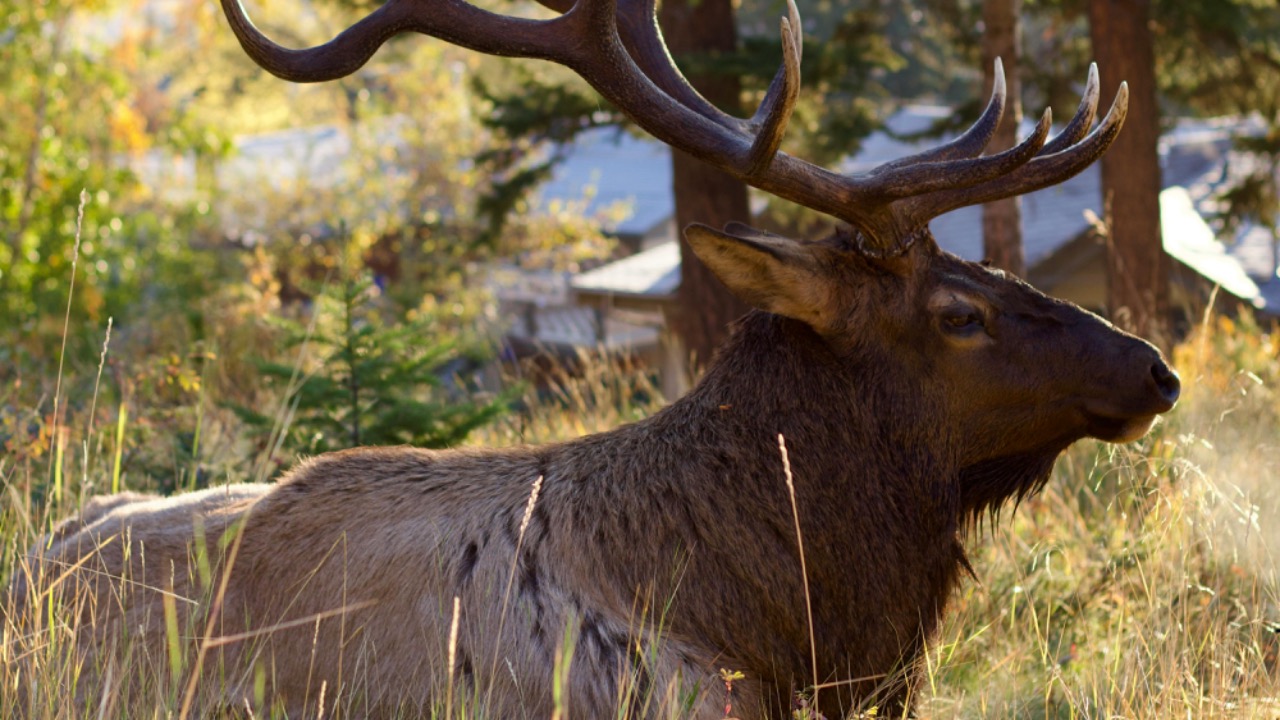
In modern elk culture, 300 inches has evolved into a psychological line in the sand. Outfitters advertise “300-class” opportunities, message boards light up whenever someone posts a photo that “has to be 300,” and hunters trade campfire stories about the one that got away that was “easily over 300.” On one Rokslide thread, a user named Geewhiz vents that it “drives me nutz” when people toss around “300” the way whitetail hunters casually claim 150-inch bucks. The number has become social currency, a way to signal both success and status, whether or not the rack has ever seen a tape.
Guides help cement that benchmark by using 300 inches as a baseline for maturity and trophy quality. One archery resource describes how a 5-year-old bull is often a “300 to 320-type bull most of the time,” acknowledging that such animals can run a little bigger or smaller but still fit the general pattern. That kind of rule-of-thumb guidance is useful for setting expectations, yet it also encourages hunters to equate 300 inches with “finally a real bull,” even though many mature elk never reach that figure and some younger animals in top genetics do.
What a true 300-inch bull actually looks like
On the ground, a legitimate 300-inch bull is built from dozens of small measurements that add up, not from a single impressive feature. Detailed field-judging advice emphasizes how Beam length, tine length, and mass work together. Younger bulls often have shorter beams, slender Tines, and a leaner Body, which can trick observers into overestimating score because the antlers look big on a smaller frame. Mature bulls that truly push past 300 inches usually carry longer main beams, solid thirds and fourths, and heavier tops that hold that mass all the way to the tips.
Social media has turned those nuances into quick-hit tutorials. One video from Aug shows @hornscoreofficial Analyzing Bull elk between 300 and 320, pointing out how bulls in that band “start to get a little more shape and character” in their antlers. Another Aug clip opens with the line “Let’s take a quick study at different sizes and size catagories of bulls,” as the creator says “Let’s” break down under-300 animals first before moving up. Together, these reels show how subtle the jump from a high-200s bull to a low-300s bull can be, and why a casual glance from 400 yards rarely produces an accurate score.
Why hunters misjudge 300-class bulls so often
Even seasoned elk hunters struggle to call scores accurately in the field, which fuels the 300-inch myth. A Rokslide member with the tag WKR shares photos of three different bulls that all taped within a few inches of each other, then notes how “Pictures are deceiving” and how “300” is a lot of antler. Angles, zoom, and background all distort antler proportions, and in person adrenaline does the same thing. Another field-judging discussion quotes a user named When it comes down to seconds to shoot or not shoot, one hunter focuses on the fifth points and uses a simple rule about 10-inch “5ths” to decide if a bull is likely big enough, a method that shows how many hunters rely on quick heuristics rather than full-score math.
The human brain also tends to round up. A Colorado over-the-counter guide points out that it is “a rare bull that gets to live long enough to be a six point and 300 class bulls are nearly non-existent” on heavily hunted public land. Yet camp talk from those same units is full of supposed 300s that were passed or missed. A separate analysis of Western trends notes that, over a decade, trophy bull sizes in Wyoming stayed in the low to mid 300 range on average, while a typical public land bull is closer to 300 or a bit less. The gap between how often hunters say “300” and how often those animals actually appear on a tape is large, and that disconnect keeps the myth alive.
How rare are 300-inch bulls compared with true giants?
Part of the mystique around 300 inches comes from how it sits between everyday bulls and the handful of giants that dominate record books. One Eastern elk story describes a “huge old bull” that would likely score over 450, a number that shows just how far the top end can stretch beyond the 300 benchmark. At the extreme, NFL veteran Shawn Pattersontagged a massive typical bull that climbed near the top of the Boone and Crockett Club record books, illustrating that world-class elk live in an entirely different scoring universe from the average “good bull.” Those rare monsters make 300-inch animals feel more common by comparison, even though both are exceptional in most herds.
Outfitters’ marketing adds another layer of distortion. One Colorado operation admits that Opportunities do exist for bigger bulls that are 300 inches or larger, but stresses that such animals cannot be represented as an average and that “Maybe” the next client will be the lucky one. In contrast, a premium private-land destination advertises that Mature bulls scoring 300 or higher are commonly seen, crediting limited pressure and strong age structure. Another big-game forecast simply states that “Bulls scoring 300+ are common” in one standout area. The contrast between these settings shows that a 300-inch bull may be nearly mythical on over-the-counter public land, yet almost expected on tightly managed ranches.
Separating measurement myth from reality in the field
At the core of the 300-inch myth is a simple fact: scoring big game is harder than it looks. Even outside elk, hunters and landowners frequently misjudge weights and dimensions. A report on the largest wild hog in Arkansas notes that Thereare a few reasons people misreport animal size, starting with simple error and the difficulty of guesstimating weight or length. The same dynamic plays out with antlers, whether on elk or on a MULE DEER with HUGE 5 x 2 NON TYPICAL ANTLERS that look enormous in a listing photo but reveal more modest measurements when a tape hits each tine. Visual impression routinely outpaces the numbers.
Some elk hunters try to fight that bias with structured methods. Detailed field-judging guides explain how to read clean brow tines that nearly reach the nose, solid “thirds” that do not look miniature, and heavy tops as signals of a bull that will measure between 280 and 310 inches, advice that appears alongside the earlier focus on How To Field judge elk. Social media tutorials, along with cross-promotion on platforms like Discovered pages and How To Field feeds, try to coach hunters into more accurate on-the-hoof estimates. Yet even with those tools, forum voices like Some outfitters still admit that the bull they used as a “realistic expectation” in their booth ended up taping lower than clients assumed, a reminder that tape measures rarely match campfire guesses.

Leo’s been tracking game and tuning gear since he could stand upright. He’s sharp, driven, and knows how to keep things running when conditions turn.