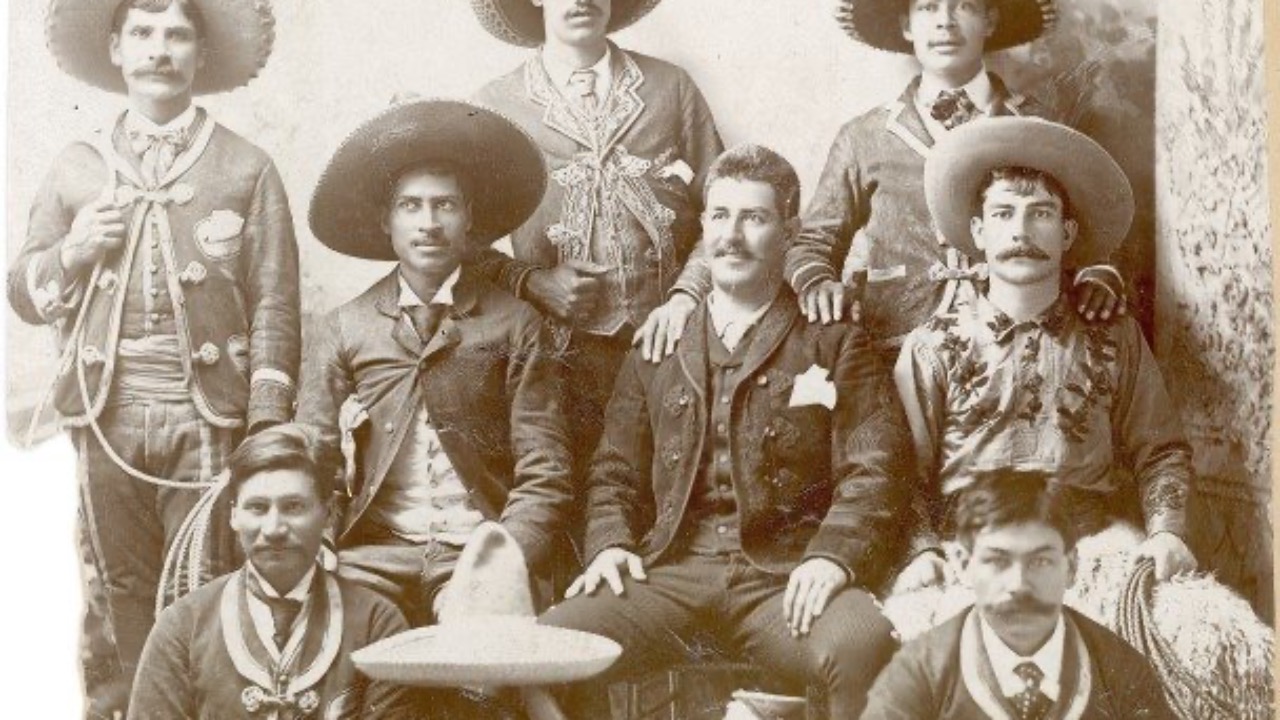
The Wild West had its own drug culture: how cocaine entered everyday frontier life
The frontier has always been sold as a place of hard work, clean air, and simple vices like whiskey and cards. The reality was messier. Alongside six-shooters and saddle soap, the Wild West had a thriving drug culture built on tonics, patent medicines, and powders that slipped cocaine into everyday life.
By the late nineteenth century, cow towns, mining camps, and railroad depots were plugged into the same national supply chain that was flooding the United States with coca-based products. Out on the edge of settlement, where doctors were scarce and regulations almost nonexistent, those products were used to dull pain, push through fatigue, and chase a different kind of frontier high.
The frontier meets a “miracle” stimulant
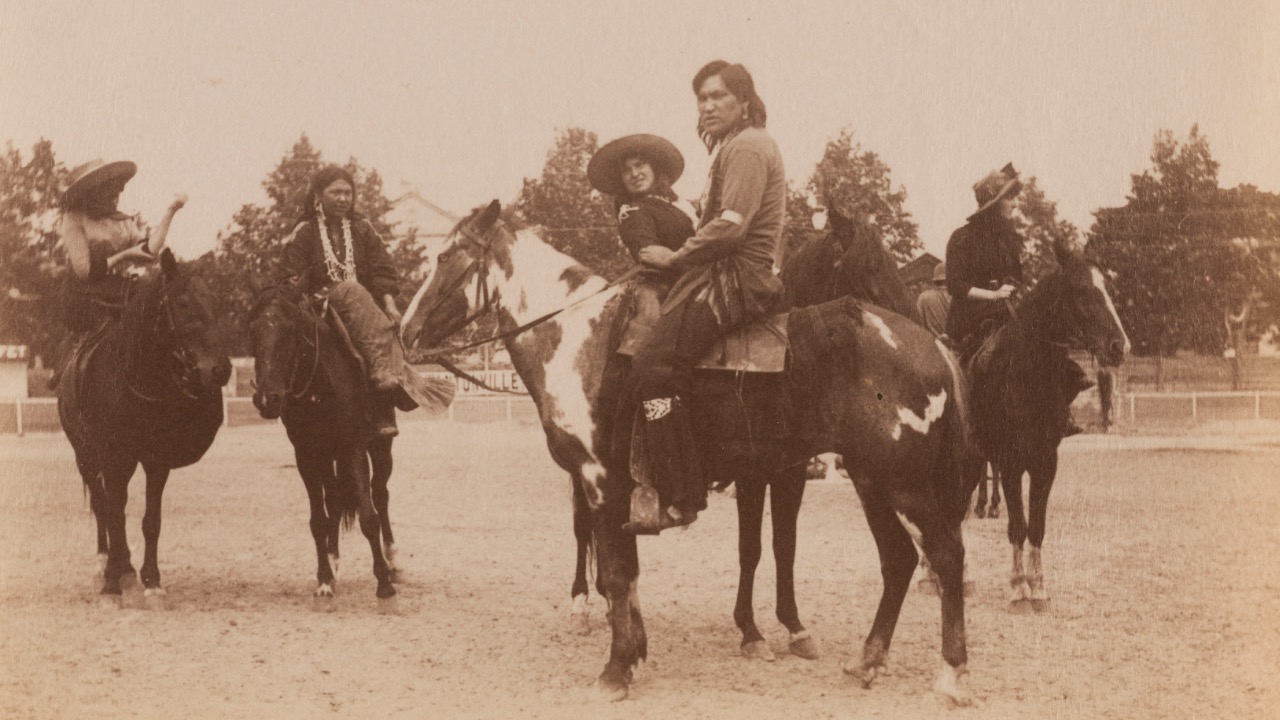
By the time the cattle trails and mining camps were in full swing, cocaine had already been pulled out of the coca leaf and turned into a purified stimulant that Western doctors and druggists treated as a medical breakthrough. In the late nineteenth century it entered Western culture as both a treatment and a recreational substance, praised for its ability to fight exhaustion, lift mood, and blunt pain in ways opium could not, which made it attractive to anyone working long days in rough country who needed to stay on their feet rather than be sedated. Medical writers of the era described cocaine as useful for depression, fatigue, and pain relief, and that reputation followed the drug into every frontier town that had a drugstore or mail-order catalog tied into the national market, a pattern reflected in modern summaries of its spread into Western practice.
Once purified cocaine became widely available, it was quickly folded into a long list of medical applications, from local anesthesia to tonics meant to sharpen the mind, and it was marketed as a kind of “pickaxe in a bottle” for overworked bodies. Later accounts describe how this purified form was treated as The Miracle Drug, a label that helps explain why frontier doctors and pharmacists felt comfortable handing it out to ranch hands, prospectors, and homesteaders who complained of nerves, sleeplessness, or the kind of chronic pain that came with swinging an axe or a pick all day.
From coca fields to cow towns
The pipeline that carried cocaine into the Old West started far from the plains and deserts, in South American coca fields and European laboratories, but it ended in the glass bottles and paper packets stacked behind counters in frontier drugstores. Historical overviews trace how cocaine, once isolated from the coca plant, moved rapidly into American commerce in the late nineteenth century, with physicians and pharmacists across America embracing it as a modern tool for surgery and pain control, a shift that set the stage for its arrival in remote settlements as part of the broader medical kit carried westward, a pattern summarized in work that follows cocaine’s history in America.
By 1885, the U.S. firm Parke, Davis was aggressively marketing coca-based products that could be shipped or hauled anywhere a freight wagon could go. The company sold coca-leaf cigarettes and cheroots, a cocaine inhalant, and a sweet fortified drink called Coca Cordial, along with cocaine crystals and even a “cocaine mixture” that doctors could inject to make a surgical site numb to pain, all of which could easily find their way into a saddlebag or a general store order. These products, described in modern histories of the History of cocaine, meant that a rancher in Wyoming or a miner in Colorado could access the same stimulant-laced remedies as a patient in New York, often with even fewer questions asked.
Snake oil, coca tonics, and the patent-medicine boom
On the frontier, the line between medicine and merchandise was thin, and cocaine slipped right into that gap. Traveling salesmen and small-town druggists pushed patent medicines that promised to cure everything from “woman’s illnesses” to asthma, stomach ailments, and vague inflammations, and in the late 1800s cocaine was one of the ingredients mixed into these bottled cures. Modern law-enforcement histories note that in the late 1800’s cocaine was used for treatment of morphine addiction and was included in patent medicines pitched for asthma, stomach problems, “woman’s illnesses,” and inflammations, a list that matches the kind of complaints you would hear in any hard-used frontier camp, as summarized in a training document that opens with the phrase In the late 1800’s.
Frontier newspapers and later regional histories describe how these concoctions were sold alongside other cure-alls that mixed mustard oil, pine oil, oil of wintergreen, camphor, or even petroleum, all wrapped in labels that promised vigor and relief. One account of Old West panaceas notes that “Others had mustard oil, pine oil, oil of wintergreen, camphor, or petroleum,” and that it is safe to assume most of them did very little beyond delivering a jolt or a buzz, a pattern that fits with the way cocaine-laced tonics were marketed in the same era, as described in a Montana-focused look at Others that filled the patent-medicine shelves.
Respectable science, rough-country uses
What made cocaine especially powerful in the Old West was that it arrived with the blessing of serious science, not just carnival barkers. In Europe, Sigmund Freud became one of its most famous early champions, writing enthusiastically about its ability to treat psychological and nervous conditions and describing it as non-addictive and harmless, a view that carried weight with physicians who read his work. Modern summaries of his early fascination note that Freud promoted cocaine for various psychological and nervous conditions and treated it as non-addictive and harmless, a stance that filtered into medical circles and helped normalize its use far from Vienna, including in frontier practices that took their cues from respected European Freud.
Medical journals in the English-speaking world were just as bullish. One 1876 article in The Lancet went so far as to say cocaine “has been advocated by one or another in almost every disease,” and some writers called it the veritable “Elixir of Life,” language that would have sounded persuasive to any doctor trying to keep patients alive in a remote settlement with limited tools. Later reviews of this period point out that cocaine remained popular in the medical literature until 1884, and that its popularity was such that coca-based products even received honors like a Vatican gold medal, details that show how mainstream the drug had become in professional circles before its risks were widely recognized, as laid out in a historical analysis that quotes The Lancet.
Everyday ailments, extraordinary ingredients
For people living on the edge of settlement, cocaine was not advertised as a party drug, it was sold as a practical fix for the aches and anxieties of daily life. Social-history surveys of drug use in the nineteenth century note that cocaine became popular beginning in the 1880s and was used to treat fatigue, depression, and a long list of minor complaints, including menstrual cramps and toothache pain, the sort of nagging problems that could make ranch work or homesteading miserable if left untreated. These accounts describe how Cocaine was folded into syrups, lozenges, and powders that promised to keep people going, which made it especially appealing in places where a day off for rest was a luxury.
Doctors and druggists also leaned on cocaine as a way to manage more serious pain without knocking a patient out completely. Medical histories point out that in the nineteenth century cocaine was widely used in medicine for local anesthesia, especially in eye and nose procedures, and that its role in surgery and pain control was significant before safer alternatives emerged. One modern review notes that in the nineteenth century cocaine became a common tool in medicine and that its medical use declined only after its addictive potential and side effects became impossible to ignore, a trajectory traced in a Blog from Sanctuary Lodge that looks back at its medical role.
Frontier surgery and the first numbing powder
Out where a doctor might have to set a broken leg on a kitchen table or pull a bullet in a bunkhouse, cocaine’s numbing power was a game changer. Historical medical research traces the first descriptions of cocaine use by humans back to the memoirs of the Florentine traveler Amerigo Ve, who observed coca chewing in South America, and then follows the story forward to the discovery of its value for local anesthesia in surgery. Later summaries emphasize that the drug’s importance to the development of local anesthesia was enormous, since it allowed surgeons to work on sensitive areas without putting patients under general anesthesia, a breakthrough that would have been especially valuable in rough frontier conditions, as outlined in a medical Abstract on its role in anesthesia.
By the late nineteenth century, cocaine was being used in eye surgery and other delicate procedures, and that knowledge filtered into the bags of country doctors who rode circuit between ranches and mining camps. Modern overviews of cocaine’s medical history note that it had a long and varied history in medicine, including use as a local anesthetic before safer synthetic drugs replaced it, and that its ability to numb tissue without putting the whole body to sleep made it particularly attractive in settings where full anesthesia was risky or impossible. Those same overviews, which track cocaine’s medical uses and eventual decline, underline how deeply it was woven into everyday medical practice before its dangers were widely recognized, a point made clearly in a Cocaine in medicine history.
Coca wine, soda fountains, and the saloon next door
Not all frontier cocaine use came from brown bottles behind the pharmacy counter. Some of it was poured straight from the bar or the soda fountain. In Europe, a French chemist combined wine and cocaine to produce a coca wine that became fashionable among elites, and later accounts note that this mixture was popular enough to attract high-profile drinkers, including Ulysses S. Grant and two popes, before temperance laws and changing tastes pushed producers to tweak their recipes. One modern history of cocaine’s legal status in America points out that as cocaine’s medicinal fame spread, its recreational effects did not go unnoticed, and that a French chemist’s coca wine helped popularize the combination of alcohol and stimulant.
In the United States, that same coca-wine idea morphed into something even more familiar to frontier towns: soda-fountain drinks. Exhibits on the history of poisons and tonics note that the coca wine Vin Mariani was eventually overtaken in popularity by Coca-Cola, a non-alcoholic drink created by Pharmacist John Pemberton that originally contained cocaine before the recipe was changed. These accounts explain how Vin Mariani and early Coca-Cola were marketed as healthful refreshments, and how the latter’s formula was later altered so that the coca component no longer delivered cocaine, a shift described in an exhibit that notes how Vin Mariani was overtaken by Coca-Cola in popularity.
From quiet habit to national “drug terror”
For a while, cocaine’s role in frontier life stayed mostly under the radar, folded into tonics, wines, and powders that people treated as ordinary remedies. Over time, though, the side effects and addictions piled up, and what had been sold as a miracle stimulant started to look like a public-health problem. Historical newspaper collections describe a “Cocaine Crisis” between 1898 and 1915, with headlines warning of a growing drug problem and stories detailing arrests, overdoses, and social fallout, a shift captured in a guide that labels this period the Cocaine Crisis and collects related coverage.
Those same archives include pieces with titles like “The Drug Terror” from papers such as The Sun in New York, which framed cocaine as a threat to public order and safety rather than a handy pick-me-up. A research guide to these clippings points readers to items like “The Drug Terror,” published in The Sun in New York, and notes that these stories can be used for further research in the Chronicling America collection, underscoring how quickly the narrative flipped from miracle cure to menace once the social costs became impossible to ignore, a shift summarized in an Introduction to those historic newspapers.

Asher was raised in the woods and on the water, and it shows. He’s logged more hours behind a rifle and under a heavy pack than most men twice his age.