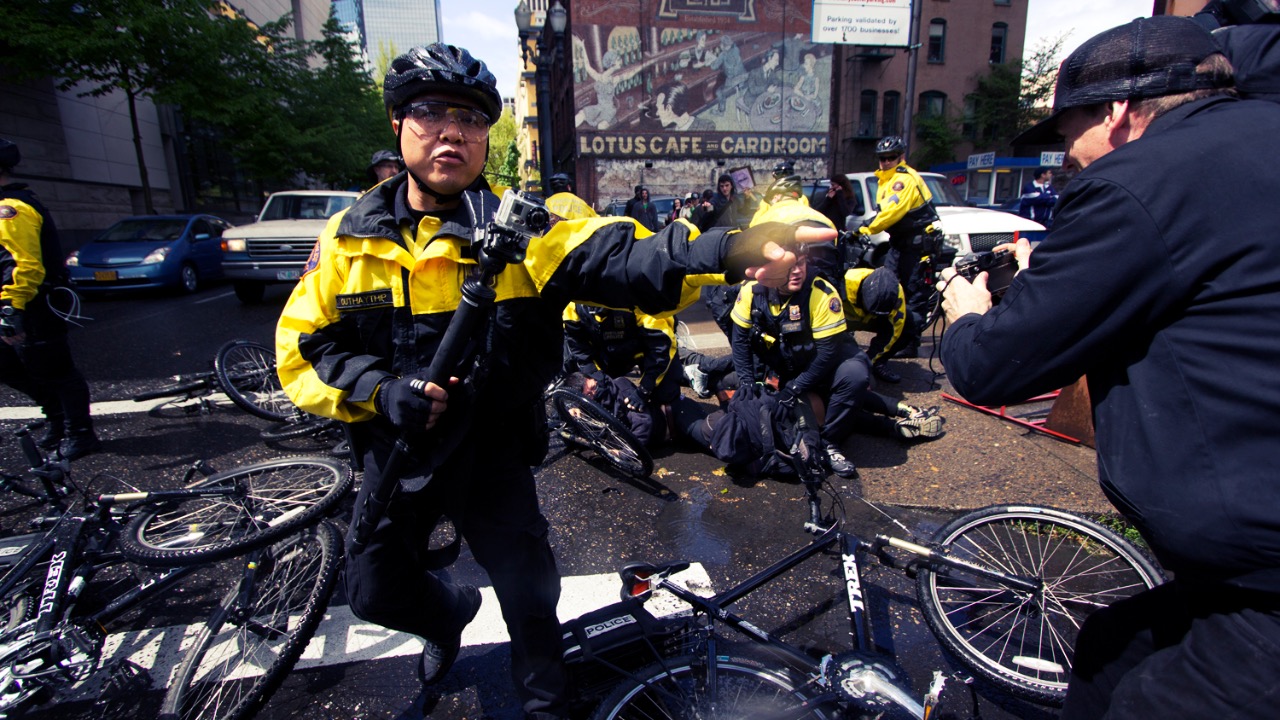
Thousands across US join ‘no school, no work, no shopping’ May Day protest and economic blackout
On Friday, May 1 marked a significant moment in the labor movement as people marked International Workers’ Day with something different. You might have noticed the shift in your own routine — streets a bit emptier in spots, schools adjusting schedules, or local spots seeing fewer customers. Under the May Day Strong coalition, organizers pulled together labor unions, immigrant rights groups, student activists, and community networks for more than 3,000 events. The focus stayed on an economic blackout: skip school, skip work, skip shopping. The goal was straightforward — show how ordinary decisions by workers, students, and families can slow the usual flow and draw attention to what matters most right now.
The Scale of Yesterday’s Actions
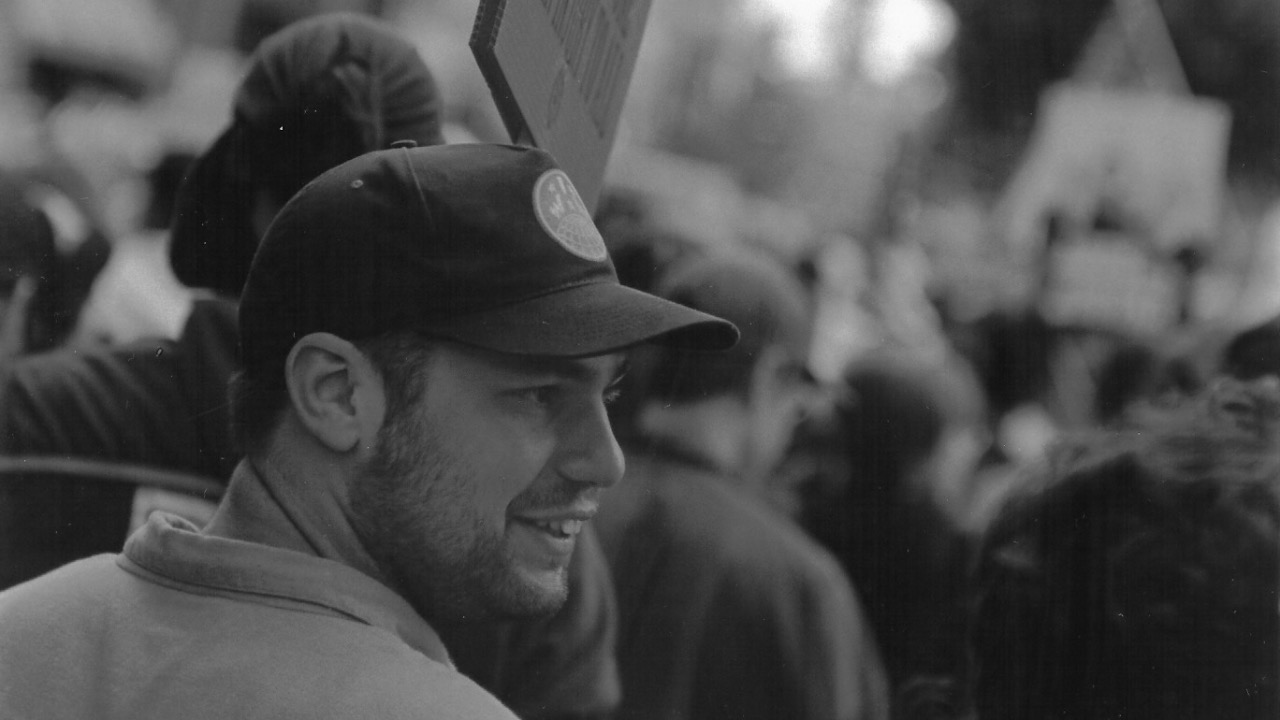
People turned out in numbers that caught attention from coast to coast. Estimates put participation in the thousands, with some cities seeing hundreds gather at once for marches or rallies. You saw reports of high-school walkouts in places like Kansas City and Purdue University students leaving class in West Lafayette. In Raleigh, thousands of teachers and protesters filled the streets in one of the larger labor actions the state has recorded lately. The coalition’s reach stretched into smaller towns too, from Arizona to Michigan, proving the effort went beyond big urban centers.
This level of involvement did not happen overnight. Groups built on earlier actions, including the January protests in Minnesota that brought tens of thousands into the streets. Yesterday’s events felt like the next step in that pattern, with people choosing to step back from daily routines to make a point together.
Roots of the Economic Blackout Call
The idea of pausing work, school, and spending came straight from organizers who wanted to highlight everyday power. You heard the slogan repeated in planning materials and on the ground: no school, no work, no shopping. The approach drew from past examples, like the 2006 immigration rights actions and more recent local shutdowns. Instead of business as usual, participants aimed to show what happens when large groups opt out for a day.
Coalition members described it as a way to flex collective strength without relying on traditional strike rules that limit options. With contracts for some unions set to expire together in 2028, the day served as practice for bigger coordination down the line. The message landed clearly — your labor, your time, and your dollars keep things moving, and choosing differently sends a signal.
How Students Joined the Effort
Students played a visible role from the start. Groups like the Sunrise Movement reported expectations of over 100,000 walking out of class. In several districts, including Raleigh, schools adjusted or closed because so many planned to participate. You probably saw photos of young people marching alongside teachers and parents, carrying signs that linked classroom concerns to larger economic pressures.
The youth turnout connected school life directly to the day’s themes. Organizers encouraged teach-ins and discussions about affordability, institutional priorities, and what fairness looks like for the next generation. This involvement gave the protests energy and reminded everyone that the issues reach into daily routines for families everywhere.
Scenes from City Streets and Beyond
In New York, demonstrators gathered outside the Stock Exchange, with some chaining themselves to entrances in protest. Chicago saw rallies at Union Park followed by marches toward an Amazon warehouse. Los Angeles filled MacArthur Park with one of the largest turnouts, drawing from over 120 endorsing organizations. Washington, D.C., had intersection shutdowns, while Portland activists occupied a hotel lobby and San Francisco protesters targeted the airport.
Smaller actions popped up too — blocking a data center entrance in Memphis or holding block parties in neighborhoods. The variety showed how the same call adapted to local realities, whether in urban downtowns or quieter spots. Each gathering kept the focus on shared goals rather than isolated complaints.
Unions Stepping Up in the Movement
Labor groups formed a backbone for many events. The Chicago Teachers Union worked with schools to allow educational activities around the day. Service Employees International Union members joined airport workers and others in calling for better wages and conditions. United Auto Workers leadership added support, tying the actions to longer-term contract strategies.
These unions brought experience and structure to the coalition. You noticed their presence in planning and on the ground, where speakers linked immediate demands to ongoing fights over healthcare, education funding, and corporate influence. Their involvement lent weight to the economic blackout and helped connect workplace concerns to the wider protest.
Immigrant Communities at the Forefront
Immigrant rights organizers took leading roles in several cities, especially Los Angeles. Recent enforcement actions had already mobilized networks there, and yesterday’s events built on that momentum. Coordinators like those from the Coalition for Humane Immigrant Rights emphasized dignity, family unity, and citizenship paths as core issues. Protesters in Chicago and elsewhere echoed calls to end certain immigration policies and redirect resources toward community needs.
The participation reflected real stakes for many families. You heard stories of separation and daily uncertainty woven into speeches and chants. This focus kept the day grounded in lived experiences while tying them to the broader push against billionaire-driven priorities.
Core Issues Driving the Protests
Organizers laid out clear priorities: tax the rich to support families, end reliance on private immigration enforcement, and expand democratic access instead of corporate control. The “workers over billionaires” framing appeared everywhere, from official materials to handmade signs. Demands also covered funding for education and healthcare rather than conflict, plus protections for voting rights.
These points connected affordability struggles to policy choices. Participants argued that current directions favor concentrated wealth over everyday stability. The economic blackout served as a practical demonstration — by withholding participation for one day, people illustrated the leverage they hold when acting together.
Looking at the Day’s Outcomes and Next Steps
By evening, the actions had drawn national coverage and sparked conversations about worker power in the current climate. Arrests occurred in spots like New York and Minneapolis, but most gatherings stayed peaceful and focused. Organizers viewed the turnout as proof that coordination works and momentum is building toward future efforts, including potential larger-scale actions in coming years.
The day left participants and observers thinking about what comes next. Text lines for updates stayed active, and local groups planned follow-ups. For many, the real measure will show in sustained engagement rather than a single event. Yesterday offered a snapshot of what happens when people decide, together, to shift the rhythm for a while.

Asher was raised in the woods and on the water, and it shows. He’s logged more hours behind a rifle and under a heavy pack than most men twice his age.