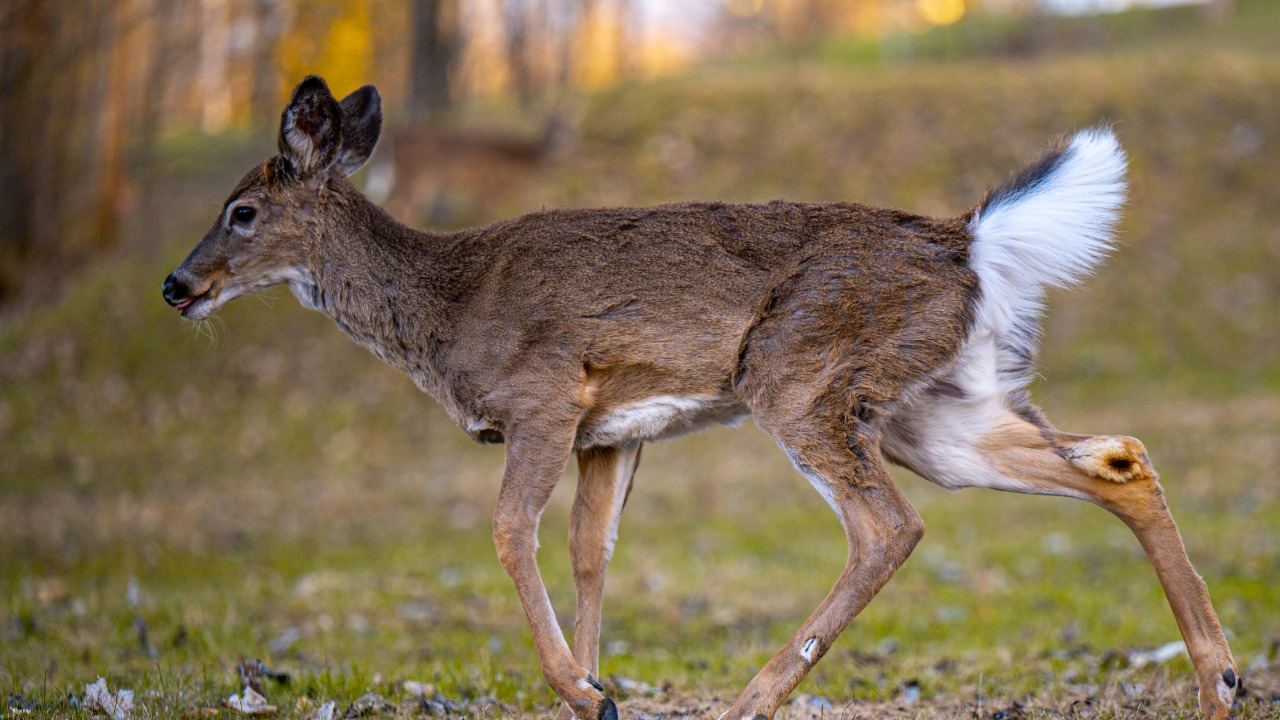
Tips for Tracking Game Without Spooking It
Staying on a game animal’s trail without sending it sprinting for the next county is less about gadgets and more about discipline. The same principles show up whether I am following a whitetail through real timber or easing in on a digital herd in a modern hunting sim: control your distance, manage your noise and scent, and read every sign the animal leaves behind. The following tactics focus on closing that gap efficiently while keeping the animal calm enough that you get a clean, ethical shot instead of a glimpse of a white tail disappearing over the ridge.
Understand how game detects you
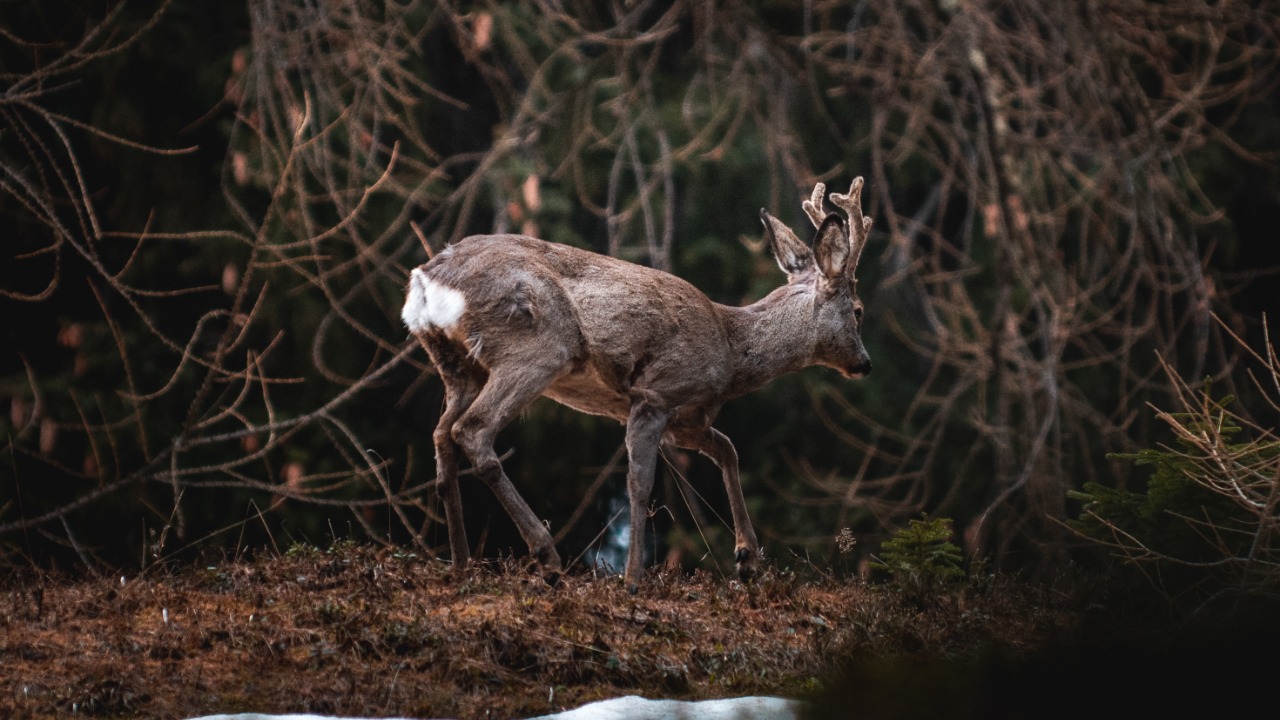
To track effectively without spooking animals, I start by assuming their senses are better than mine. Many game species can smell a person from hundreds of yards away, which is why experienced hunters treat scent control as a necessity rather than a luxury. Detailed guidance on camouflage and odor management stresses that Animals, particularly game species, have highly developed senses of smell, so I plan every approach with the wind in my face or at least quartering toward me, never blowing from my back toward the animal’s likely position.
Vision and hearing matter just as much. Humane trapping advice aimed at releasing wildlife safely emphasizes a simple rule that carries over directly to tracking: Do Not Make Sudden Movements or loud noises, because Loud Noises Animals hear and see are usually the most significant indicators they use to decide whether they are safe. When I combine that with the knowledge that Sound knowledge lets Indigenous hunters like the Waorani locate prey by subtle rustles and calls, it is clear that every snapped twig or clink of metal is a warning flare I cannot afford to send up.
Control distance, speed and body language
Once I respect how sharp those senses are, the next step is managing how close I get and how fast I move. In one popular hunting sim, a veteran player named Jul advises newcomers to keep roughly 200 meters away from animals at first, and to stay crouched as they close in, a reminder that proximity alone can trigger alarm even in a virtual herd. That same thread has another user, Try, stressing that You should avoid charging straight at animals and instead angle in slowly, which mirrors what works in real woods.
Wildlife ethics guidance on low-impact travel reinforces that idea by urging people to Minimize Noise and Disturbance, Keep voices low, and Move quietly without sudden gestures. In practice, that means I shorten my stride, place my feet carefully on the outer edge then roll inward, and pause often to scan ahead. A short instructional clip on deer hunting shows a veteran explaining how, in a “day 11” coyote encounter, he slowed his steps and used cover to avoid skylining himself, a lesson captured in a video on Feb that underlines how deliberate movement keeps animals calm.
Use wind, terrain and camouflage to stay invisible
Even perfect footwork will not save a stalk if the wind betrays me. Traditional stalking advice tells hunters to Pay close attention to air currents at all times, because Hiding human odor is only possible if the breeze is not carrying it straight to the animal. Photography guidance aimed at stalking wary subjects makes the same point, noting that good Days for wildlife work are those with steady Wind that lets you approach without your scent swirling unpredictably.
Camouflage and background matter as well. Detailed clothing advice for hunters points out that Animals see movement and contrast more than specific colors, so I prioritize breaking up my outline with layered patterns and using terrain features like folds in the ground, brush lines, and tree trunks to mask my approach. When I am scouting or monitoring a trail, I lean on technology that respects those same principles, such as low-glow and no-glow trail cameras; manufacturers describe no-glow infrared as the “gold standard” for minimal disturbance because This is the gold standard for minimal disturbance and Animals are extremely unlikely to detect the camera, making it perfect for tracking skittish game without educating them.
Move like a predator, not a tourist
Silent movement is a skill in its own right, and I treat it like any other technique that needs practice. A survival guide built around a popular open-world game describes The Art of Silent Movement Moving as something that goes beyond simply walking slowly, stressing that You must understand how your gear rattles, how surfaces amplify sound, and how to time your steps with ambient noise. That virtual lesson mirrors what I do in the field: cinch down loose buckles, tape anything that might clink, and use wind gusts or distant traffic as cover for my own footfalls.
Wildlife-friendly travel guidelines echo that approach, urging people to Minimize Noise and Disturbance by keeping conversations low and avoiding abrupt gestures that catch an animal’s eye. A short checklist for tactical tracking drills suggests that before following anyone, I should quickly assess their distance and speed, then factor in the surroundings and how they affect sound, a process captured in a video that notes, “for me when I am about to track someone I quickly assess their distance,” in a clip titled Use This Tracking Checklist To Prepare Your Aiming. I apply the same mental checklist to deer or elk: how fast they are moving, what the ground cover is like, and how much noise I can afford to make without tipping them off.
Read sign and build a tracking story
Once an animal is moving away, the only way to stay on it without pushing it harder is to read the ground and vegetation like a narrative. A detailed how-to on following wounded game urges hunters to How to Track and Trail Game Like a Pro by starting at the shot site and mentally reconstructing what happened, then using each drop of blood or scuffed leaf to Pay Attention and Build a Story. Broader fieldcraft primers define Tracking as following tracks and other signs along a route, a process that demands patience and attention to detail rather than speed.
Specialists in small game emphasize that Tracking small animals is a matter of patience, dedication and a willingness to learn from each trail, which is exactly the mindset I bring to larger game as well. In the digital world, players echo the same lessons: one discussion of tracking in a hunting sim advises marking the last place you heard a herd, then moving cautiously toward that point while listening for the next Aug audio cue of them spooking. That habit of constantly updating the “story” in my head, based on both sign and sound, keeps me from blundering ahead and bumping the animal out of the country.
Borrow smart habits from hunting games
Modern hunting games have quietly become training grounds for real-world tracking discipline, because they punish sloppy approaches in ways that feel familiar to anyone who has watched a real deer flag and vanish. In one thread about not scaring animals, a player posting in Jun describes how, after roughly 1,100 hours, they stopped sprinting after every fleeing herd and instead learned to circle ahead, a lesson that earned them a Comments Section badge as a Top 1% Commenter. Another discussion on tracking without scaring animals points out that a caller would have helped, and that it is challenging to hunt specific animals without one, advice tucked into an Apr thread in the Comments Section that mirrors how real hunters use grunt tubes or cow calls to slow or turn animals without charging them.
Players also warn against chasing tracks blindly. One veteran in a Dec discussion of tracking in a popular sim notes that Sometimes it is not worth the chase, and that if the blood trail dries up, it can be smarter to back off and wait for animals to reappear rather than stomping all over the map. Another player outlines a simple system after the shot: Shoot the animal, watch which way it runs, then Click the map to mark that direction and check for a red indicator, a digital stand-in for mentally flagging landmarks in real terrain so you do not wander off line.
Plan the track before you take the shot
The easiest way to avoid spooking an animal during the track is to make sure it does not go far in the first place. Blood-trailing experts stress that Accurate shot placement is essential for creating a clear blood trail, and that Smears on brush or streaks down both sides of a trail can tell you whether the animal is bleeding heavily or lightly. Another guide to following wounded deer advises that After the shot, the first thing you should do is pause, gather yourself, and replay the moment in your head before charging in, because that cooldown period helps you avoid bumping a mortally hit animal that has not yet bedded.
Even when there is little visible blood, the same source notes that While there may not be a significant or trackable trail, there will usually be at least some sign on the ground or vegetation, which means the deer is likely nearby if you move carefully. Detailed breakdowns of blood color add another layer: Bright red or pinkish blood with bubbles suggests a lung hit, while very dark red points to liver, each implying different waiting times before you start tracking. In game communities, players echo that patience, with one Jun thread reminding newcomers that Animals move from one need zone to another and that if the tracks say “very old,” it may be smarter to reset and ambush them at a fresh zone instead of doggedly following a stale trail.
Think like a game designer, not just a hunter
There is one more unlikely teacher that has shaped how I track without spooking animals: platform games. Design analysis of classic side-scrollers notes that Any of the greats can be studied to see what makes a good platform game, and that the first essential element is control, followed by clear, fair rules that the player can learn. That mindset translates surprisingly well to the field: I want complete control over my own movement and noise, and I want to understand the “rules” the animals are playing by, from wind and thermals to feeding and bedding patterns, so I am not surprised when they react.
When I look at both real and virtual tracking through that lens, the goal is not to out-muscle the animal but to operate within a system I understand. Online discussions about tracking in hunting sims, such as a Dec thread where a player says they walk normally but stay just inside alert distance to avoid spooking herds, or an Apr exchange about waiting for animals to stop at a need zone before closing in, all reflect the same principle. Once I internalize those patterns, I can move with confidence, knowing when to press and when to hold back, and that is ultimately what lets me stay on a track without ever tipping the animal off that I am there.

Leo’s been tracking game and tuning gear since he could stand upright. He’s sharp, driven, and knows how to keep things running when conditions turn.