Top 10 Firearms That Changed Shooters’ Opinions After Real Use
Many shooters form strong opinions about certain firearms long before they ever touch them, shaped by internet lore, marketing, or a few loud voices at the range. The most interesting stories often begin when those expectations collide with real trigger time and a gun proves far better, or far worse, than its reputation. This list looks at ten firearms that repeatedly change minds once people move from armchair commentary to live fire and careful evaluation.
What happened
Across training classes, competitions, and hunting camps, a consistent pattern emerges. Certain guns inspire fierce online debate, yet when shooters finally run them through drills, clean them, and live with them for a while, their views shift. Sometimes a “plastic toy” turns out to be a workhorse. In other cases, a revered classic shows its age under modern standards for ergonomics, reliability, or optics mounting.
To understand those reversals, it helps to look at specific models and the real-world experiences that surround them.
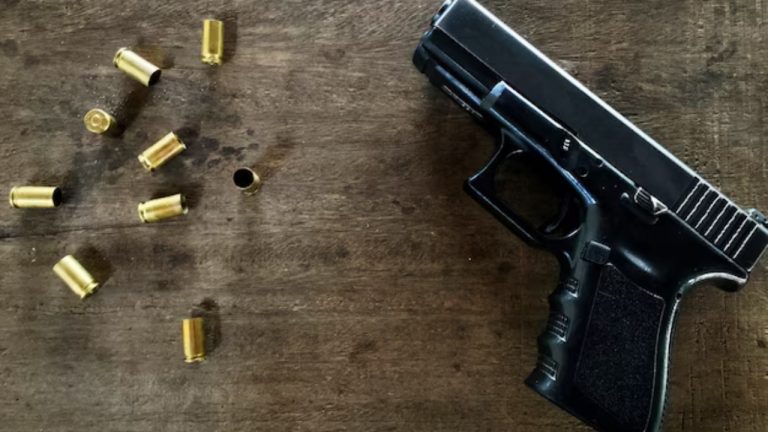
1. Glock 19: From “ugly brick” to trusted baseline
Before shooting a Glock 19, many critics focus on the blocky slide, the polymer frame, and the lack of an external safety. Once on the range, the conversation usually changes. The compact size, 15 round capacity, and simple controls make it easy to run in timed drills. The low bore axis helps keep the sights flat in fast strings, and the gun tolerates sweat, dust, and neglected cleaning far better than most first-time owners expect.
For many shooters, the Glock 19 becomes the pistol they measure everything else against. They may still dislike the grip angle or trigger feel, but the reliability and parts support often override that initial skepticism.
2. SIG Sauer P320: From controversy to modular workhorse
The SIG Sauer P320 drew early attention for striker-fired performance and its removable fire control unit, then attracted criticism after high-profile drop safety concerns. Shooters who actually run current production pistols in classes often come away with a different view. The modular chassis system lets them swap grip sizes and slide lengths without buying a new serialized frame, which matters to those who carry one gun for duty, another for concealed carry, and a third for competition.
Extended use also highlights the P320’s accuracy with duty ammunition and its smooth recoil impulse in full-size and compact formats. While some still avoid it because of past reports, others find that hands-on experience with updated models changes their risk calculus.
3. Smith & Wesson M&P 2.0: From “Glock clone” to ergonomic favorite
On paper, the M&P 2.0 line looks like another polymer striker pistol in a crowded market. Shooters who dismiss it as a copy often revise their opinion after a few hundred rounds. The aggressive grip texture locks into the hand during rapid fire, and the improved trigger over the original M&P makes precise shots at distance more intuitive.
In agency trials and civilian classes, many shooters with smaller hands prefer the M&P 2.0’s grip shape to the Glock’s, especially with the interchangeable backstraps. That real fit difference, combined with strong reliability records, often turns skeptics into advocates.
4. CZ Shadow 2: From “too heavy” to competition cheat code
The all-steel CZ Shadow 2 looks large and heavy compared with polymer duty pistols. New shooters sometimes assume that weight is a drawback. After shooting one in USPSA or IPSC style matches, the extra mass at the muzzle and the low slide profile reveal their advantage. The gun tracks softly, transitions between targets feel controlled, and the single action trigger after the first shot supports precise hits at speed.
Many who considered it a niche gamer gun come away convinced that, for pure performance, the Shadow 2 sets a benchmark for 9 mm pistols.
5. AR-15 carbines: From “overhyped” to practical, modular tools
The AR-15 platform carries more baggage than almost any firearm, from political controversy to internet arguments about caliber and gas systems. Shooters who finally build or buy a basic 5.56 carbine and take a structured carbine course often discover why the design persists. The inline recoil system, adjustable stock, and modern free-float handguards make the rifle controllable and adaptable for users of different sizes.
Real use also highlights the value of quality optics. When shooters pair a reliable carbine with a clear low power variable optic or red dot, they see how much faster and more accurate they can be compared with iron sights alone. Modern precision scopes and compact LPVOs have pushed many skeptics toward a more favorable view of the platform’s capability.
6. AK-pattern rifles: From crude stereotype to rugged performer
AK rifles are often caricatured as inaccurate and roughly built. When shooters spend time with a well-made 7.62×39 or 5.45×39 variant, they usually find a different story. The long stroke gas piston, generous clearances, and simple controls keep the gun running in mud, sand, and cold conditions that can choke more tightly fitted designs.
While rack-grade AKs rarely match the precision of a free-floated AR, practical accuracy at 100 to 300 yards often surprises those who wrote the platform off. The main opinion shift comes from seeing how quickly a shooter can deliver effective hits on torso-size targets with minimal maintenance.
7. Ruger 10/22: From “just a .22” to essential trainer
Some new gun owners treat the Ruger 10/22 as a youth rifle or a disposable plinker. After a season of practice, many realize it is one of the most useful training tools available. The mild recoil and inexpensive .22 LR ammunition let shooters work on sight alignment, trigger control, and positional shooting without fatigue.
With quality magazines and a decent optic, a 10/22 can run through drills that mirror centerfire carbine work. That experience often changes opinions about rimfire rifles from toys to serious skill builders.
8. Precision bolt rifles: From “too specialized” to long-range gateway
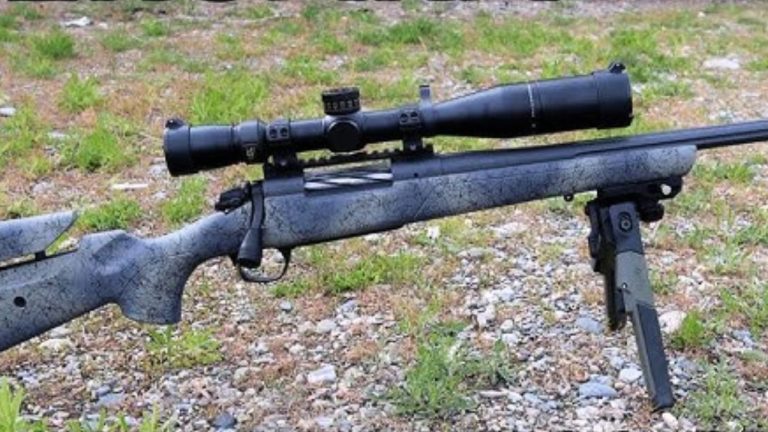
Heavy barreled bolt guns with chassis stocks and large optics can look intimidating or overly specialized. Shooters who attend a long-range class with a 6.5 Creedmoor or .308 Winchester precision rifle usually leave with a different mindset. The combination of a stable stock, match barrel, and tracking optic allows them to connect with steel targets at 600 yards and beyond, sometimes for the first time.
Working through wind calls, dialing elevation, and spotting impacts gives a tangible sense of ballistic reality that paper targets at 25 yards never provide. Many who thought precision rifles were only for elite competitors discover that, with guidance and the right equipment, long-range shooting is accessible and addictive.
9. Pistol caliber carbines: From “range toys” to practical performers
Pistol caliber carbines (PCCs) in 9 mm or .40 S&W often get dismissed as gimmicks. In action shooting sports and home defense drills, their strengths become clearer. The longer sight radius or red dot on a braced platform, combined with mild recoil, lets shooters deliver fast, accurate strings on close targets.
While PCCs lack the terminal performance and reach of rifle calibers, they share ammunition and sometimes magazines with duty pistols, simplify suppressor use, and work well for indoor training facilities that restrict rifle cartridges. Those practical benefits frequently win over skeptics who thought PCCs had no serious role.
10. Micro-compact carry pistols: From “too small to shoot” to daily companions
Guns like the SIG P365, Springfield Hellcat, and Glock 43X initially struck many as compromises that would be hard to shoot well. Range sessions often change that perception. Modern micro-compacts use improved grip geometry, textured frames, and refined triggers to keep recoil manageable despite short barrels and light weight.
When shooters run timed drills from concealment, they see that these pistols can deliver serviceable performance out to 15 or even 25 yards while still fitting into pockets or slim holsters. The blend of capacity and concealability has moved many carriers from larger compact pistols to these smaller formats.

Leo’s been tracking game and tuning gear since he could stand upright. He’s sharp, driven, and knows how to keep things running when conditions turn.