Big Oil Accused of Profiteering as Gas Prices Soar Amid Trump’s War with Iran, Sanders Says
Gas prices are spiking across the United States and Europe as the conflict between Donald Trump and Iran disrupts global energy flows. Senator Bernie Sanders is seizing on the surge to accuse major oil companies of profiteering, arguing that Big Oil is cashing in on war-driven turmoil while working families absorb the shock at the pump.
The clash over who benefits from this crisis is quickly becoming a central fight in U.S. politics, as lawmakers weigh export limits, windfall taxes, and tighter scrutiny of corporate pricing just as global supply chains and airlines absorb heavy losses.
What happened
The latest escalation in Trump’s confrontation with Iran has tightened oil markets and rattled fuel supply lines. Tanker traffic through key routes has slowed, insurance costs on Middle East shipments have climbed, and traders are bidding up crude futures in anticipation of further disruption. Those moves have filtered directly into retail fuel prices, with U.S. drivers reporting rapid increases on regular gasoline and diesel.
In Washington, Representative Ro Khanna responded by introducing legislation that would temporarily halt U.S. gasoline exports linked to the Iran conflict. Framed as an emergency step to keep domestic supplies at home, the proposal is aimed at preventing refiners from chasing higher prices overseas while American drivers face higher costs at local stations. Khanna’s bill has already become a rallying point for progressives who argue that the United States should prioritize domestic consumers over foreign buyers during wartime volatility, a position that aligns with Sanders’s call for aggressive action against what he describes as war profiteering by the energy sector. The measure, detailed in reporting on gasoline exports, would also give regulators more insight into how refiners allocate supply between domestic and foreign markets.
The shock is not confined to the United States. In the United Kingdom, supermarket fuel retailer Asda has warned customers about temporary petrol shortages linked directly to Trump’s war with Iran. The company cited supply disruptions and higher wholesale prices that are squeezing margins and complicating deliveries to forecourts. Asda’s alert, carried in coverage of petrol shortages, underscores how quickly geopolitical tension in the Gulf can ripple into everyday life for drivers filling up in Leeds, London, or Glasgow.
Global aviation has been hit even harder. Airlines that rely on long-haul routes over or near Iranian airspace are facing higher fuel bills, longer detours, and weaker demand as passengers grow nervous about flying through a conflict zone. Industry data shows that carriers have already racked up about 50 billion dollars in war-related losses, the biggest financial hit to the sector since the Covid era. Those figures, reported in an analysis of airline losses, capture both the direct cost of fuel and the broader drag on travel demand.
The political temperature is rising alongside these economic strains. Sanders has argued that while airlines, retailers, and consumers are absorbing heavy blows, major oil and gas producers are reporting strong profits and returning cash to shareholders. He has framed the conflict as a test of whether Washington will allow energy giants to benefit from a war that is driving up prices for everyone else, or whether Congress will intervene with windfall taxes, price controls, or export restrictions.
Why it matters
The clash over Big Oil’s wartime gains matters for three overlapping reasons: the direct hit to household budgets, the broader damage to the real economy, and the political fight over who should pay for a conflict-driven shock.
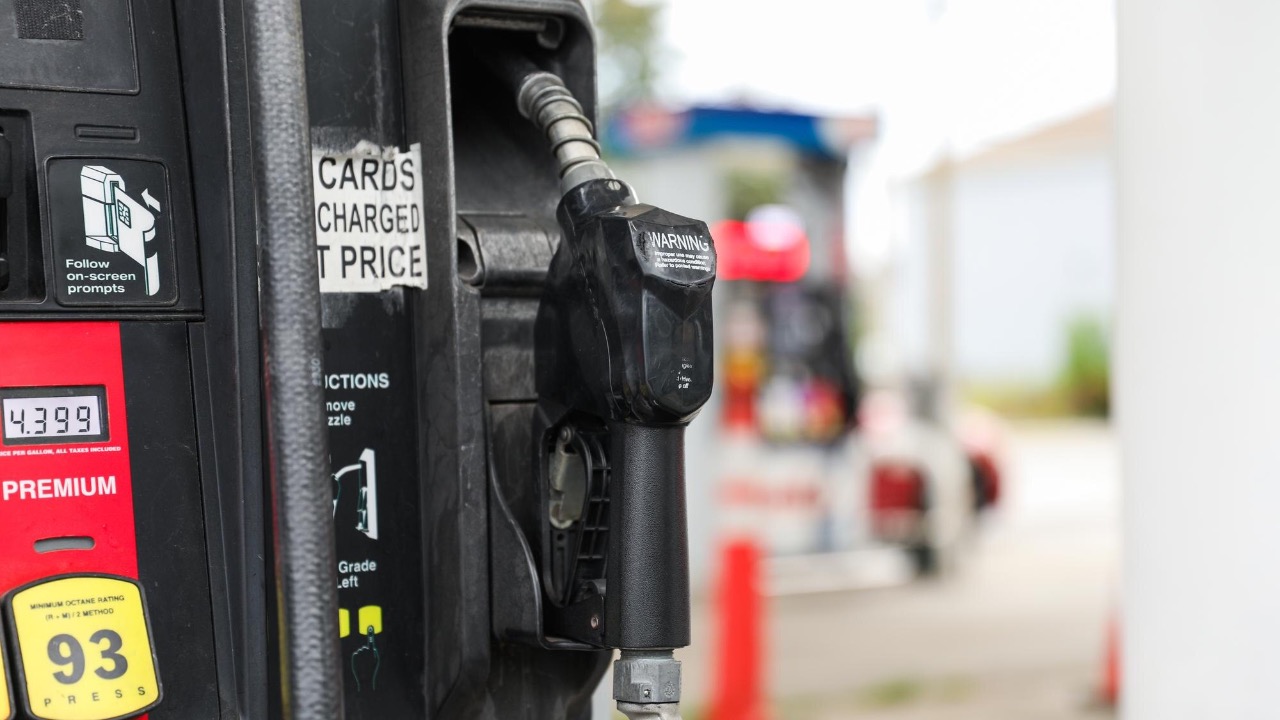
For consumers, the most immediate pain is at the pump. Higher gasoline and diesel prices feed directly into the cost of commuting, food, and basic goods. A nurse driving a 2020 Toyota RAV4 to a night shift, or a delivery driver in a Ford Transit van, cannot easily cut back on fuel use. When prices jump by tens of cents per gallon in a few weeks, the effect on disposable income is immediate and visible. Sanders’s charge of profiteering resonates in that context because drivers see the price on the signboard every day while reading about strong quarterly results from major oil companies.
The economic fallout extends far beyond individual motorists. Airlines facing 50 billion dollars in war-related losses are likely to pass some of that burden to passengers through higher fares and reduced routes. That can hit tourism-dependent regions, from Mediterranean beach towns to U.S. hub cities, and may lead to job cuts among ground staff, cabin crews, and airport workers. The aviation sector’s struggles, documented in the reporting on war-driven losses, illustrate how a conflict that benefits oil producers can simultaneously devastate fuel-intensive industries.
Retail fuel disruptions in the United Kingdom offer another window into the stakes. Asda’s warning about temporary shortages and soaring wholesale costs suggests that some forecourts may face dry pumps or sharp price moves that hit lower income drivers first. Supermarket chains often act as price leaders in the UK fuel market, so if they are forced to raise prices or ration supply, independent stations typically follow. That dynamic amplifies the sense that ordinary households are bearing the brunt of a geopolitical fight that they did not choose. The Asda warning shows how quickly a distant conflict can translate into queues and frustration at local petrol stations.
Politically, the debate over profiteering is colliding with questions about fairness and influence. Sanders and allied lawmakers argue that oil companies are using their market power to keep prices elevated even when short term supply disruptions could be managed with existing inventories and production capacity. They point to shareholder payouts, stock buybacks, and executive compensation as evidence that war gains are flowing to investors rather than consumers. Industry executives counter that they are responding to global market signals and that higher prices are needed to justify new investment in production, especially when political risk is rising.
The controversy is also feeding into a broader narrative about Trump’s circle and its relationship to energy markets. One viral rumor claimed that Barron Trump bought a major stake in a gas station chain just as prices began to climb. Fact checkers reviewing the Barron Trump rumor have not found verifiable evidence to support it and have flagged the story as unsubstantiated. Unverified based on available sources. Even so, the rumor’s spread reflects a deep public suspicion that politically connected figures could be positioned to benefit from war-driven price spikes, a suspicion that Sanders’s rhetoric about profiteering taps into.
At the policy level, Khanna’s bill to halt gasoline exports during the Iran conflict is a direct attempt to rebalance who gains and who loses. Supporters argue that keeping more fuel at home would relieve pressure on domestic prices and reduce the leverage of global traders. Critics warn that sudden export restrictions could disrupt long term contracts, anger allies that rely on U.S. supplies, and ultimately discourage investment in refining capacity. The export proposal has therefore become a test case for how far Congress is willing to go in reshaping the energy market during wartime.
What to watch next
The next phase of this story will be shaped by three main variables: the trajectory of the conflict with Iran, the policy response in Washington and European capitals, and the behavior of oil companies as profits and political pressure collide.
On the geopolitical front, any escalation that further disrupts tanker routes or threatens production facilities in the Gulf would likely push crude prices higher and deepen the sense of crisis at the pump. A de-escalation, by contrast, could ease insurance costs and shipping delays, which might allow fuel prices to drift lower even without major policy changes. Markets will watch closely for signals from Tehran, Washington, and regional powers about ceasefire talks, naval deployments, and sanctions enforcement.

Leo’s been tracking game and tuning gear since he could stand upright. He’s sharp, driven, and knows how to keep things running when conditions turn.