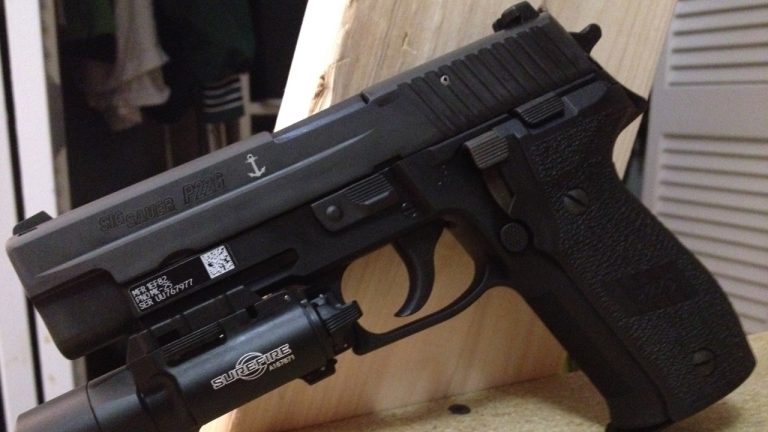
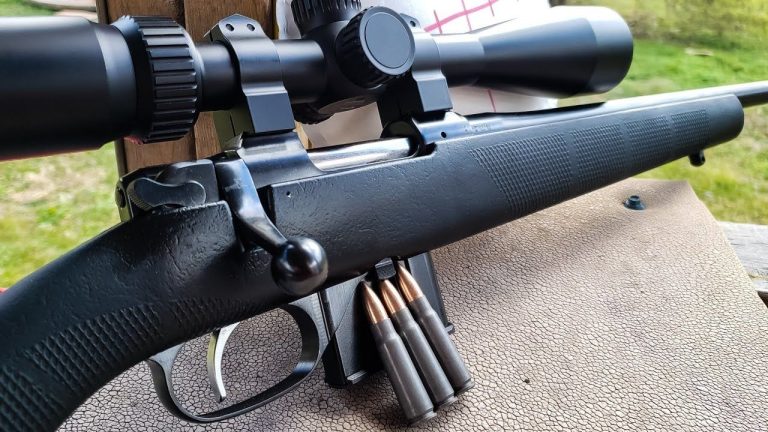
Top 10 Guns That Keep Working When Others Quit
When conditions turn muddy, frozen, or dust-choked, some firearms keep cycling long after others have seized up. Across war zones, remote ranches, and backcountry camps, a small group of designs has earned a reputation for working when maintenance, ammunition, and weather are all stacked against the shooter.
This look at ten of those workhorses focuses on why they stay reliable, how standards for judging durability have shifted, and how new materials and nonlethal options are reshaping expectations for guns that simply refuse to quit.
How the “never quit” list of hard‑running guns has evolved
For years, any conversation about reliability started with military service rifles that survived trench mud or desert sand. The AK‑47 family, for example, built its image on loose tolerances, generous clearances in the gas system, and a long‑stroke piston that keeps fouling away from the action. Those design choices let battered rifles keep feeding and firing in conditions that stop more finely fitted competitors.
At the other end of that spectrum sits the AR‑15 pattern, which has steadily shed its early reputation for sensitivity. Chrome‑lined or nitrided barrels, improved magazines, and better powders have turned modern AR‑15 carbines into highly dependable tools when shooters pair quality components with regular cleaning. Many current carbines also use mid‑length gas systems that soften recoil and reduce parts stress, further supporting long‑term reliability.
Handguns have seen a similar shift. Early polymer pistols like the Glock 17 set a standard for simple striker‑fired operation and corrosion‑resistant finishes. That template now extends to duty pistols from multiple makers, with nitrocarburized slides, cold hammer‑forged barrels, and drop‑in parts that keep guns running through high round counts. Double‑action revolvers, especially stainless .357 Magnum models, still occupy a special place on any “keeps working” list because they can fire from inside pockets, tolerate varied ammunition, and remain usable even if a case fails to extract.
Shotguns have also moved from wood and blued steel to synthetic stocks and weatherproof coatings. Pump‑action designs like the classic police and hunting models retain their appeal because they can cycle light target loads, heavy buckshot, and specialty shells with minimal fuss. Semi‑automatic shotguns that once struggled with reliability now use self‑regulating gas systems and enlarged loading ports, helping them perform in rain, sleet, and dust.
Ten guns that built reputations for reliability above all else
Any ranked list will spark arguments, but certain models appear again and again when armorers, guides, and instructors describe firearms that keep working after neglect or abuse. The AK‑47 and its 7.62×39 mm variants top that group, joined by newer 5.45×39 mm and 5.56×45 mm versions that retain the same forgiving operating system. Owners routinely report rifles that function after years of rough storage, thanks to chrome‑lined chambers and a long‑stroke piston that shrugs off carbon buildup.
Modern AR‑15 carbines deserve a place here as well, especially those built with quality bolts, properly staked gas keys, and anti‑tilt magazines. While the platform rewards cleaning more than the AK pattern, carbines from reputable makers have passed extended endurance tests with high round counts and minimal lubrication, reshaping perceptions of what a direct‑impingement design can handle.
On the handgun side, the Glock 17 and Glock 19 remain benchmarks. Their simple striker‑fired mechanism, generous feed ramp geometry, and polymer frames that resist corrosion have allowed these pistols to run through tens of thousands of rounds in training programs. Other polymer duty pistols follow the same recipe, yet the Glock family still stands out in long‑term durability reports.
Service‑grade 1911 pistols, especially those tuned for reliability rather than tight match accuracy, continue to earn trust from shooters who value a single‑action trigger and .45 ACP performance. When built with proper throating, modern magazines, and quality springs, these pistols handle varied bullet profiles while maintaining consistent cycling.
Revolvers like the Smith & Wesson K‑frame and Ruger GP100 line remain staples for those who want mechanical simplicity. Their fixed barrels, enclosed actions, and ability to fire .38 Special and .357 Magnum interchangeably make them appealing for rural defense and field carry. A revolver can still function with a damaged case or a dud round by simply indexing to the next chamber.
For shotguns, the Remington 870 and Mossberg 500 or 590 series have decades of service in law enforcement and hunting camps. Their twin action bars, steel receivers, and simple shell lifters make them relatively easy to keep running with basic maintenance. Semi‑automatic designs like the Benelli M4 and gas‑operated hunting shotguns have proven that self‑loaders can match pumps in reliability once they are tuned for a range of loads.
Rounding out the list, compact pistol‑caliber carbines and lever‑action rifles chambered in cartridges like .357 Magnum or .30‑30 Winchester have shown that straightforward manual actions can still shine where ammunition quality is inconsistent. Their tubular magazines and simple locking systems give them an advantage in remote areas where spare parts and gunsmiths are scarce.
Why rugged, always‑ready firearms matter more right now
Interest in firearms that keep working under stress has grown alongside concerns about natural disasters, civil emergencies, and personal safety in remote areas. In those situations, access to an armorer or a full cleaning kit is unlikely, so shooters gravitate toward designs that tolerate neglect, dirt, and improvised lubrication. Guides, ranchers, and rescue personnel often choose platforms with long track records in harsh climates because a malfunction can carry higher stakes far from support.
Urban and suburban shooters are also paying more attention to reliability as concealed carry and home defense ownership expands. Training programs increasingly emphasize function testing with defensive ammunition, low‑light shooting, and practice from compromised positions. Firearms that continue to run after exposure to sweat, lint, and minor impacts earn more trust in that environment than models that require frequent tuning.
Nonlethal and less‑lethal devices have entered the conversation as well. Shooters who want a defensive option without a traditional firearm are evaluating whether pepper‑firing launchers and similar tools can match the dependability of established guns. Several modern pepper pistols and launchers are built with polymer housings and simple valve systems that aim to deliver reliable function with minimal maintenance, as seen in current reviews of pepper guns that focus on consistency and ease of use.
Law enforcement and security teams continue to push manufacturers toward more durable designs. High‑volume training, exposure to vehicle interiors, and constant holster carry reveal weaknesses in finishes, springs, and small parts. When agencies track which models survive that environment with fewer parts replacements, those results influence both civilian and institutional buying decisions.
Economic factors also play a role. Shooters who can afford only one primary firearm often prioritize a model with a long service history and widely available spare parts. Platforms like the AK‑pattern rifle, AR‑15, Glock‑type pistols, and common pump shotguns benefit from broad aftermarket support, which makes it easier to replace worn components or upgrade critical pieces like extractors and magazine springs.
How durability trends and technology will shape the next generation of workhorse guns
The next wave of “keeps running” firearms is likely to combine proven operating systems with new materials and smarter maintenance tools. Corrosion‑resistant alloys, advanced nitriding processes, and improved polymer blends are already extending the life of barrels, slides, and small springs. As those technologies filter down from premium models to budget lines, more shooters will have access to guns that resist rust and wear even with minimal care.
Manufacturers are also refining gas systems and recoil assemblies to reduce parts stress. Adjustable gas blocks, self‑regulating pistons, and captured recoil springs help rifles and shotguns function with a wider range of ammunition. That flexibility matters for users who may have to run whatever cartridges they can find, rather than a single preferred load.
Digital tools are beginning to influence reliability as well. Round‑count tracking apps, smart optics that log firing data, and armorer software can highlight when certain parts typically fail. That information allows owners to replace springs, extractors, and other wear items before they cause stoppages, keeping otherwise reliable platforms performing at their best.

Leo’s been tracking game and tuning gear since he could stand upright. He’s sharp, driven, and knows how to keep things running when conditions turn.