Former Marine Dies While Attempting Record on 234-Mile Trail Honoring Friend
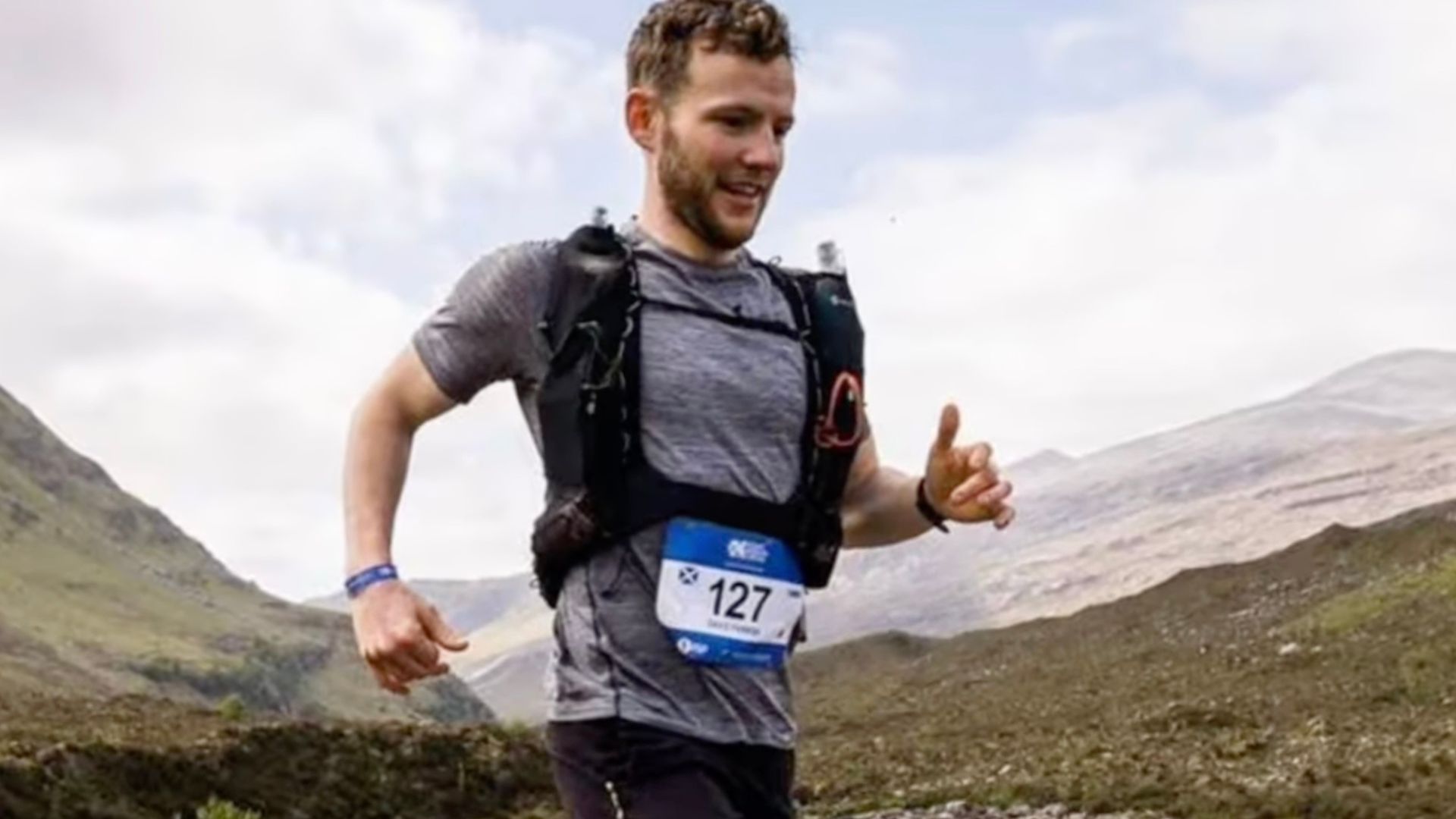
A former Royal Marine has died while attempting to set a record on the Cape Wrath Trail in the Scottish Highlands, a demanding 234-mile route known for its remote terrain and unpredictable conditions. The runner, David Parrish, was trying to complete the route faster than anyone before him while also raising money in memory of a close friend.
The attempt was meant to honor a fellow Royal Marine who had previously died in the mountains. Parrish’s run combined personal meaning with an extreme endurance challenge, and he was traveling solo and unsupported through one of the most isolated landscapes in the United Kingdom.
What the Cape Wrath Trail involves
The Cape Wrath Trail stretches roughly 234 miles from Fort William to Cape Wrath, cutting through rugged areas including Knoydart, Torridon, and remote Highland wilderness. It is not an official marked trail, which means navigation is often difficult and conditions can change quickly.
Even experienced hikers and ultra-runners treat it as one of the toughest long-distance routes in the UK. Weather can shift without warning, river crossings can become dangerous, and large sections have little or no phone signal. These conditions make record attempts especially risky, even for highly trained athletes.
His background and experience
Parrish was a former Royal Marine and an experienced ultra-distance runner who had competed in several major endurance events in recent years. He had built a reputation in the running community for taking on long, difficult routes and performing strongly in multi-day races.
Despite his relatively short time in competitive ultrarunning, he had already completed and won major events, showing a rapid rise in the sport. His experience in the military and endurance racing was part of what led him to attempt a challenge as demanding as the Cape Wrath Trail record.
The purpose behind the attempt
The record attempt was not just about speed or competition. Parrish was running in memory of a close friend and fellow Royal Marine who had died years earlier during a mountain run in Scotland. That loss had clearly stayed with him and shaped the motivation behind this effort.
He was also raising money for Scottish Mountain Rescue during the attempt, linking the challenge to a cause connected to mountain safety and rescue operations. Fundraising efforts tied to his run continued even after news of his death, with supporters contributing in his honor.
Discovery and official response
Parrish was found in a remote part of the Highlands after he stopped making progress during the run. Authorities later confirmed his death and stated that there were no suspicious circumstances involved.
Mountain rescue teams and officials involved in similar operations often note that even experienced outdoor athletes can face serious risk in isolated terrain like the Highlands. In this case, the remoteness of the location meant response teams had to operate in difficult conditions to reach the area.
Reaction from the running community
News of his death spread quickly through the ultra-running and outdoor communities, where he was known for both his achievements and his connection to mountain rescue causes. Fellow runners and organizations paid tribute to his commitment and the purpose behind his final challenge.
The situation has also reignited discussion around the risks of unsupported endurance attempts in remote environments. While these challenges attract experienced athletes, they also carry real danger due to terrain, weather, and isolation, even for those with strong training backgrounds.
Why this story resonated widely
Part of why this case gained attention is the combination of endurance sport, military background, and personal motivation tied to loss. It reflects a pattern seen in long-distance running where athletes often take on extreme challenges in memory of someone important to them.
It also highlights the thin line between athletic achievement and risk in ultra-endurance events. Even with preparation and experience, long solo efforts in remote landscapes can become unpredictable very quickly, which is why incidents like this are taken seriously across the outdoor community.

Leo’s been tracking game and tuning gear since he could stand upright. He’s sharp, driven, and knows how to keep things running when conditions turn.