
U.S. Accelerates Production of Precision Strike Missiles Under New Agreement
The United States is significantly ramping up production of next-generation long-range weapons following a new defense-industrial agreement aimed at increasing output of the Precision Strike Missile (PrSM), a key system in the U.S. Army’s deep-strike arsenal.
The agreement, announced between the Department of Defense and defense contractor Lockheed Martin, is designed to rapidly expand manufacturing capacity for the missile, which has recently seen operational use in active conflict environments.
Production Set to Quadruple
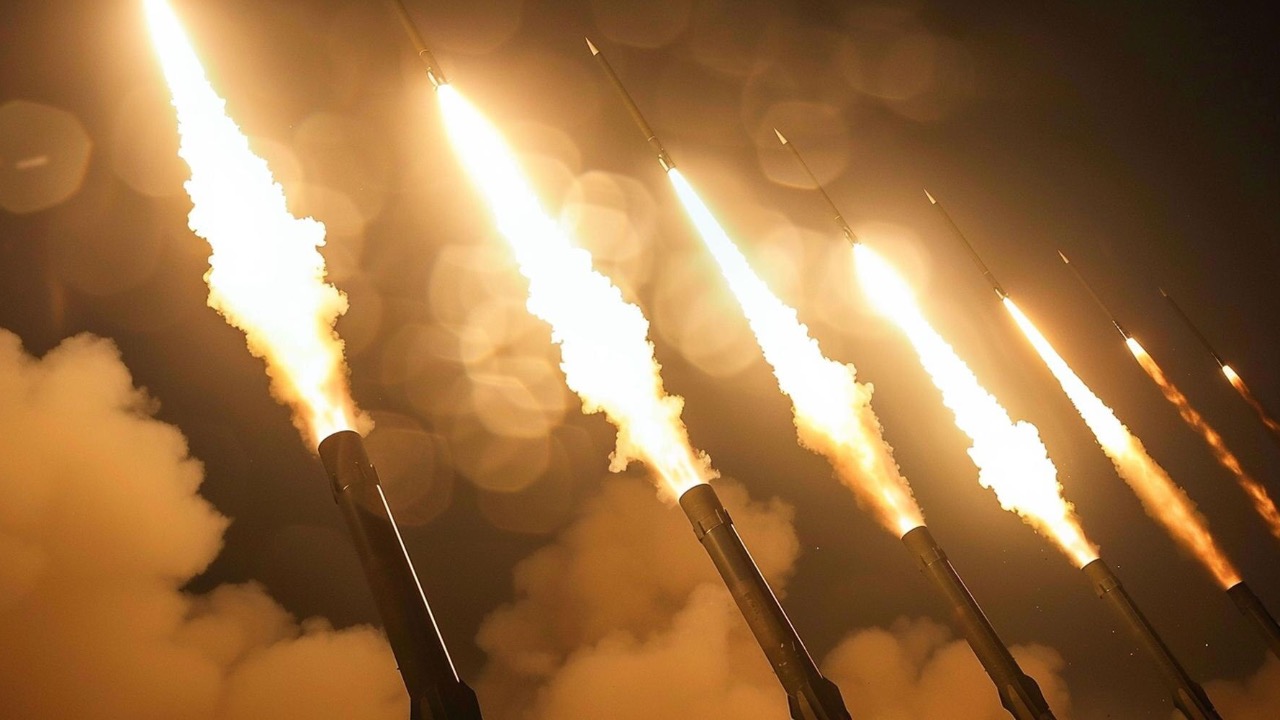
Under the new framework, production of the PrSM is expected to roughly quadruple over the coming years as companies invest in expanded facilities, upgraded tooling, and faster testing pipelines.
Officials say the deal is part of a broader effort to strengthen the U.S. defense industrial base after concerns that existing stockpiles of advanced munitions were not sufficient to support prolonged high-intensity operations.
The Precision Strike Missile is designed to be fired from systems like the M142 HIMARS and replaces older battlefield missile systems with longer range, higher accuracy, and improved flexibility for targeting enemy air defenses, command sites, and mobile forces.
Part of a Wider Defense Surge
The production expansion is not isolated to PrSM. The Pentagon has also signed multiple agreements with defense firms to increase output of other missile systems, including air defense interceptors and cruise missiles, as part of a broader shift toward “wartime footing” industrial capacity.
Defense officials say the goal is to ensure the military can replenish weapons faster than they are consumed in modern conflicts, where precision-guided munitions are used at high rates.
Combat Use Driving Demand
The push to accelerate production follows the missile’s reported use in recent operational deployments, which military analysts say has provided real-world validation of its capabilities while also exposing limits in existing inventory levels.
As a result, planners are prioritizing scalable production lines that can support sustained output rather than limited batch manufacturing.
Strategic Importance
The PrSM is viewed as a cornerstone of the Army’s long-range precision strike strategy, allowing ground forces to engage targets at significantly extended distances while reducing exposure to enemy systems.
Military analysts say increased production will also be critical for allied interoperability, as partner nations integrate similar systems into their own forces.
Bottom Line
The new agreement signals a major shift in U.S. defense production strategy—moving from limited procurement cycles to large-scale, sustained missile manufacturing designed for long-term global competition and potential high-intensity conflict scenarios.
As production expands, the Precision Strike Missile is expected to become one of the most widely fielded long-range strike systems in the U.S. arsenal.

Leo’s been tracking game and tuning gear since he could stand upright. He’s sharp, driven, and knows how to keep things running when conditions turn.