U.S. states that have outlawed living in an RV, even on private property
Across the United States, a growing number of states and local governments have decided that a recreational vehicle is not a lawful permanent home, even when it sits on land the occupant owns. These rules do not just affect vacationers. They increasingly shape the options available to retirees, working families, and people pushed out of conventional housing. As housing costs climb, the quiet spread of RV residency bans has turned into a high-stakes fight over property rights, safety standards, and what counts as a home.
What happened

Several states now have statewide rules that either directly prohibit full-time residence in an RV on private land or empower local governments to do so through building and zoning codes. In these jurisdictions, an RV is treated as a vehicle or a temporary shelter, not a dwelling, which means it cannot legally serve as a primary home except in licensed campgrounds or designated parks.
State-level restrictions show that some states have written explicit bans on full-time RV residency into their health or housing codes. Others rely on building standards that require any permanent dwelling to be built on a fixed foundation, connected to approved water and sewer systems, and inspected under residential construction codes. Under those rules, an RV parked in a backyard or on rural acreage fails basic criteria for a legal dwelling, no matter how carefully the owner maintains it.
One survey of state and local codes identified a cluster of states that treat living in an RV on private property as unlawful unless the vehicle sits in a permitted RV park. In these states, long-term occupancy is often capped at a set number of days per year or tied to a temporary use permit that expires after a short period. In some cases, the restriction is written so clearly that full-time RV living is described as a prohibited use on residential lots, which gives local code officers a straightforward basis for enforcement.
Beyond statewide rules, many counties and cities have adopted ordinances that function as de facto bans. Zoning maps may confine RVs to commercial or recreational districts, while residential zones require a single-family house or manufactured home on a permanent foundation. Where state law allows broad local control, these ordinances can be stricter than any statewide standard. Some jurisdictions go further and treat an occupied RV on private land as a public nuisance, which allows fines and abatement orders even when the RV sits far from neighbors.
Coverage of these policies notes that enforcement is not theoretical. Property owners in multiple states have received violation notices, daily fines, or orders to vacate RVs that sit on their own land. In some cases, code officers have cited health concerns related to sewage disposal and electrical hookups. In others, the stated rationale is neighborhood character or the prevention of informal encampments. A detailed breakdown of which states restrict RV on private property shows how common these rationales have become.
Legal experts quoted in coverage of these disputes point out that RV manufacturers design their products to meet vehicle and campground standards, not residential building codes. That distinction makes it easier for states to argue that an RV is not a safe permanent dwelling, even if it has modern insulation, plumbing, and electrical systems. In practice, the classification gives regulators wide discretion to remove RVs that function as homes.
Why it matters
The spread of RV residency bans collides directly with the search for lower-cost housing. As traditional home prices and rents rise faster than wages in much of the country, more people have turned to RVs and travel trailers as full-time housing. For some, this is a lifestyle choice that offers mobility and minimalism. For others, it is the only realistic way to avoid homelessness after being priced out of apartments or single-family homes.
State and local bans narrow that safety valve. When a jurisdiction prohibits full-time RV living on private land, it effectively tells property owners that they must either build a code-compliant house or remain without a legal dwelling. That can be an impossible demand for people who can afford a used 2012 Keystone Cougar or a 2008 Fleetwood Bounder but not the cost of site-built construction, impact fees, and permanent utility hookups.
These rules also raise sharp questions about property rights. Many owners assume that buying land gives them broad freedom to decide how to live on it. Zoning codes have always limited that freedom, but RV bans feel especially intrusive to people who see their rig as a self-contained home. When counties order owners to remove an RV that sits on ten rural acres, critics argue that regulators are prioritizing abstract planning goals over individual autonomy.
Supporters of the bans point to health and safety. RVs are not engineered for permanent occupancy in extreme climates, and ad hoc hookups to wells, septic systems, or generators can create fire risks and contamination. Local officials also worry that clusters of long-term RVs can evolve into informal campgrounds without adequate sanitation or emergency access. In their view, requiring permanent homes to meet residential codes protects both occupants and neighbors.
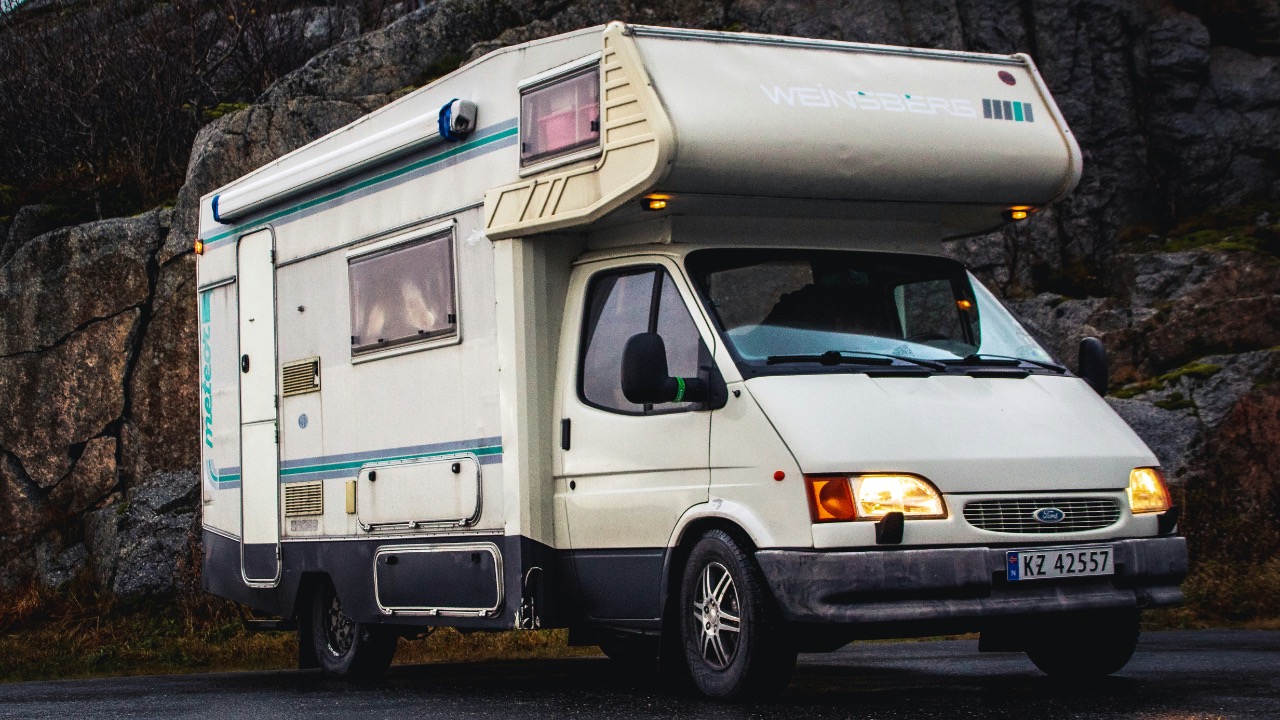
The tension between these positions shows up in specific enforcement stories. In one widely discussed case, a county cited a homeowner who installed a late-model fifth-wheel trailer on rural land and connected it to a permitted septic system. Officials argued that the land was zoned for a single-family dwelling on a foundation, not an RV, and issued fines until the owner moved out. Similar conflicts have appeared in suburban neighborhoods where residents park a Class C motorhome in a side yard and quietly live in it while saving for a house.
Automotive and travel outlets that cover RV culture have documented how these rules affect full-time travelers. Some note that a patchwork of local bans forces RV residents to move frequently or seek out the shrinking number of jurisdictions that tolerate long-term stays outside formal parks. A detailed review of RV living restrictions on private property describes how owners must navigate not only state statutes but also homeowner association covenants and neighborhood rules.
The stakes extend beyond individual households. RV bans intersect with broader debates over homelessness policy and land use. When cities restrict RV parking on streets and highways, and states prohibit full-time RV residence on private land, people who live in vehicles can be pushed into shelters, encampments, or outright illegality. Housing advocates argue that these policies criminalize poverty rather than addressing the underlying shortage of affordable units.
At the same time, local governments face pressure from residents who complain about visible vehicle encampments or deteriorating RVs parked on lots. Elected officials who respond with strict bans often frame them as quality-of-life measures. The result is a policy tug-of-war in which RV dwellers, neighbors, and regulators all claim to defend community standards, but define those standards in very different ways.
What to watch next
Several trends will shape how far RV residency bans spread and how strictly they are enforced. One key factor is the evolution of state housing policy. As legislatures search for ways to expand affordable options, some lawmakers have begun to look at tiny homes, accessory dwelling units, and manufactured housing. Whether RVs get folded into that conversation will determine if they remain outside the definition of legal housing or gain a limited foothold.
Legal challenges are another front to watch. Property owners cited for living in RVs have started to test arguments based on state constitutional protections for property rights and, in some cases, disability accommodations. Courts have not yet produced a clear nationwide standard, but a few rulings have signaled that blanket bans may face scrutiny when they displace people without offering realistic alternatives. Future cases could force states to draw more careful lines between health-based regulations and outright exclusion.

Leo’s been tracking game and tuning gear since he could stand upright. He’s sharp, driven, and knows how to keep things running when conditions turn.