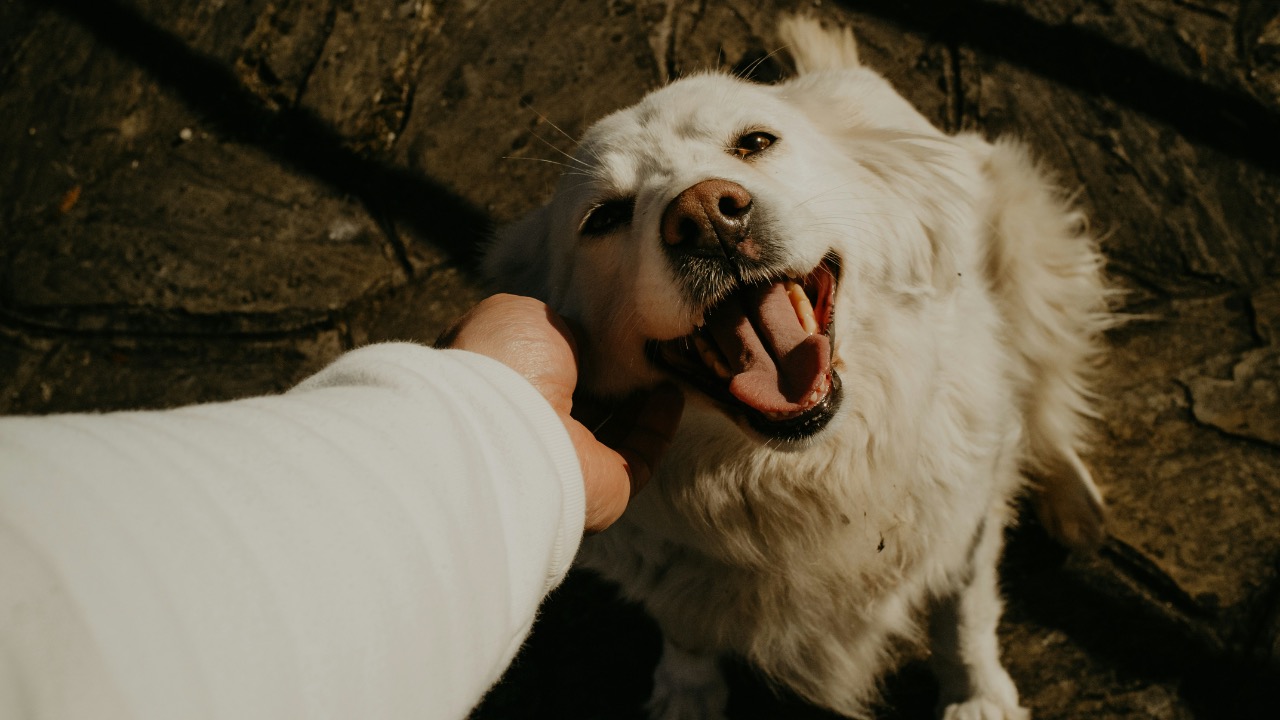
The science behind why some people can seemingly communicate with animals
Stories of people who seem to “speak” with animals, from viral dog videos to horse whisperers, tap into a deep curiosity about how far human–animal understanding can go. Behind those anecdotes is a growing body of research on animal cognition, body language, and human perception that helps explain why some individuals appear to have a special channel to other species.
Scientists are mapping how animals read human cues, how humans are wired to respond to animal faces and voices, and where genuine communication ends and projection begins. The picture that emerges is less mystical than folklore suggests but no less fascinating: a complex mix of learning, empathy, and biology that can sometimes look like mind reading.
What happened

The sense that a few people have an unusual bond with animals usually starts with small, repeatable interactions. A dog that obeys subtle hand signals, a horse that calms the moment a particular trainer steps into the stall, or a cat that appears to answer when a specific person speaks. Research on animal cognition shows that many species can interpret human behavior far more precisely than earlier generations of scientists assumed.
Dogs are the clearest example. Studies of canine cognition have found that dogs can distinguish a range of human words, but more importantly, they track tone of voice, gaze direction, and posture. Work summarized on whether animals can understand human language notes that dogs are especially skilled at following pointing gestures, reading facial expressions, and associating consistent sounds with actions, even if they do not process grammar the way humans do. That research on animal language suggests the apparent “conversation” many people have with their pets is built on a shared vocabulary of cues that both sides learn over time.
Horses and other domesticated animals show similar patterns. Trainers who seem to communicate effortlessly with horses often rely on a refined awareness of equine body language: ear position, tension around the eyes and muzzle, breathing rhythm, and weight shifts. Scientific work on animal learning supports the idea that consistent, low-stress handling allows horses to associate specific human movements and voice patterns with predictable outcomes. To an observer, a horse that responds to a slight shift of a rider’s hip or a quiet exhale can look as if it is reading the human mind, when it is actually reacting to tiny, practiced signals.
Even outside domesticated species, animals can pick up on human cues. Research on wild animals in urban environments has shown that some birds adjust their behavior when people look directly at them, and that certain species learn to associate particular clothing or tools with danger or safety. These findings suggest that animals frequently classify humans as part of their social and environmental landscape, not as a generic threat. People who spend long hours observing a specific population, such as field biologists or wildlife rehabilitators, often learn the individual quirks of those animals in return, which can give the impression of a personal dialogue.
On the human side, perception is not neutral. Psychologists have documented a strong “cute response” in people when they see features like large eyes, round faces, and small noses, traits common in many young animals. Research on the psychology of cuteness describes how these features trigger caregiving impulses, heighten attention, and make people more likely to interpret ambiguous behavior as affectionate or communicative. When someone already feels emotionally primed to see an animal as baby-like or endearing, they are more inclined to notice and remember interactions that feel like meaningful exchanges.
Selective memory and pattern recognition play a role as well. Humans are extremely good at spotting patterns, even in random behavior. If a dog barks or tilts its head after a person makes a particular comment, that moment stands out and may be retold as evidence that the dog “understood.” Countless times when the dog did not react in any special way fade into the background. Over time, these standout episodes form a narrative that a specific person and animal share a unique communicative link.
In structured experiments, however, the picture becomes more measured. When researchers control for unintentional cues, such as in studies inspired by the classic “Clever Hans” horse that responded to subtle human movements, animal performance often drops. This does not mean animals are unresponsive or unthinking. It indicates that much of what looks like conversation is a feedback loop of cues and responses that both sides have learned, rather than a shared language in the human sense.
Why it matters
Understanding what is really happening when people seem to communicate with animals has practical consequences for welfare, training, and even public safety. If the impression of a magical bond leads to unrealistic expectations, both humans and animals can get hurt. A person who assumes a dog “just knows” not to bite children, or that a wild animal “can tell I mean no harm,” may ignore clear warning signals that the animal is stressed or fearful.
Recognizing that animals are constantly reading human behavior can also improve how people interact with them. Trainers who rely on reward-based methods use this insight to shape behavior with precise timing and consistent signals, rather than force. When a handler appears to calm an anxious shelter dog or help a reactive horse relax, the effect often stems from skillful control of their own body language and voice, coupled with careful observation of the animal’s responses.
There is also a mental health dimension. Many people describe their pets as confidants who “understand” them better than other humans. While animals do not grasp the content of human speech in a literal sense, research on social bonding suggests that pets can detect emotional states through tone, posture, and routine. Dogs, for example, may approach and nuzzle a person who is crying or moving slowly, behaviors that are reinforced when the person responds with affection. Over time, this creates a loop in which the human feels heard and supported, and the animal learns that approaching in those moments leads to positive contact.
From a scientific perspective, the perception of being understood can be powerful even if the underlying mechanism is simple. The same psychological processes that make people respond strongly to cute features also make them more likely to attribute complex inner lives to animals. That tendency, known as anthropomorphism, can be a double-edged sword. It encourages empathy and better treatment of animals, but it can also lead to misunderstandings about what animals need or how they experience stress and pain.
Consider the familiar example of a dog that looks “guilty” after chewing a shoe. An owner might assume the animal has a human-like sense of remorse. Studies of canine behavior suggest that the so-called guilty look is more closely tied to the owner’s angry tone or posture than to the dog’s awareness of wrongdoing. Misreading that expression can lead to inconsistent discipline, which confuses the animal and undermines training. A person who truly wants to communicate effectively with a pet needs to understand what the animal’s body language actually signals, rather than what it seems to resemble in human terms.
The fascination with animal communication also shapes how society supports research. Public enthusiasm for stories about talking parrots or dogs that press buttons to “speak” can drive funding for studies on animal cognition and language-like systems. Those projects, in turn, help clarify which capacities are widespread across species and which are rare. If a few individual animals show remarkable abilities, such as learning hundreds of sound–meaning associations, that raises questions about genetic variation, early experience, and training methods that might enhance communication with other animals as well.
Ethically, a better grasp of animal understanding influences debates about captivity, working animals, and conservation. If animals can interpret human actions with more nuance than previously assumed, then practices that rely on their ignorance or helplessness become harder to justify. Conversely, recognizing the limits of animal comprehension can guide how complex or stressful human environments should be if animals must live or work within them.
The idea that some people have a special gift with animals can also obscure the role of training and education. When a skilled handler is treated as a “natural,” it may discourage others from learning the techniques that make that person effective. Framing animal communication as a learnable skill, grounded in science, opens the door for more owners, veterinarians, and caretakers to improve their interactions and reduce conflict.
What to watch next
Future research is likely to focus less on whether animals have language in a human sense and more on how different species process signals, form concepts, and share information within their own groups. Studies already show that many animals use complex vocalizations, gestures, or chemical cues to coordinate activities and maintain social bonds. As scientists refine tools like machine learning analysis of vocal patterns and high-speed video of body movements, they may uncover structures in animal communication that are richer than simple calls and responses.
One area to watch is cross-species communication systems that give animals more control over interactions with humans. Devices that allow dogs to press buttons associated with recorded words, or touchscreens that let primates choose symbols, are early examples. Current evidence suggests that some animals can learn to use these tools to request specific items or activities, and possibly to comment on their environment in limited ways. The key question is whether such systems reveal new cognitive abilities or simply provide a novel outlet for existing learning capacities.
Another frontier involves emotional contagion and empathy across species. Researchers are beginning to test whether animals not only react to human emotions but also mirror them internally. Heart rate monitors, hormone measurements, and brain imaging in cooperative animals could show whether a dog that comforts a distressed owner experiences parallel changes in stress or reward systems. If so, that would imply a deeper level of shared experience than simple conditioning.
Scientists are also likely to probe the human side of the equation more closely. Studies on how people interpret animal expressions, and how cultural background shapes those interpretations, can reveal why some individuals are consistently better at reading animals. Training programs that teach children and adults to recognize specific signs of fear, play, or aggression could be tested for long-term effects on safety and welfare. If such programs prove effective, they might become standard in schools, veterinary practices, and shelters.
Technology will further change how people perceive their relationships with animals. Wearable devices that track pet activity, stress indicators, and sleep patterns are already common. As these tools become more sophisticated, owners may receive detailed feedback about how their behavior affects their animals. For example, a collar that flags elevated heart rate and restlessness after loud arguments in the home could prompt people to adjust their environment, reinforcing the idea that animals are active participants in shared social spaces.

Leo’s been tracking game and tuning gear since he could stand upright. He’s sharp, driven, and knows how to keep things running when conditions turn.