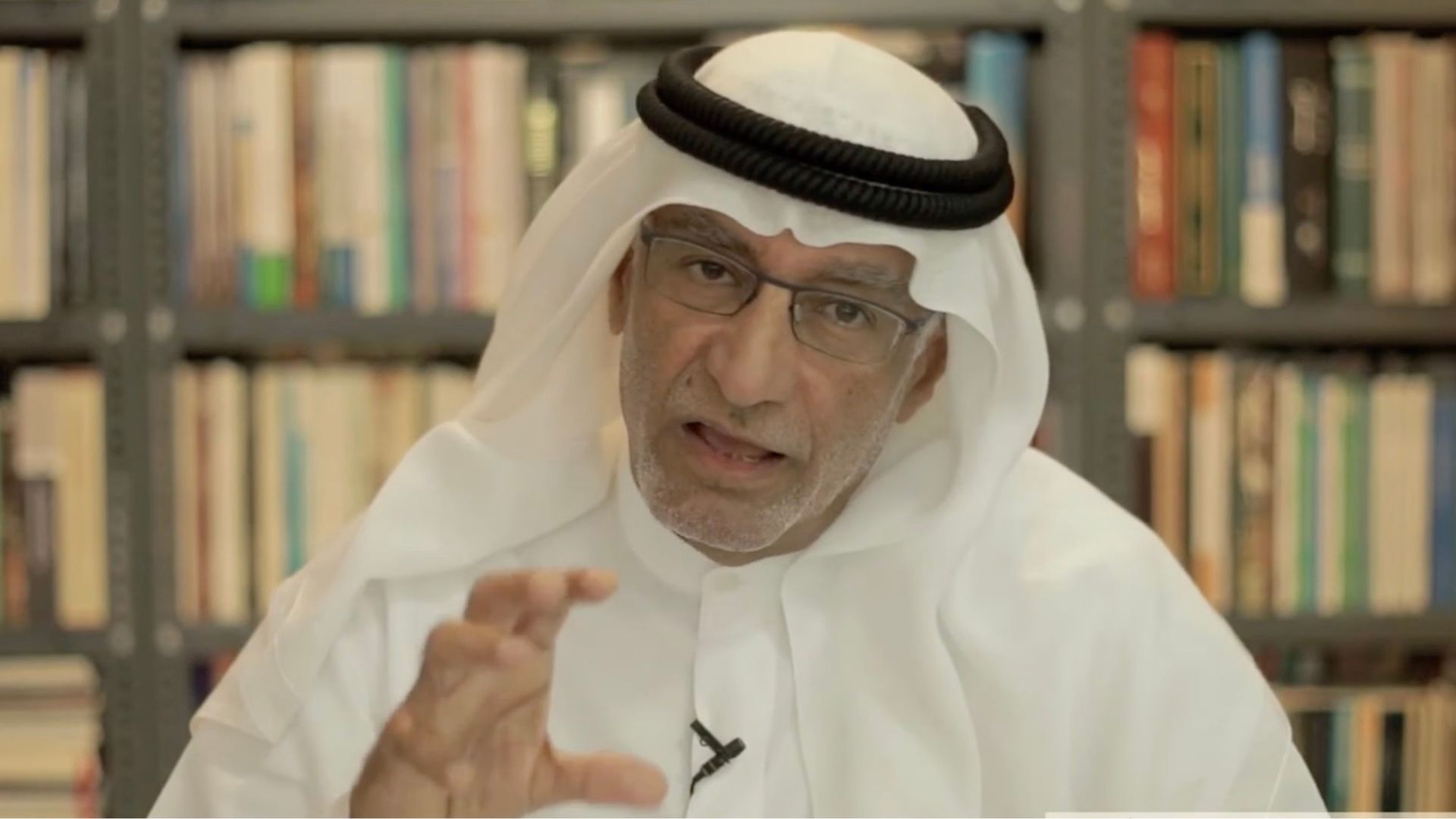
UAE Professor Urges Consideration of Closing American Bases, Calling Them a Burden After Iran Developments
You have seen plenty of shifts in Middle East alliances over the years, but this one stands out for its directness. A respected political science professor in the United Arab Emirates has publicly questioned the value of hosting American military bases on Emirati soil. His comments come in the wake of sustained Iranian missile and drone attacks that began in late February 2026. The professor argues the UAE has shown it can handle its own defense, and the bases no longer serve the same purpose they once did.
A Leading Emirati Scholar Raises Questions About Foreign Military Presence
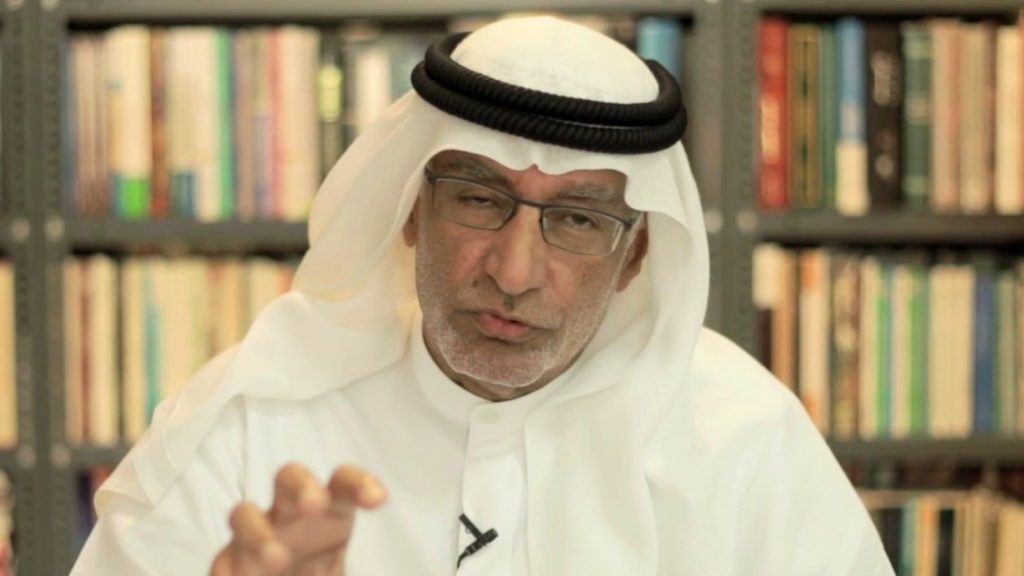
Dr Abdulkhaleq Abdulla teaches political science at UAE University and once advised the Crown Prince of Abu Dhabi. He shared his views in remarks to Reuters and on social media. He pointed out that the country proved its defensive strength during the recent Iranian strikes. The professor suggested the time has arrived to weigh whether those American facilities still make sense.
You can see why his words matter. Abdulla does not speak as an outsider. His background gives him insight into Emirati decision making at the highest levels. He made clear the UAE wants continued access to top American weapons systems. At the same time he called the physical bases themselves a burden rather than an advantage.
Recent Conflicts With Iran Change the Security Landscape
Iran launched waves of ballistic missiles, drones, and cruise missiles toward the UAE starting February 28 2026. The attacks followed American and Israeli strikes on Iranian targets. Emirati air defenses intercepted hundreds of incoming threats using systems supplied by the United States. Still some strikes caused damage and led to civilian and military casualties.
The fighting has lasted weeks and forced every Gulf state to reassess its exposure. You notice how quickly the conversation moved from routine alliance talk to practical questions about risk. Hosting foreign bases suddenly looks different when those sites become part of the target list in a larger conflict.
Demonstrating Self-Reliance During Missile and Drone Barrages
UAE forces operated their own air defense networks throughout the exchanges. They handled intercepts without direct combat involvement from American troops stationed nearby. Officials reported successful engagements against hundreds of projectiles by early April. The performance showed the country has built real capacity on its own.
You see the significance when you compare it to earlier decades. The UAE once relied more heavily on external partners for protection. Recent events suggest that balance has moved. The professor highlighted this record as evidence that local forces can manage threats effectively.
The Preference for Advanced Arms Over Stationed Forces
Abdulla stated the UAE still seeks the newest and most capable weapons available from American suppliers. He drew a clear line between buying equipment and hosting permanent bases. The first option strengthens defense without the second option tying the country to every regional flare up.
This distinction matters in practice. Advanced systems give the UAE tools it needs. Stationed foreign troops on the other hand can pull the host nation into disputes it might otherwise avoid. The professor believes the country has reached the point where one makes more sense than the other.
Concerns That Bases Could Draw Unwanted Involvement
American facilities in the UAE have come under discussion because they sit inside the strike zone. Reports noted damage to several sites from Iranian retaliation. Abdulla warned that their presence could drag the UAE into conflicts where it holds no direct stake.
You can understand the logic. A base located on your territory automatically links your security to the policies of the foreign power using it. When tensions rise those links turn into liabilities. The professor framed the issue as a matter of protecting Emirati independence rather than rejecting partnership outright.
Evolving Views on Long-Term Alliances in the Gulf
The professor’s comments reflect wider thinking across Gulf capitals after weeks of attacks. Countries that once viewed American bases as insurance now weigh the costs more carefully. The UAE case illustrates a pattern where self confidence grows alongside military experience.
You watch these conversations unfold in real time. They do not signal an end to cooperation. They do suggest a recalibration. Leaders appear focused on keeping strong defense ties while reducing elements that increase vulnerability in an unstable neighborhood.
What This Suggests for Future Defense Purchases
Abdulla emphasized acquiring the best available American technology moving forward. That approach keeps the UAE current with cutting edge systems without the overhead of hosting large foreign contingents. It points toward a transactional model focused on equipment rather than real estate.
This direction fits the country’s pattern of investing heavily in its own forces. You see a consistent theme of building local strength while maintaining access to external suppliers. The professor positioned the idea as practical rather than dramatic.
Broader Discussions Across the Region on Security Options
Other Gulf voices have echoed similar questions about the role of foreign bases during the current crisis. The debate remains measured but persistent. It centers on whether long established arrangements still fit today’s threats and capabilities.
You notice how quickly the conversation spread after Abdulla’s statements. It taps into experiences shared by several states facing the same Iranian pressure. The outcome of these talks could shape how security partnerships look in the years ahead.

Asher was raised in the woods and on the water, and it shows. He’s logged more hours behind a rifle and under a heavy pack than most men twice his age.