Ukraine faces loss of half its heavy ammunition supply after Czech-backed coalition fractures
Ukraine is bracing for a sharp drop in artillery firepower after a Czech-led international effort to buy ammunition for Kyiv splintered, threatening roughly half of the heavy shells it had expected from the scheme. The fracture underscores how dependent Ukraine’s frontline operations have become on a patchwork of ad hoc coalitions, and how fragile that lifeline is when donor politics shift.
The setback comes as Ukrainian commanders already report rationing shells along key sectors of the front and as Russia tries to exploit any lull in Ukrainian fire to advance on the ground.
What happened
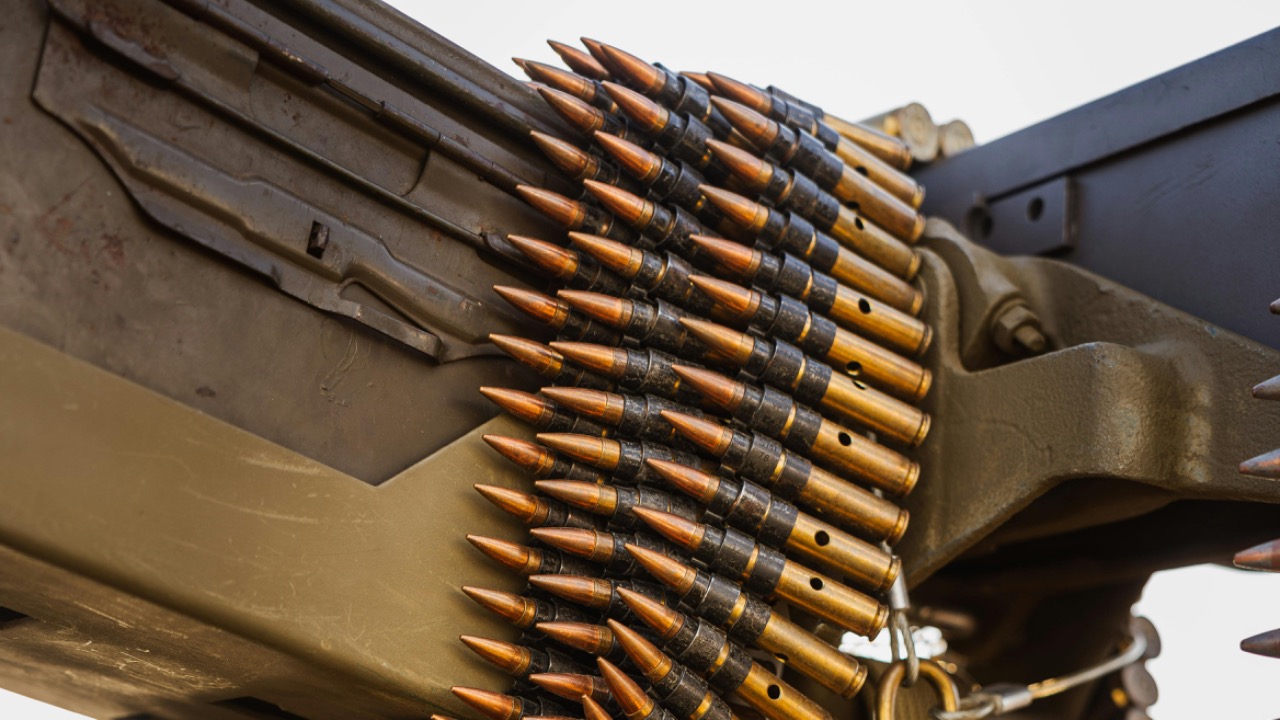
The Czech government built its ammunition initiative around a simple idea: pool money from willing partners, scour global stockpiles for Soviet-caliber and NATO-standard shells, and move them to Ukraine faster than traditional European Union procurement channels could manage. The program focused on high-demand rounds, especially 155 mm and 152 mm artillery shells, which Ukrainian forces burn through by the thousands in intense fighting.
According to reporting on the coalition’s internal figures, Ukraine had come to count on this mechanism for roughly half of its expected heavy artillery ammunition over the coming months. Officials involved in the effort described the Czech-led pool as a bridge that would keep Ukrainian guns firing while longer-term European production lines ramped up output.
That bridge is now at risk. A group of participating states has withdrawn from the arrangement or frozen their contributions, effectively shrinking the buying pool and cutting the volume of shells the program can secure. One analysis described the loss as equivalent to about 50 percent of the heavy ammunition Kyiv had been counting on from the Czech track, a shortfall that Ukrainian and allied officials privately acknowledge will be difficult to plug quickly. The fracture reflects both political hesitation in some capitals and concerns over budget strain as the war grinds on.
Publicly, Czech officials have tried to keep the remaining partners aligned and have stressed that contracts already signed will be honored. Yet the gap between what was originally promised and what is now realistically deliverable has widened. That shortfall is what has Ukrainian planners recalculating how many shells they can fire per day without exhausting stocks before new deliveries arrive.
Some of the donors that stepped back had been among the more ambitious funders of the early phases of the scheme. Their exit not only cuts available money, it also complicates logistics and bargaining power. A smaller coalition has less leverage when negotiating bulk purchases from third-country suppliers that still hold Soviet-standard ammunition, and it faces tougher competition from other buyers, including Russia.
Reporting on the split highlights that the Czech initiative had attracted more than a dozen backers at its peak. Around half of those donors have now effectively left or paused participation, which is why Ukrainian officials are warning that their forces could lose around half of the heavy ammunition they expected from this channel. One detailed account of the pullout described how several European governments, under domestic pressure over defense budgets, quietly stepped away from the program rather than expand their commitments.
Why it matters
Artillery remains the backbone of Ukraine’s defense. Ukrainian units rely on heavy guns to blunt Russian assaults, suppress enemy batteries, and support counterattacks. When shell stocks tighten, commanders must choose between defending one sector and reinforcing another. A loss of about half the heavy ammunition expected from the Czech program therefore translates directly into stricter rationing on the battlefield.
Military planners in Kyiv have already acknowledged that Russian forces have been able to fire more shells per day along some parts of the front. Analysts who track the war’s artillery balance say that, even before the Czech coalition fractured, Russian batteries often enjoyed a several-to-one advantage in shell expenditure. The drop in anticipated deliveries from Prague’s initiative risks widening that gap at a time when Russia is trying to press offensives in eastern Ukraine and probe for weak spots elsewhere.
One assessment warned that Ukraine could lose roughly half the heavy ammunition it had counted on from the Czech-led scheme, a shift that would force painful trade-offs in how Ukrainian units use their guns and rocket artillery. That report, which described the program as a vital supplement to Western bilateral aid, framed the fracture as a serious blow to Kyiv’s short-term firepower on the front line, especially in contested areas where artillery duels are constant.
The fracture also exposes the vulnerability of coalition-of-the-willing models. The Czech initiative was celebrated for cutting through bureaucracy, but it depended on a voluntary club of donors with no binding treaty obligations. When domestic politics changed in some capitals, so did their willingness to keep writing checks. One detailed breakdown of the program’s troubles noted that around half of the original donors have now quit the scheme, leaving the remaining members to shoulder a larger share of the cost if they want to sustain previous delivery targets. That same analysis emphasized that governments that left the program did so quietly, often without public debate, which made the eventual scale of the shortfall a surprise for some observers.
For Ukraine, the timing is particularly sensitive. European Union plans to boost 155 mm shell production are advancing, but factories still need time to reach the volumes promised by Brussels and national governments. The Czech-led pool was supposed to bridge that production gap by tapping existing stockpiles abroad. With the pool now smaller, Ukraine faces a period in which the ramp-up in European manufacturing has not yet fully materialized while one of the main emergency channels is underperforming.
The political signal is almost as troubling as the material impact. Kyiv has long warned that Moscow is betting on “Ukraine fatigue” among Western publics and politicians. A visible reduction in donor participation in a high-profile ammunition program risks feeding that narrative. Russian officials are likely to portray the fracture as evidence that Ukraine’s backers are wavering, even if other aid streams continue.
There are also implications for how future support mechanisms are designed. The Czech scheme showed that creative, fast-moving procurement can deliver results, but it also highlighted the need for more predictable, treaty-based commitments if Ukraine is to plan its defense over years rather than months. Some European policymakers are already arguing that ad hoc coalitions should be folded into formal European Union or NATO frameworks with multi-year funding lines, to avoid sudden drop-offs when individual governments change course.
What to watch next
The immediate question is whether the remaining donors in the Czech-led coalition will increase their contributions to offset the withdrawals. If states that stay in the program agree to larger shares of the funding, the volume of ammunition might partially recover, although likely not to the original levels. Observers will watch closely for public announcements from Prague and partner capitals about fresh pledges or expanded orders.
Another key variable is how quickly European and North American production of artillery shells can scale up. Defense ministries have signed multi-year contracts with manufacturers to expand capacity, but new lines take time to build and staff. If those factories reach higher output sooner than expected, they could compensate for some of the shortfall from the Czech initiative and give Ukraine more predictable supply through standard bilateral aid channels rather than emergency pools.
Ukraine is also likely to adjust its battlefield tactics in response to the shell crunch. Commanders may lean more heavily on precision-guided munitions and drones in roles previously filled by massed artillery fire, in order to stretch limited stocks of heavy shells. They may also prioritize sectors where artillery delivers the greatest operational payoff, while accepting higher risk in quieter areas. Any visible change in the tempo of Ukrainian artillery fire along the front will be an indicator of how severe the supply squeeze has become.

Leo’s been tracking game and tuning gear since he could stand upright. He’s sharp, driven, and knows how to keep things running when conditions turn.